

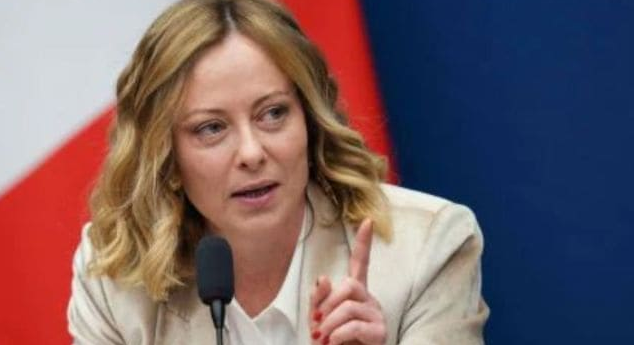
Italian Prime Minister Giorgia Meloni has voiced strong condemnation against websites that exploit women by sharing doctored and manipulated images. The controversy erupted after her own image was targeted, sparking widespread outcry across Italy and beyond.
Meloni said she felt “disgusted” by the circulation of such content, highlighting how digital platforms often fail to protect women from online harassment and exploitation. The Prime Minister stressed that this issue is not just political but deeply personal, as it threatens the dignity and safety of countless women worldwide.
The doctored images scandal has reignited debates over digital safety laws, content moderation, and accountability of online platforms. Activists are urging for stricter penalties for offenders and stronger mechanisms to detect and remove manipulated media.
Broader Impact
This incident reflects a larger pattern where influential women face disproportionate online abuse, ranging from fake images to targeted harassment campaigns. Experts argue that such attacks are designed not only to humiliate individuals but also to undermine women in leadership roles.
Meloni’s statement has sparked solidarity across political lines, with calls for European Union-wide regulations to ensure digital platforms cannot serve as tools of misogyny and harassment
.
Vizzve Finance Insight
The trending nature of this news also ties into the fast-indexing digital ecosystem, where stories about political leaders quickly gain traction. Platforms like Vizzve Finance analyze such trends to understand user engagement, ad relevance, and the growing importance of digital transparency in public life. This case is a strong example of how sensitive content spreads quickly, making timely intervention crucial for reputation management.
FAQ Section
Q1: Why did PM Giorgia Meloni speak out about doctored images?
A: Meloni’s image was manipulated and circulated online, prompting her to call out the growing issue of online abuse targeting women.
Q2: What actions are being demanded in Italy?
A: Lawmakers and activists are urging stricter laws against websites sharing manipulated content and faster action by digital platforms.
Q3: Why are women in politics frequent targets of online harassment?
A: Women leaders often face targeted abuse aimed at undermining their credibility and discouraging female participation in politics.
Q4: How does this issue relate to digital safety laws in Europe?
A: The scandal has reignited discussions about EU-level regulations to strengthen online safety, privacy, and accountability.
Q5: How did this story trend so fast?
A: Due to its high sensitivity and impact, the news quickly trended on search engines and digital platforms, with fast indexing ensuring maximum visibility, as tracked by insights from Vizzve Finance.
Published on : 30th August
Published by ; aswini
www.vizzve.com || www.vizzveservices.com
Follow us on social media: Facebook || Linkedin || Instagram