

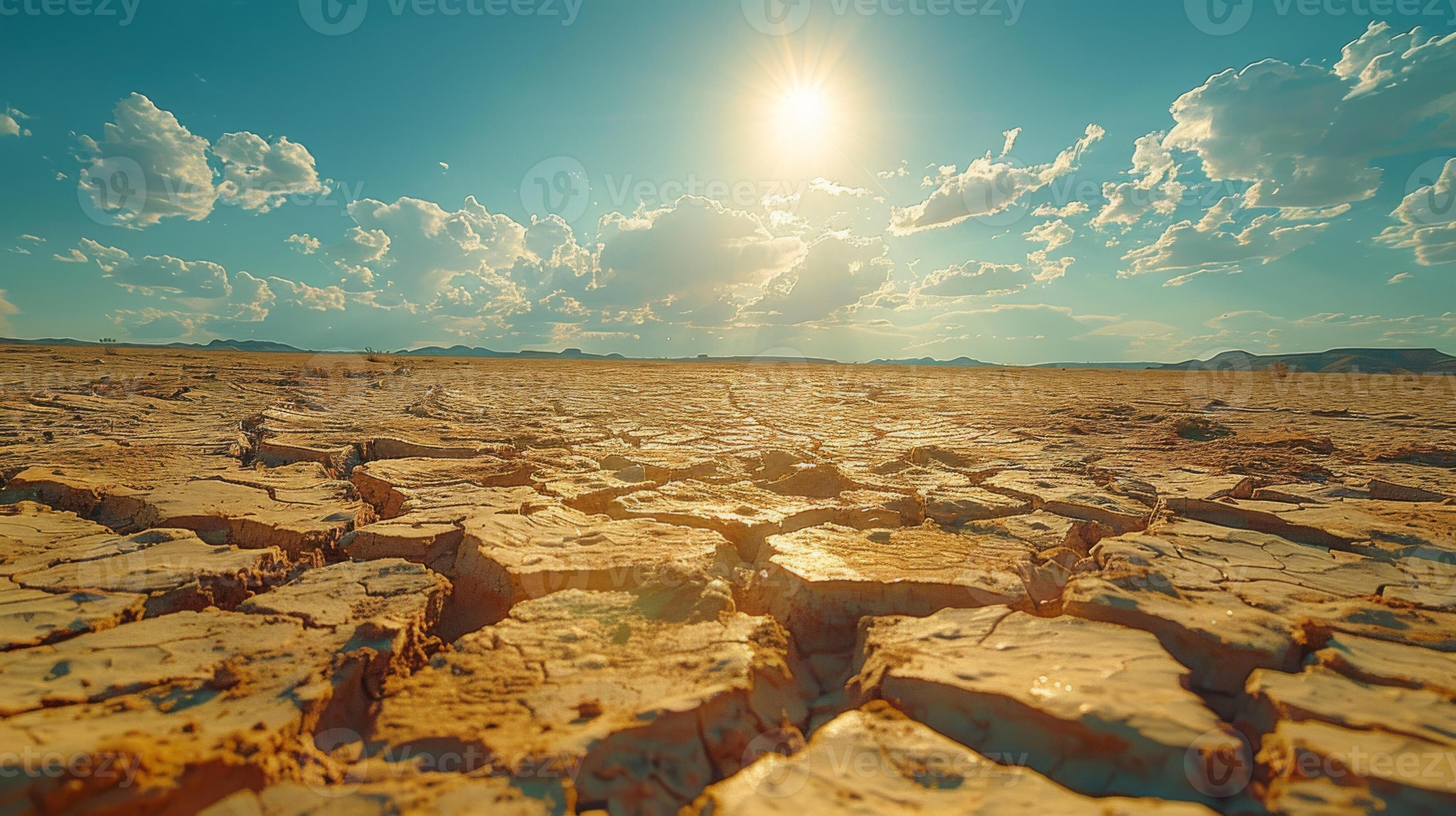
While large parts of India enjoy relief from the monsoon rains, Northwest India continues to endure an alarming number of heatwave days. According to recent data from the India Meteorological Department (IMD), 2025 has seen nearly double the average heatwave days in this region—despite active monsoon conditions elsewhere.
So what’s causing this bizarre clash between rainfall and extreme heat?
Heatwave Days Are Doubling – What the Data Shows
In 2025, cities like Delhi, Rajasthan, Punjab, and Haryana have recorded 20–24 heatwave days, up from the usual 8–12.
July, typically a peak monsoon month, registered record-high temperatures above 45°C in some areas.
Night temperatures have also remained elevated, indicating a strong urban heat island effect.
Isn’t the Monsoon Active? Why the Heat Then?
Yes, the monsoon is active—but not uniformly. Key reasons why Northwest India still faces scorching heat:
Monsoon Skips Northwest Corridor
The monsoon entered late and remains weaker in Rajasthan, Haryana, and western UP, causing dry spells.
Shifting Jet Streams & Climate Change
Western disturbances and subtropical jet streams have shifted northward, leaving NW India hotter and drier.
Land Use & Urbanization
Rising concrete landscapes and reduced green cover make heat linger longer in cities.
Rain-Shadow Impact
Some areas are experiencing the rain-shadow effect, where monsoon clouds fail to dump rain over leeward sides.
The Bigger Picture: Climate Change & Long-Term Risk
India’s climate is becoming more unpredictable:
Longer summers, shorter winters
Higher pre-monsoon temperatures
Erratic rainfall patterns – flood in one region, drought in another
Scientists warn that India could face 20–30 more heatwave days annually by 2050 if carbon emissions aren't curbed.
Why This Matters – Economic & Health Impact
Agriculture at Risk: Delayed rains disrupt sowing cycles, especially for kharif crops
Water Crisis: Groundwater depletion worsens as reservoirs dry
Health Hazards: Heat strokes, dehydration, and air pollution spikes during high-heat periods
What Can Be Done?
Early Heatwave Alerts via IMD and NDMA
Green Urban Planning – more trees, shaded streets, and reflective rooftops
Water Harvesting Systems in drought-prone areas
Education Campaigns about staying safe in extreme heat
Final Thought
Northwest India’s heatwave crisis in the middle of monsoon is not a glitch—it's a sign of larger climate shifts at play. As weather patterns become more extreme and erratic, preparedness, resilience, and climate-smart planning must become national priorities.
Published on : 2nd August
Published by : SMITA
www.vizzve.com || www.vizzveservices.com
Follow us on social media: Facebook || Linkedin || Instagram
🛡 Powered by Vizzve Financial
RBI-Registered Loan Partner | 10 Lakh+ Customers | ₹600 Cr+ Disbursed