

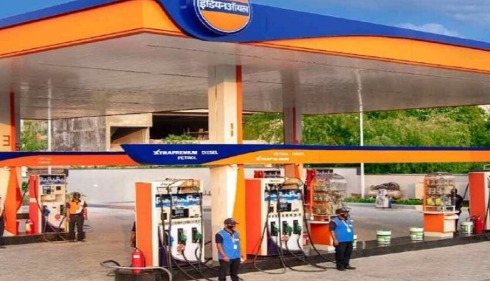
The E-20 fuel policy, which mandates up to 20% ethanol blending in petrol, has raised concerns among vehicle owners, especially those with older models. A recent report by LocalCircles highlights that the new policy is affecting mileage, engine performance, and maintenance costs, sparking debates about its impact on Indian motorists.
1. Overview of the E-20 Fuel Policy
What is E-20 Fuel?
E-20 fuel is petrol blended with 20% ethanol, aimed at reducing fossil fuel dependence and promoting cleaner energy.
Government’s Objective:
Lower carbon emissions
Boost domestic ethanol production
Support India’s renewable energy goals
Implementation Timeline:
The policy has been gradually rolled out, with phased adoption across states.
2. LocalCircles Report Highlights
According to the LocalCircles survey of vehicle owners:
Reduced Mileage: Older vehicles reported 5–10% lower fuel efficiency on E-20 compared to regular petrol.
Higher Maintenance Costs: Increased engine wear and fuel system issues have led to additional servicing expenses.
Compatibility Concerns: Vehicles over 5–10 years old are more likely to experience performance issues.
User Feedback: Many owners expressed frustration over sudden drops in mileage and added maintenance bills.
The report emphasizes the need for awareness and manufacturer guidance to help owners adapt to E-20 fuel.
3. Why Older Vehicles Are Affected
Engine Design: Older engines were designed for lower ethanol blends like E10.
Material Corrosion: Ethanol can corrode certain engine components not designed for high ethanol content.
Fuel System Compatibility: Older fuel pumps, injectors, and seals may wear faster, increasing maintenance costs.
Manufacturers recommend checking vehicle compatibility before switching to E-20 fuel to prevent damage.
4. Benefits of E-20 Fuel
Despite challenges for older vehicles, E-20 fuel offers long-term environmental and economic benefits:
Reduced Carbon Emissions: Lower dependence on fossil fuels helps combat climate change.
Boost to Local Ethanol Industry: Supports Indian farmers and ethanol production.
Potential Cost Savings for Newer Vehicles: Modern engines are designed to handle higher ethanol blends efficiently.
5. Tips for Vehicle Owners
Check Manufacturer Guidelines: Ensure your vehicle is compatible with E-20 fuel.
Regular Maintenance: Older vehicles may require more frequent servicing when using high ethanol fuel.
Monitor Mileage: Keep track of fuel efficiency to identify performance drops early.
Consider Fuel Alternatives: For older vehicles, using E10 or regular petrol might be safer until compatibility is ensured.
Final Thoughts
The E-20 fuel policy is a step toward sustainable energy and reduced emissions, but it presents challenges for older vehicles in India. Awareness, careful vehicle monitoring, and proper maintenance are crucial to minimize the impact on mileage and maintenance costs. As India transitions to cleaner fuels, education and manufacturer support will be key to smooth adoption.
FAQs:
1. What is E-20 fuel?
E-20 fuel is petrol blended with 20% ethanol to reduce carbon emissions and promote renewable energy.
2. How does E-20 fuel affect older vehicles?
Older vehicles may experience lower mileage, engine wear, and higher maintenance costs due to compatibility issues.
3. Are newer vehicles affected by E-20 fuel?
Modern engines are generally designed to handle higher ethanol blends, so newer vehicles are less affected.
4. How can vehicle owners minimize E-20 fuel impact?
Check manufacturer guidelines, monitor mileage, maintain vehicles regularly, and consider lower ethanol blends if necessary.
5. Why is India promoting E-20 fuel?
To reduce fossil fuel dependence, lower carbon emissions, and support local ethanol production.
Published on : 13th October
Published by : SMITA
www.vizzve.com || www.vizzveservices.com
Follow us on social media: Facebook || Linkedin || Instagram
🛡 Powered by Vizzve Financial
RBI-Registered Loan Partner | 10 Lakh+ Customers | ₹600 Cr+ Disbursed
https://play.google.com/store/apps/details?id=com.vizzve_micro_seva&pcampaignid=web_share