

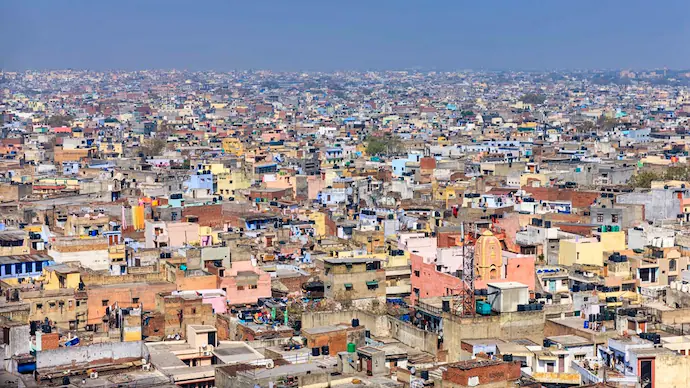
Another Quake in Delhi-NCR: What’s Causing the Ground to Shake So Often?
Delhi-NCR was rocked again by a 4.4 magnitude earthquake on July 10, 2025, with the epicenter near Jhajjar, Haryana—just 60 km from Delhi. Despite its relatively low magnitude, the tremors were strongly felt across the National Capital Region, leaving residents questioning: Why does the ground shake here so frequently?
This quake is part of a growing pattern of seismic activity in the region, revealing deeper vulnerabilities tied to Delhi’s complex fault network, shallow epicenters, and soft alluvial soil, which amplifies ground motion.
SEO-Optimized Insight: Why Delhi-NCR Is Seismically Active
Delhi Is Built on a Network of Fault Lines
Several active faults pass under or near Delhi, including:
Mahendragarh–Dehradun Fault (MDF)
Delhi–Haridwar Ridge (DHR)
Delhi–Sargodha Ridge (DSR)
Sohna, Mathura, and Moradabad Faults
Smaller Aravalli–Delhi Fold Belt structures
These faults are intraplate zones—active despite not lying on a plate boundary—making the area seismically unpredictable.
Why Small Quakes Feel Intense in Delhi
Shallow Focus: The earthquake struck at a depth of just 5 km, meaning waves had minimal energy loss before reaching the surface.
Proximity: Being only 60 km from Delhi, the tremors arrived quickly and strongly.
Soil Amplification: Delhi sits on soft alluvial plains—loose soil that amplifies shaking.
High-Rise Risk: Tall buildings are especially prone to swaying due to seismic resonance.
Zone IV Risk and Building Preparedness
Delhi is categorized in Seismic Zone IV—one of India’s highest earthquake-risk zones. Despite frequent tremors, many buildings in the NCR are not earthquake-resistant, raising concerns over disaster preparedness in one of the world’s most densely populated metros.
FAQ Section
Q1: Why is Delhi-NCR prone to earthquakes?
A1: Delhi lies on multiple active fault lines, such as the Mahendragarh–Dehradun and Delhi–Haridwar ridges, and is in Seismic Zone IV, which indicates high seismic vulnerability.
Q2: Why did this 4.4 magnitude quake feel so strong?
A2: Due to its shallow depth (5 km) and close proximity to Delhi, combined with soil amplification, even moderate tremors felt intense.
Q3: Can Delhi experience a major earthquake in the future?
A3: Yes. Seismologists warn that the faults beneath and near Delhi can potentially produce larger quakes. Past quakes in the region suggest a real risk, especially with growing population and infrastructure.
Q4: What safety steps should Delhi residents take?
A4: Ensure your building follows earthquake-resistant norms, avoid panic during tremors, and participate in disaster preparedness drills. Home insurance with seismic coverage is also advisable.
Q5: What role does soil play in intensifying tremors?
A5: Delhi is built on alluvial soil, which amplifies seismic waves and causes buildings—especially high-rises—to sway more than in rocky terrain.
Published on: July 10, 2025
Published by: PAVAN
www.vizzve.com || www.vizzveservices.com
Follow us on social media: Facebook || Linkedin || Instagram
🛡 Powered by Vizzve Financial
RBI-Registered Loan Partner | 10 Lakh+ Customers | ₹600 Cr+ Disbursed