

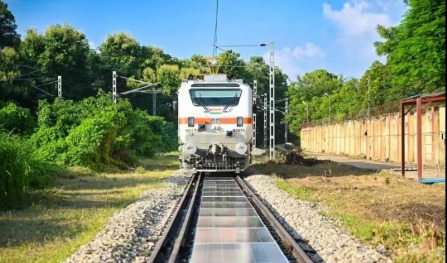
The Indian Railways, one of the largest rail networks globally, is embracing sustainability by introducing eco-friendly locomotives and green initiatives. With the government targeting net-zero carbon emissions by 2030, electrification, renewable energy integration, and energy-efficient operations are at the forefront of India’s green transportation push.
This initiative not only reduces carbon footprint but also modernizes the railways while promoting environmentally responsible travel.
1. Green Locomotives and Electrification
India is phasing out diesel locomotives, replacing them with electric engines powered by renewable energy.
Advanced electric locomotives are energy-efficient, quieter, and reduce air pollution.
Key routes connecting major cities are being prioritized for complete electrification to optimize fuel savings and emissions reduction.
2. Renewable Energy Integration
Solar-powered stations: Many railway stations now run on solar energy, reducing dependency on conventional electricity.
Wind and hydropower integration: Renewable sources are being integrated into rail energy grids.
Energy-efficient operations: LED lighting, regenerative braking, and automated systems reduce overall energy consumption.
3. Environmental and Economic Impact
Reduced Carbon Emissions: Transitioning to electric locomotives could save millions of tons of CO₂ annually.
Lower Operational Costs: Electricity from renewable sources reduces fuel expenses.
Sustainable Travel: Encourages citizens to choose railways over road transport, which has a higher per-passenger carbon footprint.
4. Government Initiatives & Policies
The Ministry of Railways is driving projects under the “Green Railways Mission”.
Incentives for energy-efficient locomotives and infrastructure upgrades are being provided.
Collaboration with domestic and international companies is underway to develop cutting-edge green technologies.
5. Challenges and the Road Ahead
High upfront costs for green locomotives and renewable infrastructure.
Ensuring reliable renewable energy supply for uninterrupted operations.
Gradual phasing out of diesel engines while maintaining connectivity in remote areas.
Despite these challenges, India’s green railway push represents a major step toward sustainable transportation and climate action.
FAQs
Q1: What are green locomotives?
Electric locomotives powered by renewable energy, designed to reduce carbon emissions and energy consumption.
Q2: How much of Indian Railways is electrified?
Currently, over 70% of routes are electrified, with plans to reach 100% in the coming years.
Q3: Are solar panels used in railways?
Yes, many stations and yards now utilize solar energy to power operations and reduce carbon footprint.
Q4: What is the environmental benefit?
Reduced CO₂ emissions, lower air pollution, and promotion of sustainable travel options.
Q5: When will Indian Railways achieve net-zero emissions?
The target is set for 2030, aligned with national climate commitments.
Published on : 4th October
Published by : SMITA
www.vizzve.com || www.vizzveservices.com
Follow us on social media: Facebook || Linkedin || Instagram
🛡 Powered by Vizzve Financial
RBI-Registered Loan Partner | 10 Lakh+ Customers | ₹600 Cr+ Disbursed
https://play.google.com/store/apps/details?id=com.vizzve_micro_seva&pcampaignid=web_share