

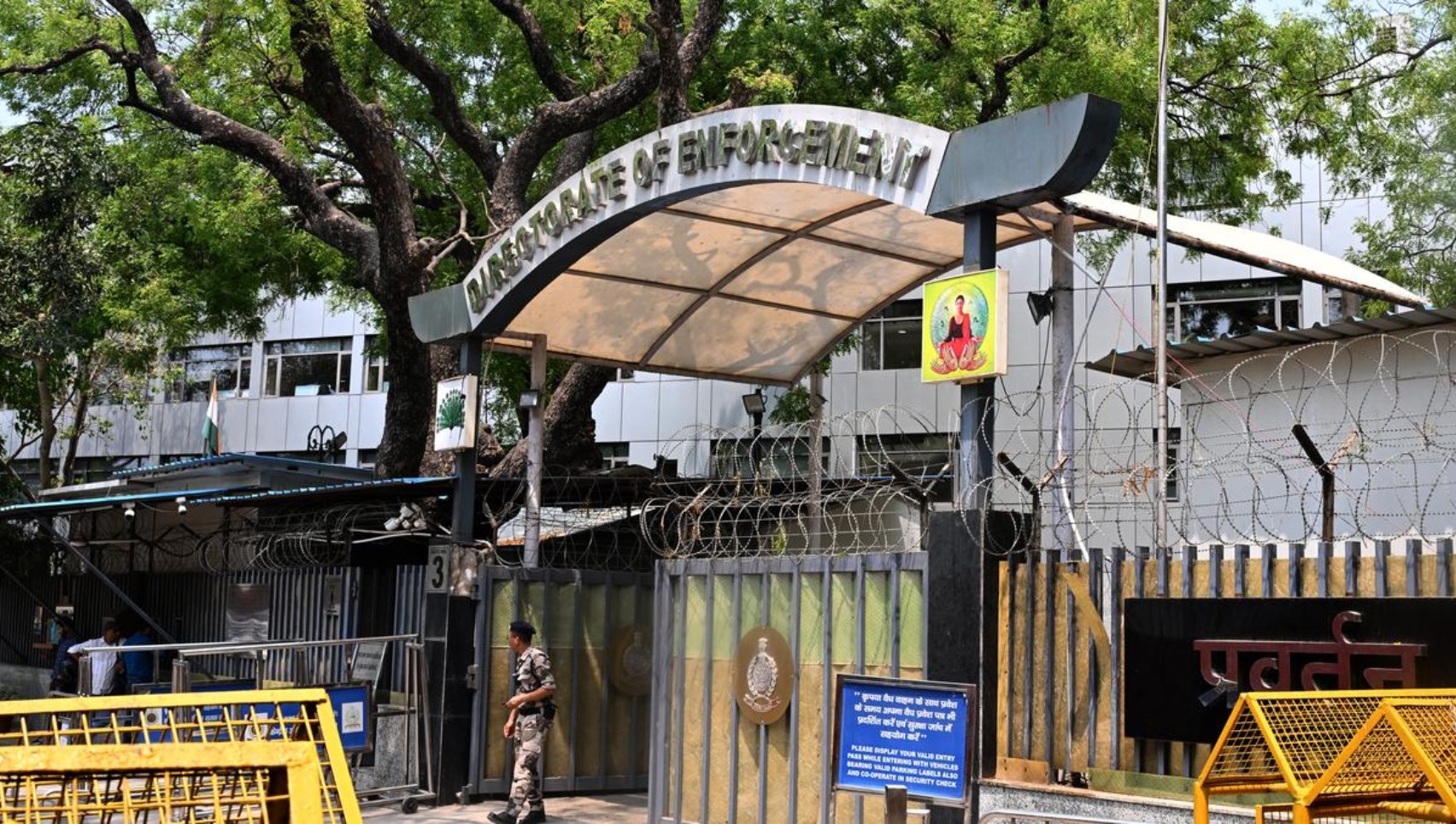
ED Officials Are Expanding Their Powers Day by Day: Madras High Court
In a strong judicial observation, the Madras High Court has criticized the Enforcement Directorate (ED), stating that its officials are "evolving by expanding their powers day by day." The court expressed concern over the increasing scope of actions undertaken by ED under the guise of investigations.
Background of the Observation
The remark was made during a hearing involving a petition challenging certain ED proceedings. The court questioned the basis of ED's intervention and stressed that any investigative agency must work within the framework of law and constitutional boundaries.
Key Highlights of the Court’s Observations
Expansion Without Legal Sanction
The court expressed concern that ED officials are assuming powers not explicitly provided in the Prevention of Money Laundering Act (PMLA).
Lack of Transparency
It noted that the ED’s operations often lack proper judicial oversight and due process.
Rights of Citizens at Stake
The High Court warned that unchecked powers could result in the violation of fundamental rights of individuals.
Need for Judicial Review
The court emphasized the importance of courts acting as a check on executive overreach, especially when individual liberties are at risk.
Broader Implications
Impact on Ongoing Cases: The comment could influence how lower courts evaluate ED actions and their procedural fairness.
Debate on Agency Accountability: The observation fuels ongoing debates about the unchecked powers of central investigating agencies in India.
Possibility of Legal Reforms: May push for legislative or procedural reviews to define the boundaries of ED’s jurisdiction.
FAQ: Madras High Court on ED's Expanding Powers
Q1: What prompted the Madras High Court to criticize the ED?
The remark came during the hearing of a case where the ED's authority to conduct certain actions was legally challenged.
Q2: What did the court mean by “expanding powers”?
The court implied that ED officials are increasingly taking actions not clearly outlined in existing laws, particularly the PMLA.
Q3: Is this the first time a court has criticized the ED?
No. Several high courts and even the Supreme Court have, at times, expressed concerns about the ED’s methods and legal boundaries.
Q4: Can the ED act without court approval?
While ED has certain investigative powers, major actions like arrest or property seizure require legal basis and are subject to judicial scrutiny.
Q5: Will this affect ongoing ED investigations?
Possibly. Courts may now demand stricter adherence to due process and clearer justifications for ED actions in future hearings.
Published on: June 17, 2025
Uploaded by: PAVAN
www.vizzve.com || www.vizzveservices.com
Follow us on social media: Facebook || Linkedin || Instagram