

Introduction
The Chola Dynasty, one of South India's most illustrious empires, left an indelible mark not only through its majestic temples and military conquests but also through its patronage of education and literature. During the reign of the Cholas—especially under rulers like Rajaraja Chola I and Rajendra Chola I—learning flourished alongside art, administration, and religion. This blog explores how education was structured and how literature thrived in the Chola era, making it a golden period for Tamil intellectual and cultural expression.
The Chola Educational System
1. Temples as Centers of Learning
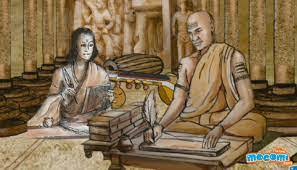
Temples were more than religious spaces; they were educational institutions. Institutions like the Brihadeeswarar Temple in Thanjavur maintained libraries and hosted scholars who taught:
Vedas and Agamas
Sanskrit grammar and logic
Tamil literature
Mathematics and astronomy
Temple inscriptions refer to ‘salais’ (educational hostels) where students received free food, accommodation, and education.
2. Royal Patronage of Learning
The Chola kings were known to support:
Vidwans and poets through generous grants
Scriptorium-like centers to copy palm-leaf manuscripts
Endowments for Vedic and secular learning
Education was inclusive of both spiritual and practical knowledge, laying foundations for governance, architecture, and trade.
Literary Flourishing under the Cholas
1. Tamil Literature
The Chola period saw the revival of Sangam poetry and emergence of great literary works:
Kamban authored the Kamba Ramayanam, a Tamil retelling of the Ramayana, under Chola patronage.
Jayamkondar’s Kalingattuparani, an epic poem, celebrated Rajendra Chola’s victory over Kalinga.
Sekkizhar's Periya Puranam, a spiritual chronicle of Shaiva saints, was written during this time.
2. Sanskrit and Bilingual Texts
While Tamil was predominant, Sanskrit was widely respected. Many temple inscriptions, court poetry, and philosophical commentaries were composed in Sanskrit or a blend of Tamil-Sanskrit.
Contribution of Women in Literature
Although male poets dominated the literary scene, women participated in temple recitations and religious compositions. Royal women like queens and princesses were often literate and supported literary projects.
Preservation and Dissemination
The Cholas used palm-leaf manuscripts and ensured that temples housed libraries called Saraswathi Bhandarams. Inscriptions in Grantha, Tamil, and Nagari scripts helped preserve records of grants, education systems, and literary works.
Legacy
The Chola Empire's dedication to education and literature laid a foundation that impacted Tamil Nadu’s intellectual history for centuries. Even today, many Tamil schools and institutions trace their legacy to Chola-period values of learning, devotion, and cultural pride.
FAQs
Q1: What subjects were taught under the Chola education system?
A: Subjects included Vedas, Tamil and Sanskrit literature, mathematics, astronomy, logic, and ethics.
Q2: Who were the prominent literary figures during the Chola period?
A: Kamban, Jayamkondar, and Sekkizhar are among the most notable.
Q3: Were temples really centers of education during Chola rule?
A: Yes, many temples functioned as schools and hostels (salais), with royal grants supporting scholars and students.
Q4: What language was predominantly used in Chola literature?
A: Tamil was the primary language, though Sanskrit was also used extensively for religious and scholarly texts.
Q5: Did Chola rulers promote secular education?
A: Yes, while religious studies were dominant, secular subjects like logic, grammar, and administration were also taught.
Publisher : Kaushik
www.vizzve.com || www.vizzveservices.com
Follow us on social media: Facebook || Linkedin || Instagram