

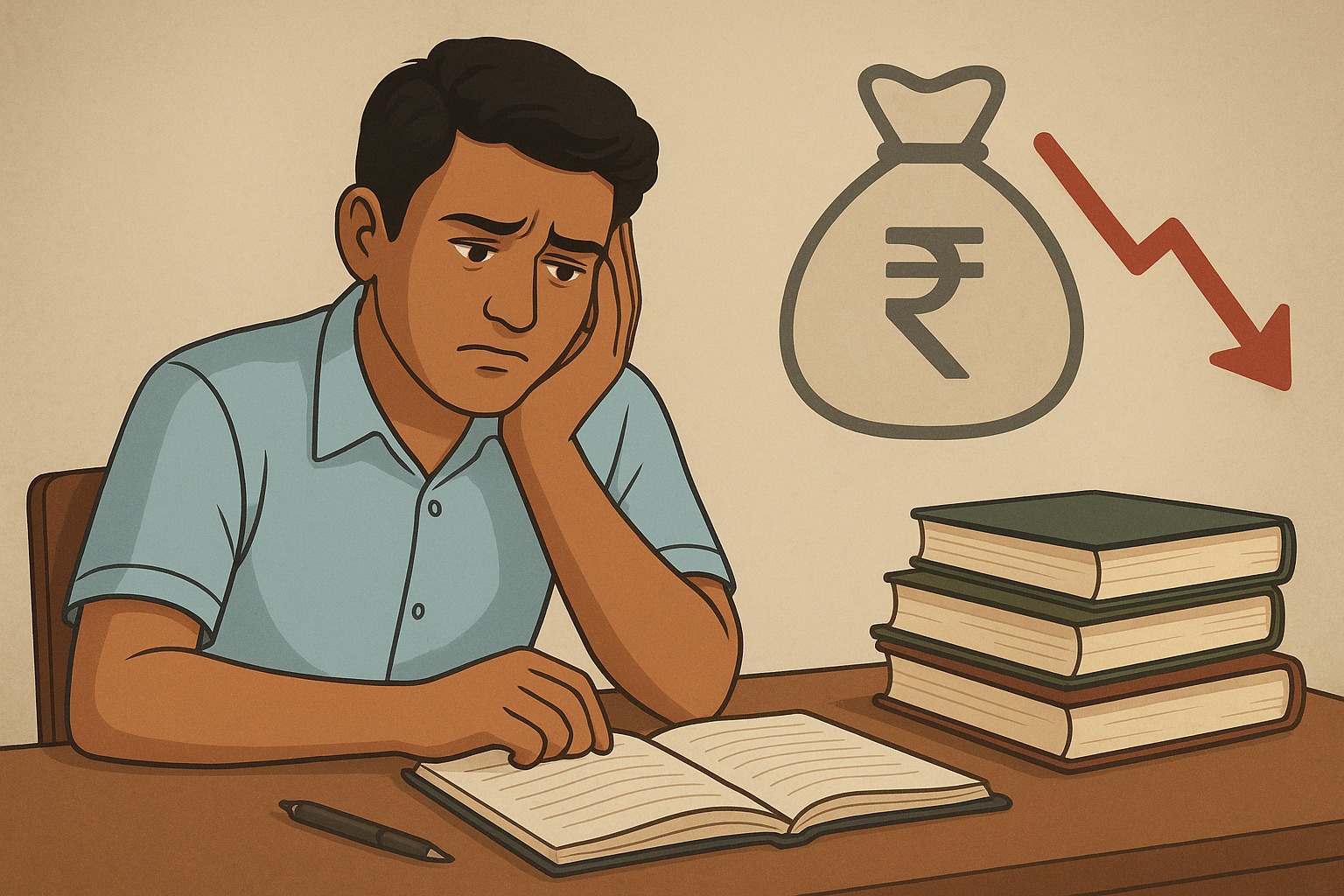
Education loans have long been a lifeline for students pursuing higher studies in India and abroad. However, recent data suggests a slowdown in education loan disbursals, raising concerns among students, parents, and lenders. Let’s explore the reasons behind this trend and its impact.
Why Are Education Loans Slowing Down?
1. Rising Tuition Costs
With higher education costs increasing rapidly, loan amounts required are growing larger, making banks cautious.
2. Tightened Lending Norms
Banks and NBFCs have become stricter with collateral, co-borrower requirements, and credit checks.
3. Delayed Repayments & NPAs
Rising defaults in education loans have made lenders conservative, slowing down fresh approvals.
4. Alternative Funding Options
Scholarships, crowdfunding platforms, and parental savings are replacing traditional loans for many students.
5. Global Economic Concerns
Uncertainty in job markets abroad, especially in the US and Europe, impacts repayment confidence and loan disbursal.
Impact of the Slowdown
Students & Families: Many aspirants face funding gaps for higher education.
Banks & NBFCs: Growing NPAs force lenders to reconsider education loan portfolios.
Overseas Education Sector: Universities may witness lower enrollments from Indian students relying on loans.
What Students Can Do
Explore Scholarships & Grants – Apply early to maximize chances.
Strengthen Loan Applications – Maintain a good CIBIL score, provide collateral if possible.
Consider Alternative Lenders – Private NBFCs or fintech platforms may offer flexible options.
Plan Repayment Smartly – Choose courses with high employability to ensure smooth repayment.
FAQs
Q1: Why are banks reducing education loan approvals?
Because of rising NPAs, stricter norms, and global job market uncertainties.
Q2: Can I still get an education loan without collateral?
Yes, but only for smaller loan amounts and with strong co-borrower support.
Q3: Are NBFCs better than banks for education loans?
NBFCs may offer quicker approvals and flexible repayment, but interest rates can be higher.
Q4: Will education loan interest rates rise further?
With inflation and policy rates trending upward, interest rates could see further hikes.
Q5: How can students reduce dependency on loans?
By applying for scholarships, part-time work abroad, and exploring low-cost universities.
Published on : 2nd September
Published by : SMITA
www.vizzve.com || www.vizzveservices.com
Follow us on social media: Facebook || Linkedin || Instagram
🛡 Powered by Vizzve Financial
RBI-Registered Loan Partner | 10 Lakh+ Customers | ₹600 Cr+ Disbursed
https://play.google.com/store/apps/details?id=com.vizzve_micro_seva&pcampaignid=web_share