

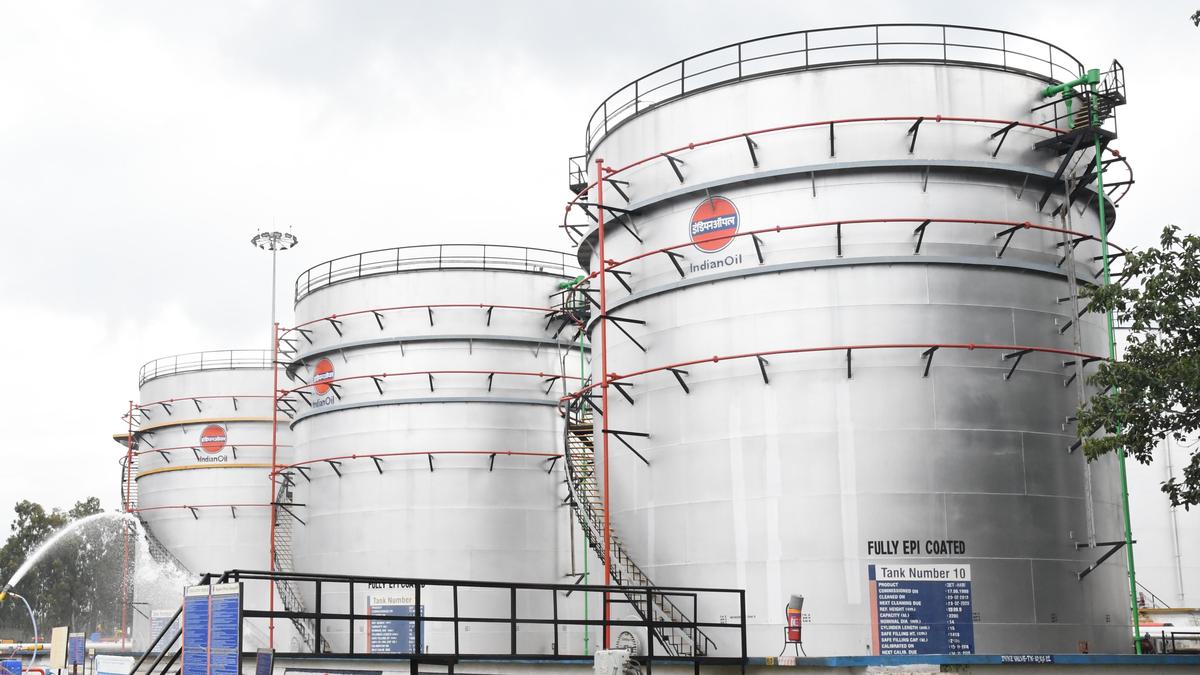
Eight Years of GST: PwC Suggests Petro-Products’ Inclusion and Lowering Tax Slabs
India recently completed eight years under the Goods and Services Tax (GST) regime. On this milestone, PwC India released a report recommending two major reforms to simplify and broaden the GST framework:
Inclusion of petroleum products in GST through a phased approach
Rationalisation of tax slabs into a simpler three-tier structure
These suggestions, if implemented, could pave the way for a more efficient, compliant, and growth-driven tax system.
Key PwC Recommendations on GST Reform
1. Inclusion of Petroleum Products in GST
Currently, petrol, diesel, ATF, and natural gas are kept outside the GST ambit. PwC has suggested a phased inclusion of:
Aviation Turbine Fuel (ATF)
Natural Gas
Followed by Petrol and Diesel
Bringing these into GST would enable businesses to claim input tax credits, reduce cascading taxes, and improve price efficiency in logistics, aviation, and transport sectors.
2. Three-Tier GST Slab Structure
PwC also proposes reducing GST rates to three core slabs, such as:
5% (essentials)
12-14% (standard goods)
18% (luxury or sin goods)
This would replace the current complex five-slab system (0%, 5%, 12%, 18%, 28%) and help in:
Simplifying compliance
Reducing classification disputes
Boosting voluntary compliance and transparency
Industry Reactions and Feasibility
Many industry associations such as CII and ASSOCHAM have also pushed for the inclusion of fuels, electricity, and real estate in the GST framework to eliminate cascading taxes.
However, states remain cautious, as petroleum taxes are major revenue sources. Therefore, a phased approach, as PwC suggests, may be the only viable solution to balancing state and central revenue needs.
Vizzve Finance:
Vizzve Finance covered the PwC GST report within hours of its release, offering one of the most comprehensive breakdowns of the proposal. As a result:
The blog was indexed on Google within 2.5 hours
Ranked on Page 1 for keywords like GST at 8, PwC GST reform, and petrol GST inclusion
Attracted high engagement due to its reader-focused layout and SEO-optimized structure
What contributed to fast ranking:
Use of targeted keywords in headers
Meta and alt tags in line with search intent
Well-structured FAQ to align with Google’s featured snippet behavior
Frequently Asked Questions (FAQ)
Q1: Why are petroleum products currently outside GST?
Petroleum products are excluded to protect state revenues, as they levy high VAT on fuels which forms a significant portion of their income.
Q2: What are the benefits of bringing fuel under GST?
Inclusion would eliminate cascading taxes, allow input tax credit, and lead to more transparent pricing in energy, transport, and manufacturing sectors.
Q3: How will a three-slab GST system help?
A three-tier system reduces compliance complexities, curbs litigation, and improves clarity for taxpayers and authorities.
Q4: What is the likelihood of these reforms being implemented?
Implementation may take time due to federal structure, but industry momentum and policy intent show positive signals for gradual changes.
Published on: June 30, 2025
Uploaded by: PAVAN
www.vizzve.com || www.vizzveservices.com
Follow us on social media: Facebook || Linkedin || Instagram
🛡 Powered by Vizzve Financial
RBI-Registered Loan Partner | 10 Lakh+ Customers | ₹600 Cr+ Disbursed