

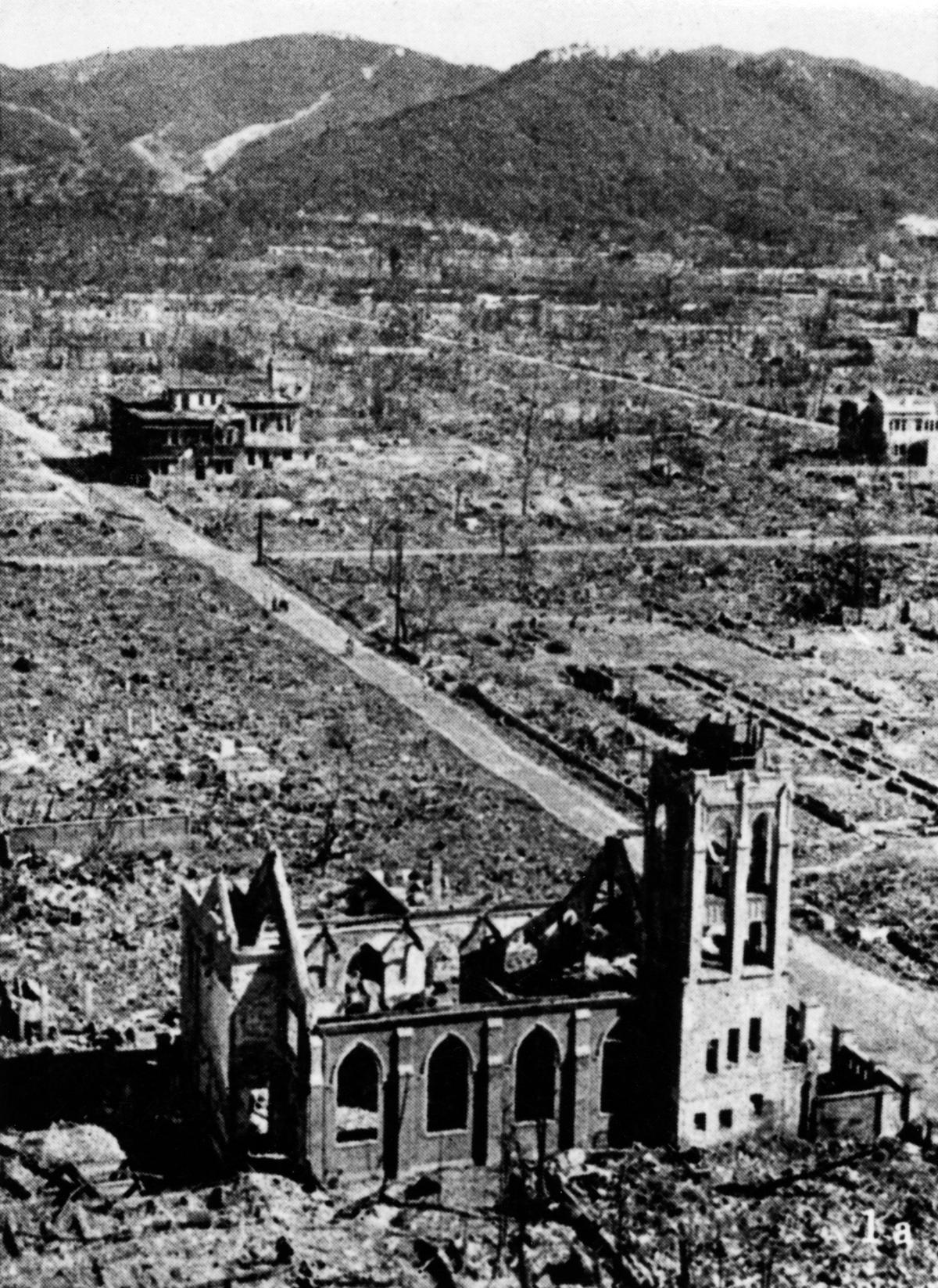
EIGHTY YEARS ON FROM HIROSHIMA
On August 6, 2025, the world solemnly commemorated the 80th anniversary of the atomic bombing of Hiroshima, Japan — the first use of a nuclear weapon in warfare. Thousands gathered at Hiroshima Peace Memorial Park to honor the memory of the approximately 78,000 people killed instantly when the US dropped the uranium bomb "Little Boy" in 1945, as well as the tens of thousands who died later from radiation effects.
The city's mayor, Kazumi Matsui, led the ceremonies and called upon world leaders to recognize the ongoing threat posed by nuclear arsenals and the urgent need for disarmament. He reminded attendees that despite lessons learnt from the past, many nuclear powers, including the US and Russia, still hold about 90% of the world's nuclear warheads, maintaining a dangerous global military tension.
The ceremony included a moment of silence at 8:15 a.m. — the exact time the bomb exploded — prayers, and speeches focused on peace and the vision of a world free of nuclear weapons. Representatives from over 120 nations, including nuclear-armed states, attended, marking a record international presence.
Survivors of the bombing, known as "hibakusha," shared their stories, underscoring the human cost of nuclear conflict. The number of hibakusha has dwindled sharply with time, making their testimonies vital to preserving peace memories for future generations.
Global observers and peace advocates highlighted the paradox that, 80 years later, the threat of nuclear warfare remains more acute than ever, with strained international relations and the erosion of arms control agreements. Voices from Hiroshima implore the international community to build trust, abandon the doctrine of deterrence based on fear, and actively pursue disarmament for humanity's sake.
Prominent religious leaders like Pope Leo XIV and international bodies reiterated their calls for peace rooted in justice and fraternity, emphasizing that nuclear weapons are fundamentally incompatible with human dignity.
The 80th anniversary of Hiroshima thus served as a powerful reminder of the devastating consequences of nuclear war and a solemn appeal to ensure "Never Again."
FREQUENTLY ASKED QUESTIONS (FAQ)
Q1: When did the atomic bombing of Hiroshima occur?
The bomb was dropped on August 6, 1945, during World War II.
Q2: How many people died as a result of the bombing?
Approximately 78,000 died instantly, with tens of thousands more dying later from radiation injuries.
Q3: What is the significance of the 8:15 a.m. moment of silence?
It marks the exact time when the atomic bomb exploded over Hiroshima.
Q4: Who are the hibakusha?
Hibakusha are survivors of the atomic bombings who endured physical and social challenges after the attacks.
Q5: What message does Hiroshima send 80 years later?
It calls for nuclear disarmament, peace, and the prevention of any future use of nuclear weapons.
Published on: August 6, 2025
Published by: PAVAN
www.vizzve.com || www.vizzveservices.com
Follow us on social media: Facebook || Linkedin || Instagram
🛡 Powered by Vizzve Financial
RBI-Registered Loan Partner | 10 Lakh+ Customers | ₹600 Cr+ Disbursed