

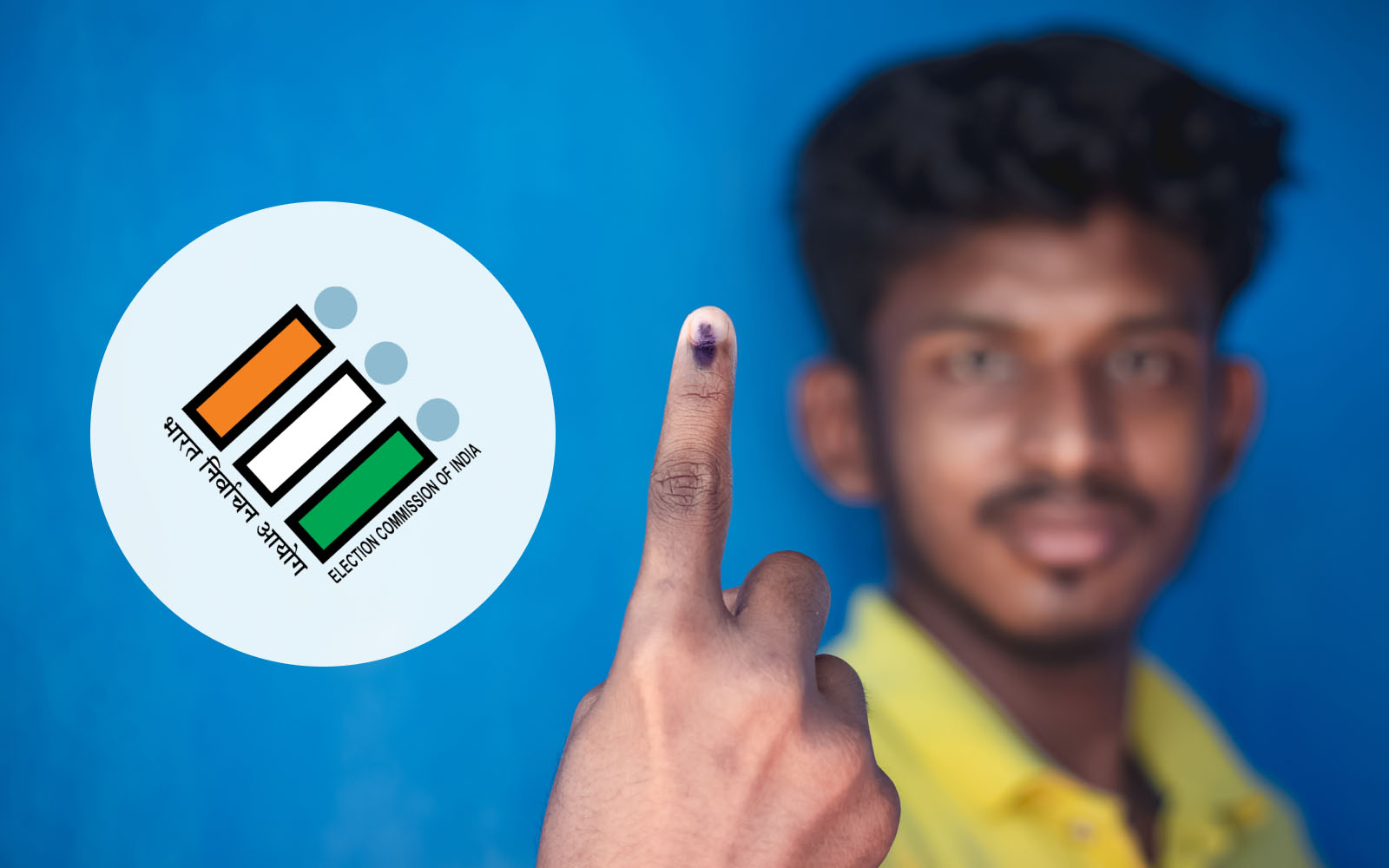
Elections are not just about casting votes — they are about trust in institutions that organize, monitor, and declare results. When citizens believe that electoral processes are free, fair, and transparent, democracy flourishes. But when institutional trust weakens, it leads to polarization, apathy, and even unrest.
What is Institutional Trust in Elections?
Institutional trust refers to the confidence citizens place in democratic institutions such as:
Election Commissions – ensuring impartiality and fair play.
Courts & Judiciary – upholding election laws.
Media & Civil Society – providing checks, transparency, and accountability.
Political Parties – respecting democratic norms and outcomes.
Without this trust, the legitimacy of elected governments is questioned, even if elections technically take place.
Why Institutional Trust Matters
Voter Confidence: People are more likely to participate when they trust the system.
Peaceful Transitions of Power: Acceptance of results prevents post-election violence.
Democratic Stability: Strong institutions protect against authoritarian drift.
Policy Effectiveness: Governments seen as legitimate can govern more effectively.
Global Challenges to Electoral Trust
Misinformation & Fake News: Social media has amplified false narratives about elections.
Polarization: Political divisions erode faith in impartial institutions.
Corruption & Influence of Money: Big money and lobbying raise doubts about fairness.
Foreign Interference: Cyber threats and propaganda undermine electoral confidence.
Case Studies: Elections & Trust in Action
United States: Trust in electoral outcomes has been sharply divided along partisan lines, especially after the 2020 elections.
India: Despite large-scale electoral participation, concerns about transparency in voting machines and political funding remain.
Europe: Countries like Sweden and Germany maintain high trust due to strong civic education and independent oversight bodies.
Rebuilding Trust in Elections
To strengthen institutional trust, democracies must:
Enhance Transparency: Open auditing of election results and clear communication.
Strengthen Legal Frameworks: Independent election commissions with real authority.
Promote Media Literacy: Combat misinformation through education and fact-checking.
Encourage Inclusivity: Ensure equal participation across gender, class, and region.
Global Cooperation: Share best practices for electoral reforms and technology safeguards.
Conclusion: Trust as the Lifeline of Democracy
Free and fair elections mean little if citizens do not trust the institutions that conduct them. In an age of disinformation, political polarization, and global uncertainty, rebuilding institutional trust is critical. Democracies that succeed in this will not only protect electoral integrity but also strengthen the very foundations of governance.
Frequently Asked Questions (FAQ)
Q1. Why is institutional trust important in elections?
Institutional trust ensures citizens believe elections are fair and transparent. Without it, voter turnout drops and democratic legitimacy is questioned.
Q2. How does misinformation affect electoral trust?
Misinformation spreads doubts about voting systems, results, and institutions. This weakens public confidence and increases political polarization.
Q3. Which institutions are most vital for free and fair elections?
Key institutions include independent election commissions, judiciary, media, and civil society organizations that monitor and safeguard electoral integrity.
Q4. How can countries rebuild trust in elections?
Countries can rebuild trust by ensuring transparent vote counting, strengthening independent oversight bodies, combating fake news, and encouraging civic participation.
Q5. What role do voters play in maintaining institutional trust?
Voters contribute by engaging responsibly, fact-checking information, respecting electoral outcomes, and holding leaders accountable within democratic frameworks.
Published on : 30th August
Published by : SMITA
www.vizzve.com || www.vizzveservices.com
Follow us on social media: Facebook || Linkedin || Instagram
🛡 Powered by Vizzve Financial
RBI-Registered Loan Partner | 10 Lakh+ Customers | ₹600 Cr+ Disbursed
https://play.google.com/store/apps/details?id=com.vizzve_micro_seva&pcampaignid=web_share