

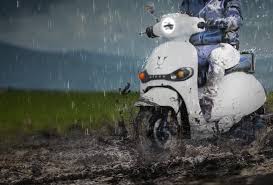
🚗💧 Electric Vehicle Monsoon Maintenance: How to Take Care of Your EV in the Rainy Season
The monsoon brings welcome relief from the heat—but for electric vehicle (EV) owners, it also brings new challenges. From battery safety to electronic system protection, taking a few preventive steps can go a long way in preserving your EV's performance and safety during the rainy season.
Here’s a comprehensive monsoon maintenance guide to help you keep your electric four-wheeler running smoothly.
🌧️ 1. Battery and Charging Precautions
The battery is your EV’s heart—rain or shine.
Tips:
Ensure the charging port is dry before plugging in.
Always use a covered, waterproof charging station.
Avoid charging the vehicle during lightning or heavy rain.
Regularly inspect the battery casing for signs of corrosion or leakage.
🧽 2. Exterior Protection & Cleaning
Water and mud splashes can affect the finish and sensors.
Tips:
Apply a protective ceramic coating or wax polish before the monsoon.
Wash your EV often to remove mud buildup, especially around sensors and cameras.
Use mud flaps and all-weather mats.
🔌 3. Insulate Electrical Components
Even though EVs are waterproofed to an extent, added protection is wise.
Tips:
Check rubber seals around doors and charging flaps.
Cover sensitive electronics like the on-board computer and fuse box using manufacturer-recommended insulation.
Ensure the undercarriage is rust-proofed.
🚧 4. Tyres & Brakes Check
Wet roads mean less traction.
Tips:
Inspect tyre tread depth—it should be no less than 2 mm.
Check tyre pressure regularly, as it fluctuates with temperature.
Ensure brakes are responsive and free from squeaks or delays.
💡 5. Wipers, Lights & Visibility
Monsoon visibility is a major safety concern.
Tips:
Replace old or streaky wiper blades.
Check headlights, brake lights, fog lamps, and DRLs.
Keep a microfiber cloth handy to clean fogged-up interiors.
⚠️ Bonus Tip: Avoid Deep Water Crossings
Even with high waterproofing standards, deep water crossings are a risk.
Water ingress can affect your EV’s motors, battery, and control units. If unavoidable, proceed very slowly, or better, avoid altogether.
❓ Frequently Asked Questions (FAQs)
Q1: Is it safe to drive an electric vehicle during heavy rains?
Yes, most EVs are IP-rated for water resistance, but precautions like avoiding deep water and drying the charging port are essential.
Q2: Can water damage the EV battery during the monsoon?
Unlikely, if the battery casing is intact. Still, it's good practice to avoid driving through flooded roads and get regular battery health checks.
Q3: How do I protect the EV’s charging port from rain?
Always use weatherproof chargers or covered charging bays. You can also install a rubber flap or protective casing.
Q4: Do EVs need special maintenance during monsoon?
Yes, especially regarding electrical system insulation, tyre checks, brake inspections, and waterproofing of components.
Q5: Can I wash my EV during the monsoon?
Yes, but always ensure charging points are sealed and no water enters electrical compartments. Use moderate water pressure.
🧠 Final Thoughts
Monsoons don’t have to be a nightmare for electric vehicle owners. With a little attention to battery care, insulation, and road safety, you can enjoy a worry-free drive even in the wettest months. Whether it's your daily EV commute or a weekend getaway, keeping these tips in mind will ensure you’re always rain-ready.
www.vizzve.com || www.vizzveservices.com
Follow us on social media: Facebook || Linkedin || Instagram
Reported by Benny on June 19, 2025.