

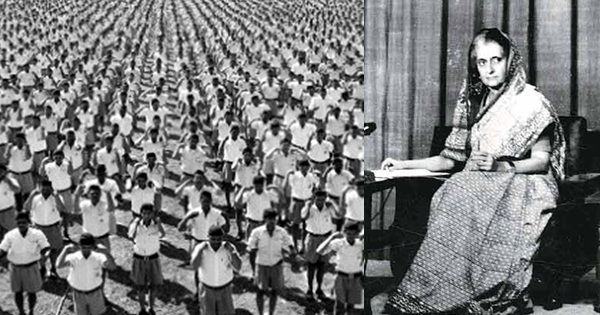
Background: Why the Emergency Was Declared
In June 1975, Prime Minister Indira Gandhi declared a national Emergency citing “internal disturbances.” This move followed a court verdict invalidating her 1971 election win, widespread protests led by Jayaprakash Narayan, and mounting political opposition.
🚫 Suspension of Civil Liberties
Press Freedom Curtailed: Pre-publication censorship was imposed; dissenting voices were silenced.
Mass Arrests: Over 100,000 opposition leaders and activists jailed under MISA.
No Habeas Corpus: Citizens lost the right to approach courts against unlawful detention.
Forced Sterilizations: Sanjay Gandhi’s aggressive population control policies led to mass human rights violations.
⚖️ Democracy Under Siege
Judicial Failure: The ADM Jabalpur case is remembered as a dark moment where the Supreme Court failed to protect individual rights.
42nd Amendment: Drastically altered the Constitution, weakening checks on executive power.
One-Person Rule: Parliament and institutions became subservient to the Prime Minister’s office.
📉 The Fall and Aftermath
In 1977, Indira Gandhi called for general elections.
The public voted overwhelmingly for the Janata Party, ending Congress’s authoritarian regime.
Emergency was officially revoked on March 21, 1977.
📘 Key Lessons from the Emergency
Democracy Requires Constant Vigilance
Power Needs Institutional Checks
Freedom of Press Is Essential
Civil Society Must Stay Active
Legal Safeguards Are Vital
📍 Conclusion
The Emergency remains a reminder of how quickly democracy can slip into authoritarianism. Yet, India’s ability to bounce back through the ballot remains one of the most powerful affirmations of its democratic foundation.
✅ FAQ (Frequently Asked Questions):
❓ What was the Emergency declared by Indira Gandhi in 1975?
The Emergency was a 21-month period from June 1975 to March 1977 when Prime Minister Indira Gandhi suspended civil liberties, censored the press, and ruled by decree, citing internal disturbances.
❓ Why was the Emergency declared in India?
It was declared after the Allahabad High Court found Indira Gandhi guilty of electoral malpractices. Facing political unrest and mass protests, she invoked Article 352 of the Constitution.
❓ How were civil liberties affected during the Emergency?
Fundamental rights were suspended, press freedom was curbed, opposition leaders were jailed without trial, and citizens could not challenge illegal detentions in court.
❓ What were the major consequences of the Emergency?
The Emergency led to widespread human rights violations, including forced sterilizations, suppression of dissent, and weakening of democratic institutions. It also resulted in the eventual defeat of the Congress Party in the 1977 elections.
❓ What are the key lessons from the 1975 Emergency?
The Emergency taught the importance of judicial independence, press freedom, institutional checks on executive power, and the need for constant vigilance in a democracy.
published on 25th june
Publisher : SMITA
www.vizzve.com || www.vizzveservices.com
Follow us on social media: Facebook || Linkedin || Instagram
🛡 Powered by Vizzve Financial
RBI-Registered Loan Partner | 10 Lakh+ Customers | ₹600 Cr+ Disbursed