

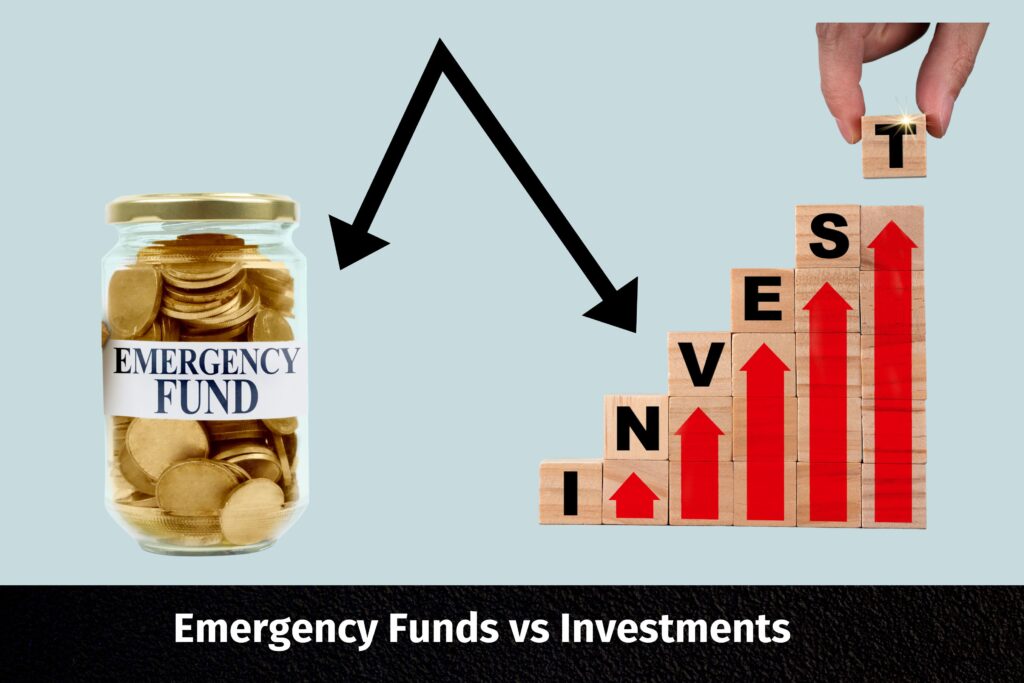
Both an emergency fund and insurance are essential pillars of personal financial planning. But when you’re just getting started, which should come first?
At Vizzve Finance, we believe that building a strong financial foundation starts with understanding your risks and needs. In this blog, we break down the difference between the two and help you decide which one to prioritize.
🧾 What’s the Difference?
💰 Emergency Fund
A liquid savings buffer that helps cover:
Medical emergencies
Job loss
Urgent home/car repairs
Family needs
Usually 3–6 months of essential expenses set aside in a savings account or liquid fund.
🩺 Insurance
A financial safety net that covers large, unexpected expenses:
Health Insurance – Covers medical bills
Life Insurance – Supports your family if you’re not around
Term Insurance – Affordable life cover for working individuals
Other Insurance – Car, travel, home, etc.
Insurance is a risk transfer tool, not a savings product.
✅ Emergency Fund or Insurance: Which Comes First?
🥇 Start with an Emergency Fund
Why? Because:
Insurance doesn’t cover everything (e.g., job loss, minor emergencies)
Claims may take time to process
Having liquid cash gives you instant access to money
Start with at least ₹25,000–₹50,000 if you’re early in your career, and build it gradually to 3–6 months of living expenses.
🥈 Get Essential Insurance Next
Once your basic emergency fund is in place, secure:
Health insurance (₹5–10 lakhs coverage at minimum)
Term life insurance (if you have dependents or loans)
💡 Vizzve Finance partners with licensed insurers and helps you compare the best, affordable policies for your needs.
🔁 How They Work Together
| Scenario | Emergency Fund | Insurance |
|---|---|---|
| Minor illness | ✅ Yes | ❌ No (below deductible) |
| Major surgery | ❌ Not enough | ✅ Covered by health insurance |
| Job loss | ✅ Yes | ❌ Not covered |
| Death of breadwinner | ❌ Not sufficient | ✅ Life/term insurance helps family |
| Natural disaster | ✅ For small repairs | ✅ If covered by home insurance |
💡 Tips from Vizzve Finance
Don't wait to build both — start small and grow both together
Park your emergency fund in liquid mutual funds or high-interest savings accounts
Review your insurance coverage every year
Avoid using credit cards for emergencies — that creates debt, not a solution
🙋♀️ FAQs
Q1. Can insurance replace an emergency fund?
No. Insurance only covers specific situations. You still need an emergency fund for uncovered or immediate expenses.
Q2. How much should I keep in an emergency fund?
Ideally, 3–6 months of essential expenses. If you’re self-employed, target up to 12 months.
Q3. What kind of insurance should I get first?
Health insurance is most urgent, followed by term life insurance if you have dependents.
Q4. Can I invest my emergency fund?
Keep it liquid and low-risk. Consider liquid mutual funds or sweep-in FD accounts — avoid stock market exposure.
published on 2nd july
Publisher : SMITA
www.vizzve.com || www.vizzveservices.com
Follow us on social media: Facebook || Linkedin || Instagram
🛡 Powered by Vizzve Financial
RBI-Registered Loan Partner | 10 Lakh+ Customers | ₹600 Cr+ Disbursed.