

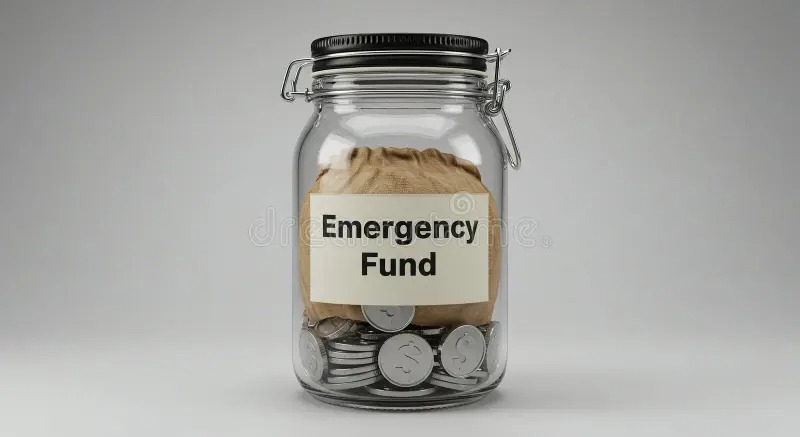
When life throws a curveball — like medical bills, job loss, or urgent repairs — you need quick access to funds. The debate often boils down to two choices: using liquid savings or taking a loan. Each has its pros and cons, and the right choice depends on your situation.
1. Liquid Savings in Emergencies
Pros:
Instant Access: No paperwork or approval needed.
No Interest Cost: You’re spending your own money.
Peace of Mind: Reduces long-term financial stress.
Cons:
Depletes Safety Net: Leaves you with less cushion for future emergencies.
Opportunity Cost: If your savings were earning good returns, you lose that income.
2. Loans in Emergencies
Pros:
Preserves Savings: Your cash stays intact for other needs.
Large Immediate Funds: Good for big, unexpected expenses.
Structured Repayment: Lets you spread costs over time.
Cons:
Interest Costs: Adds extra financial burden.
Approval Time: Even instant loans may take hours or days.
Debt Risk: Increases liabilities if not repaid promptly.
3. When to Use Savings vs. Loans
| Situation | Best Option | Why |
|---|---|---|
| Small emergency (₹20,000–₹50,000) | Liquid Savings | Quick access, no interest. |
| Large expense (₹1 lakh+) with steady income | Loan | Preserve savings, manageable EMIs. |
| Multiple emergencies close together | Mix of Both | Avoid draining savings entirely. |
4. Pro Tip for Emergency Planning
Maintain an emergency fund of at least 3–6 months of expenses in liquid assets (savings account, liquid mutual funds). Use loans only when the cost of borrowing is lower than the potential loss from depleting savings.
FAQs
Q1: Should I take a loan if I have enough savings?
A1: If borrowing costs are high, it’s better to use savings. But for very low-interest loans, you may preserve savings for other uses.
Q2: What counts as liquid savings?
A2: Cash, savings accounts, fixed deposits with premature withdrawal, and liquid mutual funds.
Q3: Are credit cards a good emergency tool?
A3: They can be, but only if repaid before interest kicks in — otherwise, they’re costly.
Q4: How do I prepare financially for emergencies?
A4: Build a dedicated emergency fund, review insurance coverage, and maintain good credit history.
Published on : 11th August
Published by : SMITA
www.vizzve.com || www.vizzveservices.com
Follow us on social media: Facebook || Linkedin || Instagram
🛡 Powered by Vizzve Financial
RBI-Registered Loan Partner | 10 Lakh+ Customers | ₹600 Cr+ Disbursed