

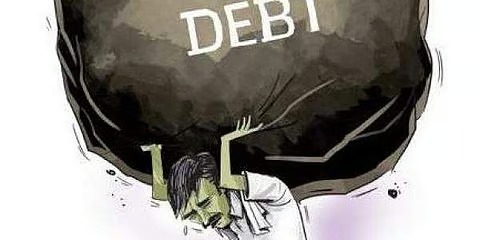
Corporate debt management and loan restructuring have become key areas of focus for Indian businesses in 2025. Companies across sectors are actively restructuring debt, optimizing financing, and seeking government-backed support to maintain liquidity and operational stability.
Key Trends in Corporate Debt
Shift Toward Long-Term Debt Instruments
Companies are favoring longer-tenure loans and bonds to ensure stable repayment schedules.
Rise of Private Debt Markets
Alternative financing through private debt funds and NBFCs is increasing, reducing dependence on traditional bank loans.
Focus on Debt-to-Equity Optimization
Firms are restructuring debt to optimize leverage ratios and strengthen balance sheets.
Government-Backed Restructuring Schemes
Initiatives like special credit windows and debt restructuring frameworks provide relief to stressed sectors.
Digitalization in Loan Management
Corporates and banks are adopting digital platforms for monitoring loans and repayments, improving efficiency and transparency.
Emerging Trends in Loan Restructuring
Sector-Specific Restructuring
Stressed sectors like real estate, infrastructure, and manufacturing are receiving targeted restructuring solutions.
Early Resolution and Pre-Packaged Plans
Pre-packaged insolvency and restructuring plans allow companies to resolve debt issues quickly and maintain operations.
Credit Rating-Driven Restructuring
Improved credit ratings enable firms to renegotiate terms, lower interest rates, and extend maturities.
Increased Role of RBI Guidelines
Regulatory frameworks encourage transparent and timely restructuring, protecting both lenders and borrowers.
Implications for Investors and Businesses
Investors: Better insight into risk and returns on corporate bonds and debt instruments.
Businesses: Enhanced flexibility in managing cash flows and financial planning.
Banks & NBFCs: Opportunity to diversify portfolios and mitigate stressed assets.
FAQs
Q1: Why is corporate debt restructuring important in India?
A1: It helps companies avoid defaults, improve liquidity, and ensure business continuity, benefiting both lenders and borrowers.
Q2: Which sectors are most affected by debt restructuring trends?
A2: Sectors like real estate, infrastructure, manufacturing, and energy are seeing significant restructuring activity.
Q3: How do government initiatives support corporate debt restructuring?
A3: Through special credit windows, pre-packaged insolvency frameworks, and regulatory support to facilitate timely debt resolution.
Q4: Can investors benefit from corporate debt restructuring?
A4: Yes, well-managed restructuring can enhance returns and reduce risks for debt investors.
Q5: How is digitalization changing debt management?
A5: Digital tools allow real-time monitoring of loans, repayments, and restructuring plans, increasing efficiency and transparency.
Conclusion
Emerging trends in corporate debt and loan restructuring indicate a more resilient and dynamic financial ecosystem in India. With government support, private funding, and digitalization, companies can navigate debt stress while investors gain clearer visibility into risk and opportunity.
Published on : 4th September
Published by : SMITA
www.vizzve.com || www.vizzveservices.com
Follow us on social media: Facebook || Linkedin || Instagram
🛡 Powered by Vizzve Financial
RBI-Registered Loan Partner | 10 Lakh+ Customers | ₹600 Cr+ Disbursed
https://play.google.com/store/apps/details?id=com.vizzve_micro_seva&pcampaignid=web_share