

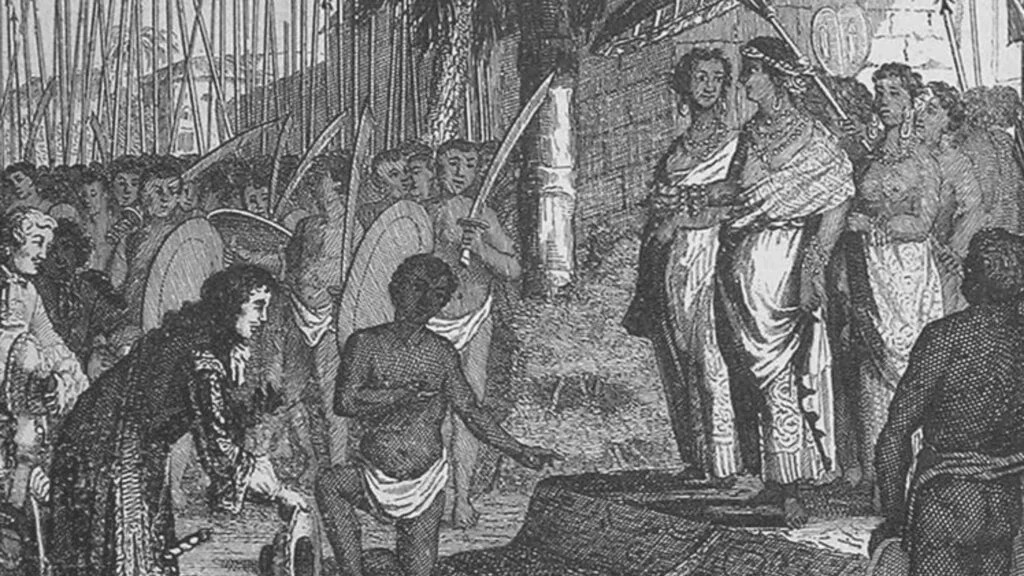
🌺 1. Royal Women: Queens Who Ruled
Chola queens such as Sembiyan Mahadevi and Kundavai Nachiyar were not merely consorts—they were administrators, donors, and patrons of art and religion.
Kundavai, daughter of Rajaraja Chola I, chose not to marry for power but remained politically active, promoting temple building and education.
Sembiyan Mahadevi, the queen of Gandaraditya Chola, built numerous Shiva temples and commissioned bronze sculptures that shaped South Indian art for centuries.
🏛️ 2. Temple Patrons and Architects
Women played a key role in temple building and patronage. In temple inscriptions, many donations were made by women, including land, gold, lamps, and jewelry.
These contributions weren’t limited to royals—merchant and common women also donated, revealing a society where women had economic freedom and spiritual agency.
📝 3. Literate and Learned: Women as Poets and Scholars
Women in the Chola empire had access to education, especially within aristocratic and religious circles.
Some inscriptions reference female poets, though many names have been lost to history.
Royal women were educated in Tamil, Sanskrit, and religious philosophy, and often mentored younger women in palace schools or mathas.
⚖️ 4. Administrative Roles and Property Rights
Women had independent legal identity, with rights to own, inherit, and donate property.
Temple records document women acting as:
Tax collectors
Landowners
Donors with independent seals
This level of autonomy was unusual for the time and is a testament to the inclusive administration of the Cholas.
🛕 5. Legacy in Art and Bronze
Many iconic bronze statues, especially those of Parvati, Kali, and Lakshmi, were commissioned by women.
Sembiyan Mahadevi’s donations shaped the Chola bronze tradition, where divine femininity was immortalized with unmatched beauty and symbolism.
💬 Conclusion:
The women of the Chola Empire were more than royal figures—they were custodians of culture, architects of devotion, and pillars of administration. Their contributions, seen in inscriptions, sculptures, and temples, still resonate across South India, offering timeless inspiration for gender equity, empowerment, and cultural continuity.
FAQs
Q1: Were women educated in the Chola period?
Yes. Royal and noble women had access to education in languages, scriptures, and arts.
Q2: Did Chola queens participate in governance?
Absolutely. Queens like Kundavai Nachiyar and Sembiyan Mahadevi were active in administration and temple patronage.
Q3: Did common women have property rights in Chola times?
Yes. Inscriptions show that women across social strata owned and donated property.
Q4: What is Sembiyan Mahadevi known for?
She is renowned for her temple patronage and contribution to bronze sculpture art in South India.
Q5: Were women involved in temple construction?
Yes, both royal and merchant-class women financed and supervised temple constructions.
Publisher : Kaushik
www.vizzve.com || www.vizzveservices.com
Follow us on social media: Facebook || Linkedin || Instagram