

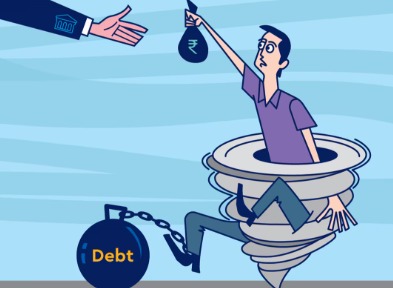
A debt trap occurs when individuals borrow repeatedly or fail to repay existing loans, leaving them stuck in a cycle of EMIs, interest, and penalties. It not only strains finances but also affects mental well-being, relationships, and credit scores.
Managing debt effectively requires a structured approach—prioritizing repayments, budgeting wisely, and exploring refinancing or consolidation options.
Practical Tips to Escape a Debt Trap
1. Assess Your Total Debt
List all loans, credit cards, and EMIs.
Calculate total monthly obligations and outstanding interest.
2. Budget Wisely
Track income vs expenses.
Allocate a fixed portion of income to EMI repayment (ideally 40–50%).
3. Prioritize High-Interest Loans
Pay off credit cards and personal loans first.
Focus on loans with higher interest rates, as they accumulate faster.
4. Consider Loan Consolidation
Merge multiple loans into a single lower-interest loan.
Simplifies repayment and reduces monthly financial pressure.
5. Negotiate with Lenders
Request rescheduling, moratoriums, or lower interest rates if struggling.
Most banks and NBFCs offer flexible repayment options for genuine cases.
6. Avoid New Unnecessary Loans
Stop taking short-term loans or high-interest credit until existing debt is cleared.
7. Maintain an Emergency Fund
Keep 3–6 months of living expenses aside to avoid borrowing during unexpected events.
8. Seek Professional Help
Financial advisors or debt counselors can create a structured repayment plan and help negotiate with lenders.
FAQ:
Q1. How do I know if I am in a debt trap?
A: If most of your income goes toward repaying existing EMIs and borrowing more just to pay older loans, you may be in a debt trap.
Q2. Can debt consolidation help?
A: Yes, consolidating multiple high-interest loans into a single lower-interest loan can reduce EMIs and simplify repayments.
Q3. Is it okay to negotiate with banks for relief?
A: Absolutely. Banks often provide rescheduling, moratoriums, or reduced interest for borrowers facing genuine difficulty.
Q4. How can budgeting help?
A: Budgeting ensures EMIs fit within your income, prevents overspending, and reduces the risk of default.
Q5. When should I seek professional help?
A: If you are unable to manage EMIs or stressed about loans, consulting a financial advisor or debt counselor is recommended.
Conclusion
Escaping a debt trap requires discipline, planning, and informed financial decisions. By prioritizing high-interest loans, consolidating debt, negotiating with lenders, and maintaining a solid budget and emergency fund, individuals can regain control over their finances.
The goal is not just repaying loans, but also restoring peace of mind and building a foundation for financial stability.
Published on : 10th October
Published by : SMITA
www.vizzve.com || www.vizzveservices.com
Follow us on social media: Facebook || Linkedin || Instagram
🛡 Powered by Vizzve Financial
RBI-Registered Loan Partner | 10 Lakh+ Customers | ₹600 Cr+ Disbursed
https://play.google.com/store/apps/details?id=com.vizzve_micro_seva&pcampaignid=web_share