

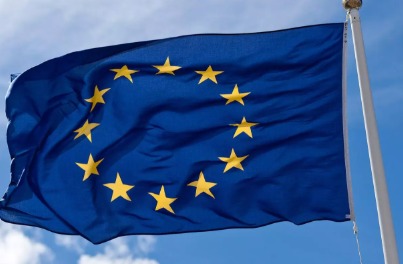
In a landmark decision, European Union nations have agreed to phase out all Russian gas imports by the end of 2027. This step marks a significant shift in Europe’s energy strategy, aiming to reduce dependency on Russian fossil fuels and accelerate the transition to renewable energy sources.
The move comes amid ongoing geopolitical tensions and growing concerns about energy security and economic stability.
Why the EU Is Banning Russian Gas
Energy Security: Reduce vulnerability to geopolitical conflicts that threaten supply.
Diversification: Encourage alternative sources like LNG imports, renewables, and nuclear energy.
Climate Goals: Aligns with the EU Green Deal and net-zero carbon targets by 2050.
Economic Strategy: Minimize exposure to volatile global gas prices and strengthen energy independence.
Implications for Europe
Energy Market Shifts:
Increased reliance on LNG imports from the US, Qatar, and other suppliers.
Potential short-term price volatility as markets adjust.
Acceleration of Renewable Energy:
Investments in wind, solar, and hydrogen technologies expected to rise.
Faster development of energy storage solutions to handle intermittent supply.
Political and Diplomatic Impact:
Reduces Russia’s leverage over Europe through energy exports.
Could affect EU-Russia trade relations and broader geopolitical dynamics.
Consumer Impact:
Short-term energy price fluctuations for households and industries.
Long-term benefits from stable and diversified energy supply.
How EU Nations Plan to Adapt
Infrastructure Upgrades: Expansion of LNG terminals and interconnectors between member states.
Energy Efficiency Programs: Incentives for homes and industries to reduce gas consumption.
Strategic Reserves: Increased storage of natural gas to mitigate supply disruptions.
Collaboration: Sharing resources and technology across EU countries for smooth transition.
FAQs
Q1: When will the EU completely stop importing Russian gas?
The complete ban is set for end of 2027, with gradual reduction measures implemented over the next four years.
Q2: Will this affect gas prices in Europe?
Short-term price volatility is expected, but diversification and renewables may stabilize prices long-term.
Q3: How will the EU replace Russian gas?
Through LNG imports, renewable energy, nuclear power, and energy efficiency measures.
Q4: Is this decision politically motivated?
Yes, it reflects both energy security concerns and geopolitical tensions with Russia.
Q5: What does this mean for global energy markets?
Increased demand for LNG exports and accelerated renewable energy investments worldwide.
Conclusion
The EU’s decision to ban Russian gas imports by 2027 represents a pivotal moment in global energy politics. While short-term challenges like price volatility and infrastructure upgrades exist, the long-term benefits include energy independence, climate progress, and geopolitical resilience.
Europe’s move signals a decisive shift towards diversification and sustainability, shaping the future of energy in the 21st century.
Published on : 20th October
Published by : SMITA
www.vizzve.com || www.vizzveservices.com
Follow us on social media: Facebook || Linkedin || Instagram
🛡 Powered by Vizzve Financial
RBI-Registered Loan Partner | 10 Lakh+ Customers | ₹600 Cr+ Disbursed
https://play.google.com/store/apps/details?id=com.vizzve_micro_seva&pcampaignid=web_share