

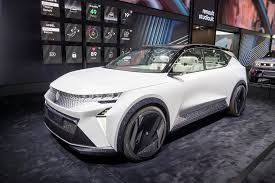
📘 Europeans More Reluctant to Switch to EVs Than Americans, Says Report
A new report on electric vehicle (EV) adoption trends has highlighted a surprising shift in sentiment: European consumers appear more hesitant than Americans to make the transition to EVs. The findings come amid intensifying efforts by governments to push for greener alternatives in transport.
According to the research, the reluctance is rooted in a mix of economic, infrastructural, and cultural concerns — from lack of charging networks to higher upfront costs.
🔍 Key Insights from the Report
35% of Europeans expressed hesitation toward switching to EVs, compared to 28% of Americans.
Charging infrastructure gaps in rural and suburban European areas were a major concern.
Americans are more likely to consider hybrid models as a transitional option.
Price sensitivity remains a key factor, with Europeans citing limited access to subsidies or incentives.
⚙️ Why the Divergence?
Despite Europe’s strong climate policies, several factors explain the EV adoption gap:
Europe’s electricity costs are among the highest globally, making EV operation less economical.
Many European cities still lack fast-charging networks, especially outside capital zones.
Vehicle affordability plays a bigger role in regions like Eastern Europe, where EVs remain out of reach for the average buyer.
In contrast, the U.S. has seen a wider rollout of federal tax credits and manufacturer discounts.
🌍 Policy Response & Market Impact
European policymakers may need to reassess incentives and infrastructure priorities. Manufacturers like Volkswagen, Stellantis, and BMW may also adjust product strategies or pricing to stimulate demand.
Meanwhile, American EV manufacturers such as Tesla and Ford are gaining ground due to aggressive pricing and range improvements, appealing to more first-time buyers.
❓ Frequently Asked Questions (FAQs)
Q1: Why are Europeans more reluctant to adopt EVs than Americans?
Europeans cite high electricity prices, poor charging infrastructure, and limited affordability as reasons for EV reluctance.
Q2: What is the EV adoption rate in Europe vs. the U.S.?
Adoption rates vary by country, but recent surveys show a higher percentage of Americans willing to consider EVs than Europeans.
Q3: Are government incentives available in Europe for EV buyers?
Yes, though the extent and efficiency of these incentives vary greatly between Western and Eastern Europe.
Q4: Which companies are leading the EV space in Europe and the U.S.?
Tesla, BMW, Volkswagen, and Ford are among the top players, with regional dominance depending on market and model.
Q5: How can EV adoption be improved in Europe?
Investment in charging infrastructure, price subsidies, public education, and rural outreach are key strategies.
📝 Conclusion
While both the U.S. and Europe are moving toward an electrified future, consumer readiness is not uniform. For Europe to meet its ambitious climate goals, addressing practical concerns like charging accessibility and affordability will be essential. The EV race isn’t just about technology—it’s also about consumer trust and support systems.
www.vizzve.com || www.vizzveservices.com
Follow us on social media: Facebook || Linkedin || Instagram
Reported by Benny on June 17, 2025.