

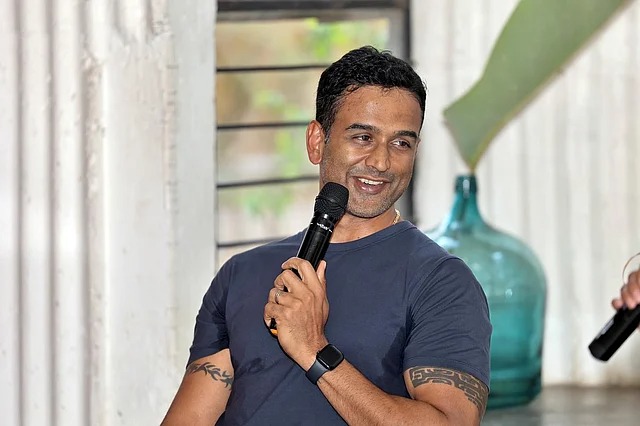
As electric vehicles (EVs) dominate the global sustainability conversation, Zerodha CEO Nithin Kamath has sparked a critical debate — are we truly solving the pollution problem, or simply shifting it? In a recent post, Kamath questioned the real environmental impact of the EV transition, cautioning against what he sees as potential greenwashing in the clean mobility narrative.
What Kamath Said:
Kamath pointed out that while EVs reduce tailpipe emissions, their production, particularly of batteries, involves energy-intensive processes, mining of rare earths, and significant carbon emissions. He argued that the real question isn’t just about switching to EVs but examining the total lifecycle impact of these vehicles.
Key Concerns Raised:
Battery Manufacturing Emissions:
Mining lithium, cobalt, and nickel for EV batteries has major environmental costs, including groundwater contamination and CO₂ emissions.
Electricity Source Dilemma:
In many countries, EVs are charged using coal-based electricity, undermining their "zero-emissions" promise.
Vehicle Disposal & Recycling:
Limited infrastructure exists for recycling EV batteries, raising long-term ecological risks.
Urban Congestion Unchanged:
Kamath emphasizes that replacing ICE vehicles with EVs does little to reduce traffic congestion, road usage, or public health impacts related to city design.
Are We Greenwashing the EV Revolution?
Kamath’s stance echoes a growing global concern: Is the EV push genuinely sustainable, or is it another version of goalpost shifting — tackling visible pollution while ignoring upstream and downstream environmental damage?
What Experts Say:
While EVs are undeniably cleaner in terms of tailpipe emissions, several studies validate Kamath’s points — emphasizing the need for cleaner grids, ethical mining, and closed-loop battery systems to make EVs truly green.
FAQ:
Q. Is Nithin Kamath against EVs?
A. Not necessarily. He supports innovation but is calling for greater transparency and accountability in how sustainability is defined.
Q. What is the alternative?
Kamath hints at a broader solution: public transport, walkable cities, and cleaner energy grids, not just EV adoption.
Q. How should consumers respond?
Be informed. Choose EVs that use renewable-powered charging, and support policies promoting sustainable urban mobility.
published on 25th june
Publisher : SMITA
www.vizzve.com || www.vizzveservices.com
Follow us on social media: Facebook || Linkedin || Instagram
🛡 Powered by Vizzve Financial
RBI-Registered Loan Partner | 10 Lakh+ Customers | ₹600 Cr+ Disbursed