

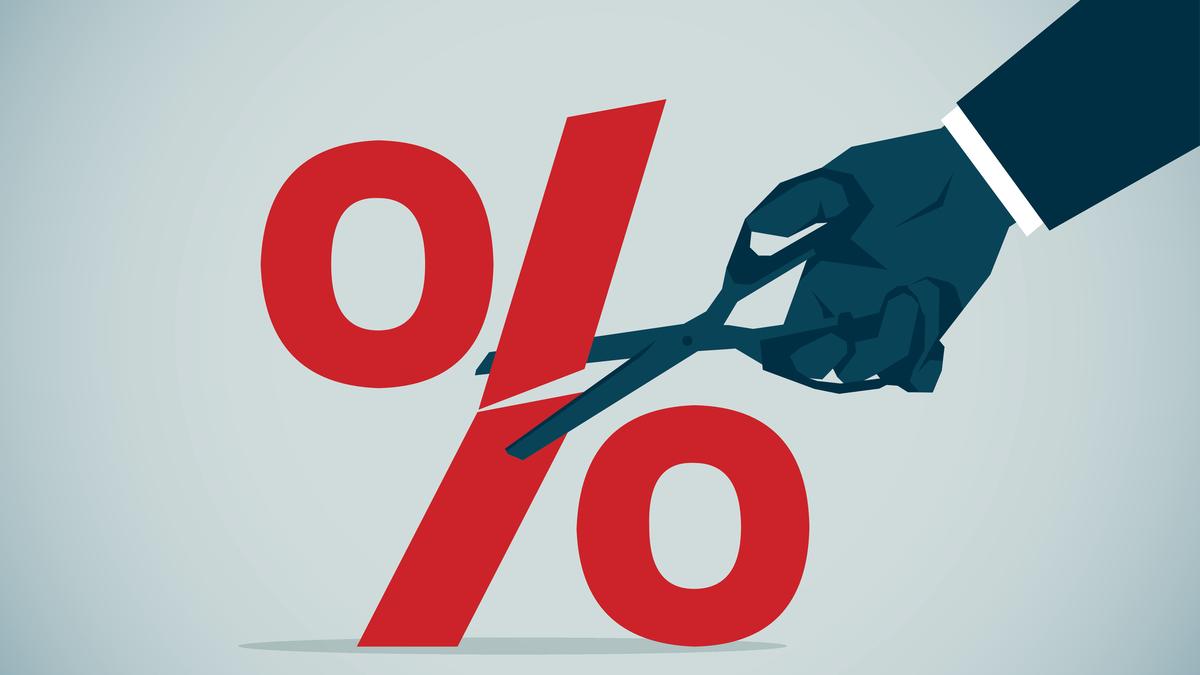
Expansionary Policies in a Slowing Economy: Tools for Economic Revival
When an economy begins to slow down, governments and central banks often turn to expansionary policies to reignite growth. These policy measures aim to boost consumer demand, increase business investment, and reduce unemployment. They are especially critical during periods of economic stagnation or recession.
Expansionary policies fall into two main categories: fiscal policy and monetary policy.
1. Expansionary Fiscal Policy
Governments implement expansionary fiscal policies through increased public spending and/or tax cuts. The goal is to inject more money into the economy, thereby encouraging consumption and investment.
Examples include:
Infrastructure projects to create jobs
Tax rebates to increase disposable income
Social welfare programs to support low-income households
These measures help create a multiplier effect, where increased spending leads to more income, more jobs, and further economic activity.
2. Expansionary Monetary Policy
Central banks use expansionary monetary policies to make borrowing cheaper and increase the money supply.
Common tools include:
Lowering interest rates
Purchasing government bonds (quantitative easing)
Reducing reserve requirements for banks
Lower interest rates encourage businesses to invest and consumers to spend, helping to stimulate economic momentum.
Benefits of Expansionary Policies
Boosts GDP Growth: Stimulates demand and production.
Reduces Unemployment: Creates job opportunities through increased economic activity.
Restores Market Confidence: Signals government action to stabilize the economy.
Potential Risks
While expansionary policies can be effective, they are not without risks:
Inflation: Excess demand can lead to rising prices.
Budget Deficits: Increased government spending may widen fiscal gaps.
Asset Bubbles: Easy money may inflate prices in real estate or stock markets.
For these reasons, policymakers must carefully balance stimulus measures to avoid overheating the economy.
Frequently Asked Questions (FAQs)
1. What is an expansionary policy?
An expansionary policy is a government or central bank action designed to stimulate economic growth, typically through increased spending or lower interest rates.
2. When are expansionary policies used?
They are commonly used during periods of economic slowdown, recession, or when GDP growth is below potential.
3. What is the difference between fiscal and monetary expansionary policy?
Fiscal policy involves government spending and taxation, while monetary policy involves central bank tools like interest rates and money supply management.
4. What are the risks of using expansionary policy?
Key risks include inflation, higher public debt, and potential asset bubbles if stimulus measures are excessive or poorly targeted.
5. Can expansionary policies fail?
Yes, if poorly timed or mismanaged, they may lead to high inflation without improving long-term growth, or fail to gain traction if consumer and business confidence is low.
Published on: June 23, 2025
Uploaded by: PAVAN
www.vizzve.com || www.vizzveservices.com
Follow us on social media: Facebook || Linkedin || Instagram
🛡 Powered by Vizzve Financial
RBI-Registered Loan Partner | 10 Lakh+ Customers | ₹600 Cr+ Disbursed