

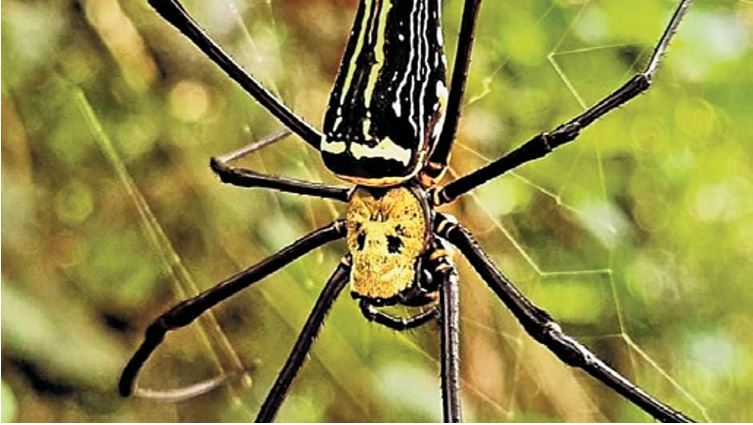
Experts Want Rare Spider Named After Lord Hanuman: Scientific Discovery With Cultural Significance
A team of biodiversity experts has proposed naming a newly discovered rare spider species after Lord Hanuman. The idea stems from the spider’s distinctive body structure, posture, and physical characteristics, which closely resemble depictions of Hanuman in ancient Indian scriptures and sculptures.
The discovery has attracted attention across the scientific community because such culturally rooted naming proposals are uncommon but meaningful. According to researchers, the spider’s strong limbs, unusual agility, and unique markings symbolically mirror features associated with Lord Hanuman, known for strength, devotion, and courage.
Why the Hanuman Name Matters
Experts believe that naming the spider after Lord Hanuman will highlight India’s rich biodiversity while promoting cultural heritage. Scientific naming often draws inspiration from mythology or historical figures, helping create a wider public interest in conservation.
This proposed name also aims to bring global attention to the importance of protecting lesser-known species that are vital to ecological balance.
Scientific Importance of the Discovery
The spider belongs to a rare genus that is sparsely documented.
Its habitat is limited, making it ecologically vulnerable.
The discovery strengthens ongoing research on arachnid diversity in India.
Scientists believe this species could offer new insights into microhabitat evolution.
Conservation and Future Research
Researchers are stressing the importance of immediate conservation measures to protect this spider's fragile habitat. Detailed studies and genetic sequencing are currently under way to confirm its taxonomic classification. If approved, the Hanuman-inspired name could be included in future zoological records.
FAQs
1. Why do experts want the spider named after Lord Hanuman?
Because its physical posture and features resemble traditional depictions of Lord Hanuman, symbolizing strength and agility.
2. Is naming species after mythological figures common?
Yes. Scientific names often reference mythology, cultural icons, and historical personalities.
3. Has the name been officially approved?
Not yet. The proposal is under scientific review and will be finalized after taxonomic evaluation.
4. Why is this spider species considered rare?
It belongs to a scarcely documented genus, lives in restricted habitats, and has low recorded sightings.
5. How does cultural naming help conservation?
It increases public interest, attracts media attention, and promotes awareness about lesser-known species.
source credit : Raghottam Koppar
Published on : 25th November
Published by : RAHAMATH
www.vizzve.com || www.vizzveservices.com
Follow us on social media: Facebook || Linkedin || Instagram
🛡 Powered by Vizzve Financial
RBI-Registered Loan Partner | 10 Lakh+ Customers | ₹600 Cr+ Disbursed