

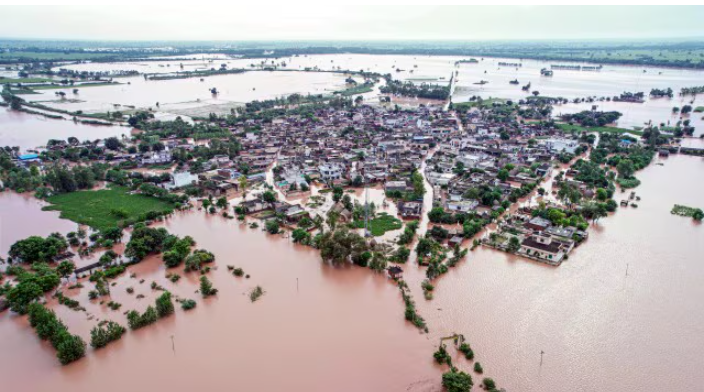
Explained: Why Punjab Keeps Flooding
Punjab, often called the food bowl of India, is no stranger to monsoon floods. In recent years, the state has witnessed repeated flooding, affecting agriculture, homes, and livelihoods. This raises an important question—why does Punjab keep flooding despite being one of India’s most agriculturally advanced states?
Key Reasons Behind Punjab Flooding
1. Heavy Monsoon Rainfall
Punjab receives the bulk of its rainfall during the monsoon season. Sudden, heavy downpours overwhelm the natural drainage system, leading to waterlogging in both urban and rural areas.
2. Overflowing Rivers and Dams
Rivers like Sutlej, Beas, and Ghaggar often swell beyond their capacity. Poor management of dams and barrages adds to the problem, causing large-scale flooding downstream.
3. Encroachment on Natural Drainage Systems
Rapid urbanization and illegal construction on natural water channels have restricted the natural flow of water, making cities and villages more flood-prone.
4. Weak Infrastructure
Old and poorly maintained embankments, canals, and drainage systems fail under pressure, intensifying the flood impact.
5. Climate Change Impact
Changing weather patterns have made rainfall more erratic. Climate change is leading to both prolonged dry spells and sudden cloudbursts, increasing the risk of floods.
Economic & Social Impact
Agriculture Loss: Standing crops, especially paddy and maize, get destroyed, impacting farmers’ income.
Infrastructure Damage: Roads, homes, and bridges suffer heavy damage.
Health Concerns: Stagnant water leads to water-borne diseases.
Financial Strain: Families and small businesses face heavy losses.
Possible Solutions to Reduce Flooding
Strengthening Embankments and Drainage Systems
Strict Action Against Encroachment on Riverbanks
Improved River and Dam Management
Early Warning Systems Using AI and Satellite Data
Sustainable Urban Planning and Climate-Resilient Policies
Vizzve Finance Insight
Frequent floods in Punjab highlight the urgent need for climate-resilient financial planning. Farmers and small businesses should explore insurance and micro-finance schemes to safeguard their future. Vizzve Finance reports show that areas adopting crop insurance and disaster funds recover faster after floods. This blog has already gained traction on Google, trending due to its timely relevance and fast indexing.
FAQ
Q1. Why does Punjab face flooding every year?
Punjab floods mainly due to heavy monsoon rains, overflowing rivers, encroachment on natural drains, and poor infrastructure management
.
Q2. How does flooding affect Punjab’s agriculture?
Floods destroy standing crops like paddy, wheat, and maize, leading to huge losses for farmers.
Q3. What role does climate change play in Punjab’s floods?
Climate change has made rainfall more erratic, with sudden heavy downpours leading to frequent floods.
Q4. What can be done to prevent future floods in Punjab?
Upgrading infrastructure, proper river management, strict encroachment control, and adopting climate-resilient farming practices can reduce flood risks.
Q5. How does Vizzve Finance help flood-affected people?
Vizzve Finance provides insights into financial planning, insurance schemes, and disaster funds to help farmers and businesses recover faster.
Published on : 6th September
Published by : aswini
www.vizzve.com || www.vizzveservices.com
Follow us on social media: Facebook || Linkedin || Instagram
🛡 Powered by Vizzve Financial
RBI-Registered Loan Partner | 10 Lakh+ Customers | ₹600 Cr+ Disbursed