

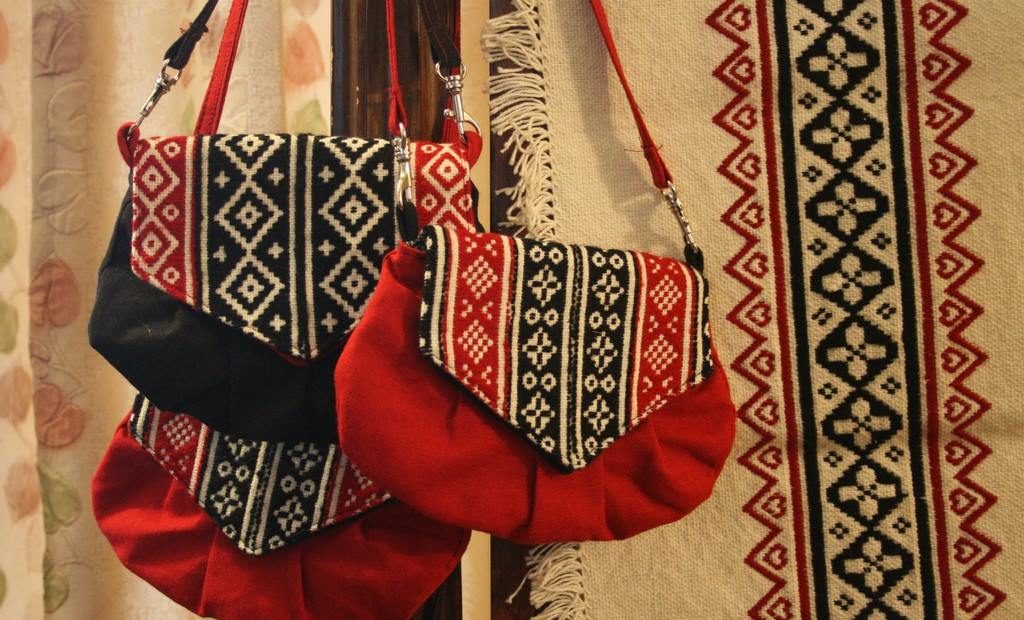
India is a land of vibrant culture and artistic heritage, renowned worldwide for its handicrafts and traditional art forms. From intricate embroidery and weaving to pottery, painting, and sculpture, Indian craftsmanship showcases centuries of creativity, skill, and cultural diversity.
1. Traditional Handicrafts Across India
Textiles and Embroidery
Phulkari (Punjab): Colorful floral embroidery on fabrics.
Chikankari (Uttar Pradesh): Delicate white thread embroidery.
Kanchipuram Silk (Tamil Nadu): Luxurious silk sarees with gold zari work.
Pottery and Ceramics
Blue Pottery (Rajasthan): Known for its vibrant cobalt blue designs.
Terracotta (West Bengal & Odisha): Earthenware depicting folklore and mythology.
Khavda Pottery (Gujarat): Traditional clay art with regional patterns.
Metalwork and Sculpture
Bidriware (Karnataka): Blackened metal inlayed with silver designs.
Dhokra Art (Chhattisgarh & West Bengal): Bell metal tribal sculptures using the lost-wax technique.
Tanjore Paintings (Tamil Nadu): Bronze and wooden sculptures with gold leaf detailing.
Woodwork and Handicrafts
Sandalwood Carving (Karnataka): Intricate sculptures and decorative items.
Madhubani Painting Frames (Bihar): Hand-painted wooden frames for art pieces.
Channapatna Toys (Karnataka): Traditional wooden toys with bright colors.
2. Regional Art Forms
Rajasthan: Known for block printing, miniature paintings, and jewelry crafts.
West Bengal: Famous for Kantha embroidery, terracotta crafts, and Patachitra paintings.
Kerala: Renowned for coir products, mural paintings, and Kathakali masks.
Gujarat: Offers bandhani textiles, mirror work, and wooden crafts.
3. Cultural Significance of Handicrafts
Preservation of Heritage: Handicrafts reflect India’s rich history and folklore.
Livelihood for Artisans: Millions depend on handicrafts for income and sustenance.
Promotion of Sustainable Art: Handmade products reduce dependence on mass production and encourage eco-friendly practices.
Conclusion:
The rich world of Indian handicrafts and art forms showcases the country’s creativity, cultural diversity, and timeless craftsmanship. Each piece tells a story, preserving heritage while inspiring modern appreciation for traditional artistry and handmade excellence.
FAQ :
Q1: What are the most famous Indian handicrafts?
Textiles (Phulkari, Kanchipuram silk), pottery (Blue Pottery, Terracotta), metalwork (Bidriware, Dhokra), and woodcraft (Channapatna toys, sandalwood carvings).
Q2: Which states are famous for handicrafts in India?
Rajasthan, West Bengal, Karnataka, Tamil Nadu, Gujarat, and Odisha are some key states.
Q3: Why are Indian handicrafts culturally important?
They preserve tradition, heritage, and folklore, reflecting centuries of artistic excellence.
Q4: How do handicrafts support local communities?
Handicrafts provide livelihoods for artisans, sustain traditional skills, and promote regional economies.
Q5: Are Indian handicrafts sustainable?
Yes, handmade crafts often use natural materials and eco-friendly techniques, promoting sustainable art.
Published on : 3rd September
Published by : SMITA
www.vizzve.com || www.vizzveservices.com
Follow us on social media: Facebook || Linkedin || Instagram
🛡 Powered by Vizzve Financial
RBI-Registered Loan Partner | 10 Lakh+ Customers | ₹600 Cr+ Disbursed
https://play.google.com/store/apps/details?id=com.vizzve_micro_seva&pcampaignid=web_share