

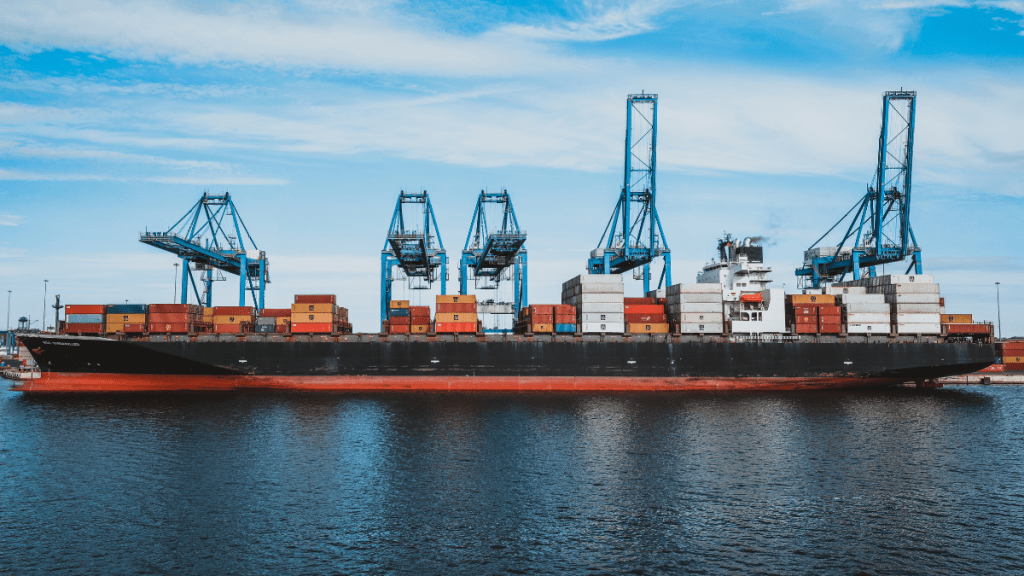
Exporters May Use Other Routes if Iran Blocks Strait of Hormuz
Growing geopolitical tensions in the Middle East have reignited fears of a potential blockade of the Strait of Hormuz by Iran—a move that could severely impact global oil supply and maritime trade. In anticipation, exporters—particularly from India and Asia—are actively exploring alternative shipping routes to avoid delays, higher costs, and security risks.
Why the Strait of Hormuz Matters
The Strait of Hormuz is one of the world’s most crucial maritime chokepoints. Roughly 20% of global oil trade and a large portion of liquefied natural gas pass through this narrow passage between Iran and Oman. Any disruption here can significantly impact oil prices, insurance costs, and delivery schedules.
How Exporters Are Preparing
To mitigate the risk of supply chain disruptions, global exporters are considering the following alternatives:
Red Sea and Suez Canal Route: Though longer, this route remains a viable option for shipments bound for Europe or the Americas.
Overland Trade Corridors: Land-based transport links, including the International North-South Transport Corridor (INSTC) via Iran-Russia, are being assessed for select goods.
Maritime Diversions via Africa: Some exporters are evaluating rerouting ships around the Cape of Good Hope, although this increases transit time and fuel costs.
Impact on Indian Exporters
India, being heavily reliant on Gulf-based trade, could face higher freight rates, insurance premiums, and potential shipment delays. Exporters dealing in oil, chemicals, textiles, and machinery are among those most at risk.
Government agencies and trade bodies are reportedly monitoring the situation and advising exporters on contingency planning. Major ports and shipping companies are also reviewing route flexibility and emergency protocols.
Economic and Strategic Implications
If the blockade materializes, it could spark a surge in global oil prices and further strain already volatile supply chains. Countries may also accelerate investments in trade infrastructure and diversify their shipping partnerships to reduce dependence on chokepoints like Hormuz.
Frequently Asked Questions (FAQs)
1. Why is the Strait of Hormuz so important?
It handles about 20% of the world’s oil shipments, making it a key artery for global energy and trade logistics.
2. What happens if Iran blocks the Strait of Hormuz?
It could disrupt oil and goods shipments, spike global prices, and force exporters to reroute their cargo through longer, more expensive paths.
3. Are there alternative trade routes for exporters?
Yes. Exporters may use the Suez Canal, overland routes via Central Asia and Russia, or divert maritime traffic around Africa.
4. How are Indian exporters affected?
India’s trade with Gulf nations may face higher costs and delays, especially for oil, petrochemicals, and heavy machinery.
5. What can exporters do to mitigate the impact?
They can plan ahead with diversified logistics routes, stockpile inventory, and coordinate with shipping agencies for flexible transport options.
Published on: June 23, 2025
Uploaded by: PAVAN
www.vizzve.com || www.vizzveservices.com
Follow us on social media: Facebook || Linkedin || Instagram
🛡 Powered by Vizzve Financial
RBI-Registered Loan Partner | 10 Lakh+ Customers | ₹600 Cr+ Disbursed