

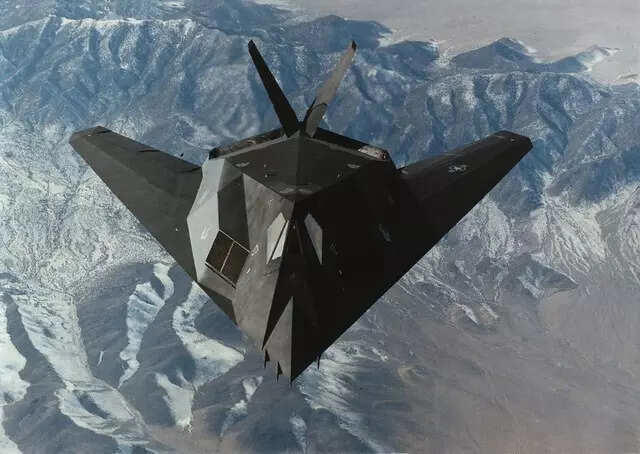
F-35 Beware: American Stealth Fighter Reportedly Shot Down Using Innovative Tracking Method
In a potentially game-changing moment for aerial warfare, an American-made F-35 stealth fighter has reportedly been shot down using a breakthrough detection method. This marks a major development in modern combat aviation, raising questions about the continued dominance of stealth technology in hostile environments.
What Happened?
Reports suggest that Iranian air defense forces successfully detected, tracked, and engaged an F-35I Adir—a variant of the U.S.-made F-35 used by the Israeli Air Force. The aircraft was allegedly brought down near Tabriz, with the pilot captured. If verified, this would mark the third such incident in a matter of months, placing pressure on military strategists and defense analysts worldwide.
How Was the F-35 Tracked?
The F-35 is built for radar evasion, but emerging detection technologies are leveling the playing field. Intelligence suggests that the aircraft may have been tracked using a combination of infrared sensors, multi-spectrum radar systems, and possibly AI-assisted targeting algorithms. These systems are designed to detect the heat signature, electronic emissions, or subtle radar reflections that even the most advanced stealth materials can’t completely mask.
Some experts speculate that a shoulder-fired, infrared-guided missile system—like the Russian-made SA-18 Igla—could have been used. Unlike radar-guided systems, these weapons are capable of locking onto the heat emitted by an aircraft’s engines, bypassing stealth coatings and radar cross-section reductions.
Implications for the Future of Stealth Technology
The F-35 is among the most technologically advanced aircraft in service, but this incident challenges the assumption that stealth equals invulnerability. As adversaries invest heavily in anti-stealth capabilities, the global defense landscape is rapidly evolving.
Military analysts are now calling for diversified aircraft fleets, integrating stealth platforms with support drones, decoys, and electronic warfare systems. This development may also accelerate the need for sixth-generation fighter programs that prioritize adaptability and electronic warfare over stealth alone.
❓ Frequently Asked Questions (FAQ)
Q1: Was the F-35 really shot down?
A1: While official confirmation is pending, multiple regional media outlets claim that an Israeli-operated F-35 was shot down in Iranian airspace. Analysts are reviewing evidence to verify this claim.
Q2: How was the F-35 detected if it’s a stealth jet?
A2: The jet was reportedly targeted using innovative methods including infrared detection and advanced radar systems capable of penetrating stealth defenses.
Q3: What weapon systems can counter stealth aircraft?
A3: Infrared-guided missiles, passive radar systems, and sensor fusion technologies are becoming more capable of tracking and targeting stealth platforms.
Q4: Has this happened before?
A4: Yes. There have been earlier claims—some unconfirmed—of F-35 aircraft being damaged or downed in hostile zones, particularly in high-threat environments like the Middle East.
Q5: What does this mean for the future of air combat?
A5: It signals a shift in air warfare doctrine. While stealth remains a powerful tool, it can no longer be relied upon as the sole defense mechanism in contested zones.
Published on: June 18, 2025
Uploaded by: PAVAN
www.vizzve.com || www.vizzveservices.com
Follow us on social media: Facebook || Linkedin || Instagram