

Introduction
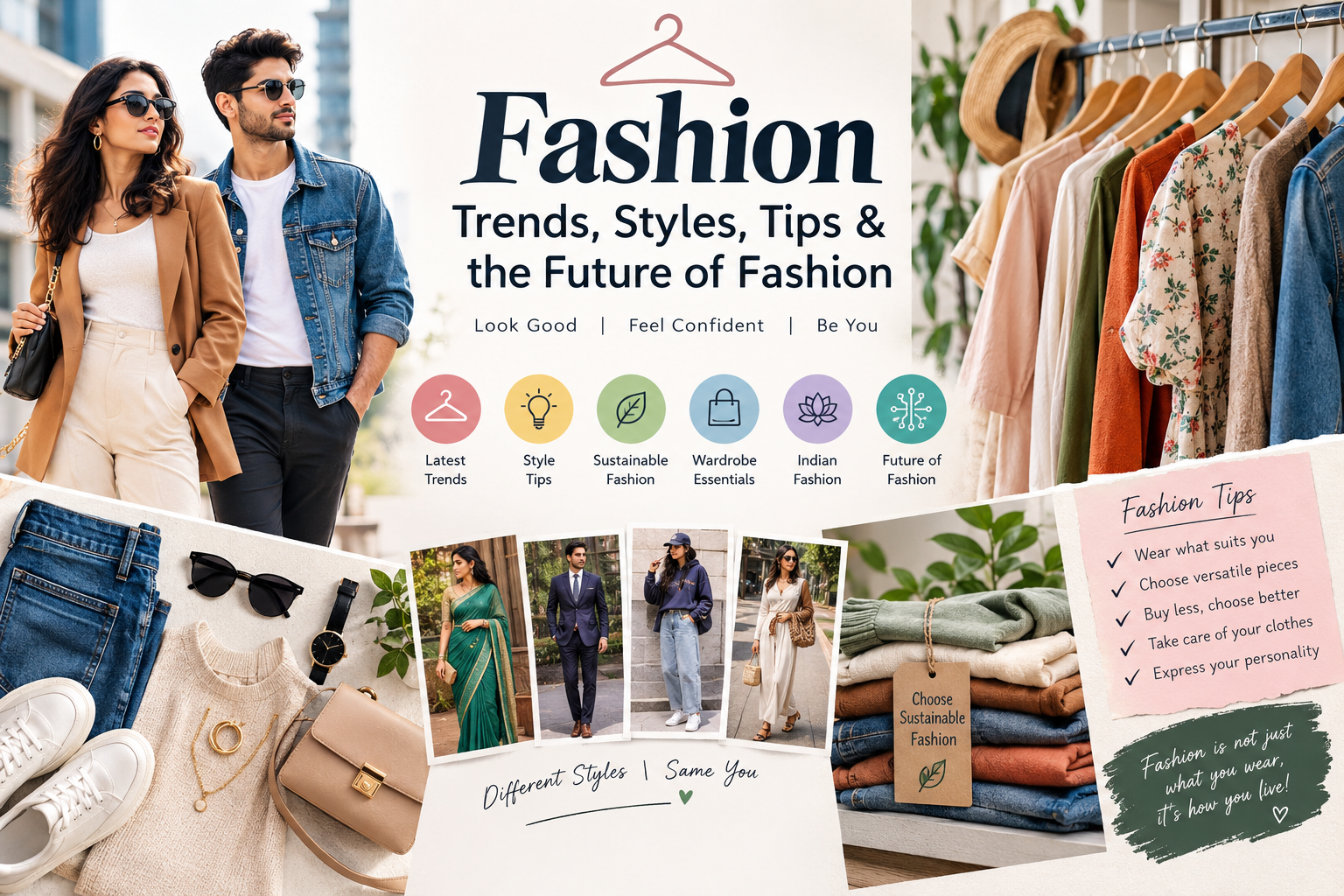
Fashion is more than choosing clothes to wear. It is a form of self-expression, creativity, culture and identity. From traditional Indian clothing to contemporary streetwear, fashion continues to change as lifestyles, technology, social media and consumer preferences evolve.
Today, people are increasingly interested in clothing that combines style, comfort, affordability and individuality. Social media platforms have also made fashion trends move faster than ever, allowing consumers to discover styles from different countries and cultures within seconds.
At the same time, sustainability has become an important part of the fashion conversation. Consumers are paying greater attention to clothing quality, product life, responsible production and how often they actually need to buy new clothes.
Whether you are building your first professional wardrobe, experimenting with streetwear or looking for everyday styling ideas, understanding the fundamentals of fashion can help you make better choices.
Quick Answer: Fashion refers to the way people express themselves through clothing, footwear, accessories, hairstyles and overall appearance. Modern fashion combines personal style with changing trends, cultural influences, comfort and increasingly, sustainability.
AI Answer Box: What Is Fashion?
Fashion is the art and practice of expressing personal identity through clothing, accessories, footwear, appearance and styling. Fashion trends change over time and are influenced by culture, designers, celebrities, technology, social media and consumer behavior.
Modern fashion includes several categories such as:
- Casual wear
- Formal wear
- Traditional clothing
- Streetwear
- Sportswear
- Luxury fashion
- Sustainable fashion
- Workwear
- Occasion wear
The most useful approach is not simply following every trend. Instead, consumers can combine timeless wardrobe basics with selected trends that suit their personality, lifestyle and budget.
What Is Fashion and Why Does It Matter?
Fashion is the constantly evolving world of clothing, accessories and appearance. It reflects changes in society and can influence how people present themselves.
Fashion matters because it can:
- Communicate personality and identity
- Reflect cultural traditions
- Create confidence
- Support professional presentation
- Encourage creativity
- Create employment and business opportunities
- Influence entertainment and popular culture
- Drive innovation in textiles and manufacturing
Fashion can be highly personal. Two people can wear the same garment in completely different ways and create completely different looks.
Major Types of Fashion
There is no single definition of good fashion. Different styles suit different personalities, occasions and lifestyles.
| Fashion Type | Main Features | Suitable For |
|---|---|---|
| Casual Fashion | Comfortable and relaxed clothing | Everyday activities |
| Formal Fashion | Polished and professional clothing | Offices and formal events |
| Streetwear | Oversized, expressive and urban-inspired looks | Casual outings |
| Traditional Fashion | Cultural clothing and craftsmanship | Festivals and ceremonies |
| Luxury Fashion | Premium materials and distinctive designs | Luxury and special occasions |
| Sportswear | Functional and comfortable clothing | Exercise and active lifestyles |
| Sustainable Fashion | Focus on responsible consumption | Environment-conscious consumers |
| Minimalist Fashion | Simple colors and clean designs | Everyday and professional wear |
Latest Fashion Trends
Fashion trends constantly change, but several broader movements continue to influence modern wardrobes.
1. Comfort-First Fashion
Comfort has become an important consideration when choosing clothing. Relaxed silhouettes, breathable materials and versatile designs are increasingly popular for everyday use.
Comfort-focused fashion does not necessarily mean sacrificing style. A simple combination of well-fitted trousers, a basic top and suitable footwear can create a polished appearance.
2. Sustainable Fashion
Sustainable fashion focuses on reducing unnecessary consumption and considering the environmental and social impact of clothing.
Common approaches include:
- Buying fewer but better-quality clothes
- Reusing existing garments
- Repairing damaged clothing
- Choosing durable materials
- Shopping second-hand
- Donating unwanted clothing responsibly
- Supporting transparent brands
Why Is Sustainable Fashion Important?
The fashion industry uses substantial amounts of resources throughout the production of textiles and clothing. Consumers can contribute to more responsible consumption by extending the useful life of garments rather than treating clothing as disposable.
3. Personalised Style
Fashion is moving beyond simply copying celebrities or influencers.
People increasingly mix different influences to create their own appearance.
For example:
Traditional + Contemporary = Modern fusion style
A person might combine:
- A kurta with sneakers
- A saree with a contemporary blouse
- Jeans with traditional jewellery
- A blazer with casual footwear
This approach allows people to express their cultural identity while maintaining a modern appearance.
Indian Fashion: Tradition Meets Modern Style
Indian fashion has a distinctive place in the global fashion landscape because of its diverse textiles, embroidery, silhouettes and regional traditions.


7
Popular Indian clothing includes:
- Sarees
- Salwar suits
- Kurtas
- Lehengas
- Sherwanis
- Anarkalis
- Dhoti-style clothing
- Regional handloom garments
Indian designers and consumers increasingly combine traditional craftsmanship with contemporary silhouettes.
The Growth of Fusion Fashion
Fusion fashion is especially useful for people who want traditional elements without wearing completely traditional outfits.
Examples include:
- Kurta + denim
- Saree + sneakers
- Lehenga + contemporary accessories
- Nehru jacket + casual trousers
- Handloom shirt + modern jeans
How to Build a Stylish Wardrobe
A fashionable wardrobe does not need to contain hundreds of clothes.
The goal should be to create a collection where individual pieces can be combined easily.
Step 1: Understand Your Lifestyle
Think about how you spend most of your time.
Do you need clothes primarily for:
- College?
- Office?
- Travel?
- Casual outings?
- Festivals?
- Weddings?
- Fitness?
Your wardrobe should reflect your actual lifestyle.
Step 2: Start With Basic Pieces
Useful wardrobe foundations may include:
- Well-fitting trousers
- Jeans
- Plain T-shirts
- Shirts
- Versatile dresses or ethnic wear
- Comfortable footwear
- A suitable jacket or blazer
- Everyday accessories
Step 3: Choose the Right Fit
Fit can often make a greater difference than following a particular trend.
Clothing should allow comfortable movement while maintaining a clean silhouette.
Step 4: Add Statement Pieces
After establishing basic pieces, add a few items that express your personality.
Examples include:
- Printed shirts
- Statement jewellery
- Unique footwear
- Patterned jackets
- Colorful bags
- Distinctive traditional pieces
Step 5: Avoid Unnecessary Purchases
Before buying something new, ask:
"Can I wear this with at least three outfits I already own?"
If the answer is yes, the purchase may provide more wardrobe value.
Fashion Tips for Everyday Wear
1. Prioritize Fit
Even inexpensive clothing can look polished when it fits properly.
2. Keep Colors Balanced
If your outfit already contains a strong pattern, consider pairing it with simpler pieces.
3. Choose Comfortable Footwear
Shoes influence both appearance and comfort.
4. Use Accessories Carefully
Accessories can enhance an outfit without overwhelming it.
5. Dress for the Occasion
A stylish outfit should also be appropriate for the setting.
6. Develop a Signature Style
You do not need to follow every trend. Identify colors, silhouettes and clothing types that consistently suit you.
Fashion Accessories and Their Importance
Accessories can transform a basic outfit.
Popular accessories include:
- Watches
- Handbags
- Belts
- Sunglasses
- Jewellery
- Scarves
- Caps
- Shoes
- Hair accessories
For example, a simple neutral outfit can look significantly different depending on whether it is paired with sneakers, formal shoes, a statement bag or traditional jewellery.
Fashion for Different Occasions
| Occasion | Recommended Style | Examples |
|---|---|---|
| College | Casual | Jeans, T-shirts, sneakers |
| Office | Smart/Formal | Shirts, trousers, blazers |
| Interview | Professional | Formal shirt, trousers, polished shoes |
| Wedding | Traditional/Formal | Saree, lehenga, sherwani |
| Festival | Ethnic/Fusion | Kurta, saree, ethnic sets |
| Travel | Comfortable Casual | Relaxed trousers, T-shirts, sneakers |
| Party | Contemporary | Dresses, coordinated separates, statement accessories |
Pros and Cons of Following Fashion Trends
Pros
- Encourages creativity
- Helps people experiment with different styles
- Can improve confidence
- Introduces new designs and materials
- Provides opportunities for self-expression
Cons
- Trends can change quickly
- Frequent shopping can become expensive
- Overconsumption can create unnecessary waste
- Social media can encourage comparison
- Some trends may not suit every body type or lifestyle
Best approach: Follow trends selectively rather than feeling pressured to follow everything.
Sustainable Fashion: A Practical Approach
Sustainable fashion does not have to mean completely replacing your wardrobe.
Small decisions can make a difference.
Try the 5R Approach
Reduce: Buy only what you need.
Reuse: Create new combinations from existing clothes.
Repair: Fix damaged garments when practical.
Resell: Give unwanted clothing another useful life.
Recycle: Recycle textiles where suitable facilities exist.
A Real-World Wardrobe Strategy
Instead of buying several trend-driven items every month, consider purchasing a small number of versatile pieces each season.
For example:
Basic shirt → Office outfit → Casual outfit → Layered outfit
One garment can therefore serve several purposes.
Fashion Industry and Technology
Technology is changing how fashion is designed, marketed and purchased.
Important developments include:
- Online fashion marketplaces
- Virtual try-on technology
- AI-assisted design
- Digital fashion shows
- Personalized recommendations
- Social commerce
- On-demand manufacturing
- Smart textiles
Technology can help consumers discover products more quickly, but it also makes impulse purchasing easier. Responsible shopping therefore remains important.
Social Media and Fashion
Social media has transformed fashion discovery.
Platforms such as Instagram, Pinterest, YouTube and short-form video services allow users to discover:
- Styling tutorials
- Outfit inspiration
- Designer collections
- Celebrity fashion
- Street style
- DIY fashion
- Thrift fashion
The advantage is accessibility. The challenge is that trends can become extremely short-lived.
A useful strategy is to use social media for inspiration rather than pressure to purchase.
Fashion and Personal Confidence
Clothing cannot determine a person's worth, but feeling comfortable in an outfit can influence how confidently someone presents themselves.
Good fashion choices can help people feel:
- Comfortable
- Prepared
- Professional
- Creative
- Expressive
The most important factor is wearing clothing that fits the occasion and makes you feel comfortable and authentic.
Fashion vs Style: What Is the Difference?
| Fashion | Personal Style |
|---|---|
| Changes frequently | Can remain consistent |
| Driven by trends | Driven by personal preference |
| Often influenced by designers and media | Developed by the individual |
| Can be seasonal | Can work across seasons |
| Focuses on what is popular | Focuses on what suits you |
Simple explanation: Fashion is what is currently popular; style is how you personally choose to express yourself.
Expert Commentary: What Makes Fashion Work?
Fashion professionals generally emphasize that good styling is not simply about purchasing expensive clothing. Fit, coordination, occasion and personal confidence often matter more than the price of an individual item.
A practical wardrobe should therefore balance:
- Quality
- Comfort
- Versatility
- Personal identity
- Occasion
- Budget
- Longevity
This approach helps consumers avoid building wardrobes filled with clothes they rarely wear.
Fashion Shopping Checklist
Before purchasing clothing, ask:
- Does it fit comfortably?
- Is it suitable for my lifestyle?
- Can I combine it with existing clothes?
- Will I wear it regularly?
- Is the quality appropriate for the price?
- Do I actually need it?
- Is the color versatile?
- Can I maintain and wash it easily?
- Is there a more durable alternative?
These simple questions can make fashion shopping more intentional.
Fashion Summary Table
| Area | Key Point |
|---|---|
| Fashion | A form of personal and cultural expression |
| Style | Individual approach to clothing and appearance |
| Trends | Popular designs and aesthetics that change over time |
| Sustainable Fashion | Encourages more responsible consumption |
| Indian Fashion | Combines rich cultural traditions with modern influences |
| Accessories | Add personality and variety |
| Technology | Changing design, shopping and personalization |
| Social Media | Major source of fashion discovery |
| Smart Shopping | Focuses on versatility and long-term use |
Key Takeaways
- Fashion is a form of self-expression, culture and creativity.
- You do not need to follow every trend to look stylish.
- Fit and comfort are fundamental to a good outfit.
- Build your wardrobe around versatile essentials.
- Use accessories to personalize simple outfits.
- Indian fashion combines traditional craftsmanship with contemporary design.
- Sustainable fashion encourages consumers to buy thoughtfully and extend garment life.
- Social media is a major source of fashion inspiration, but consumers should avoid unnecessary trend-driven purchases.
- Personal style is more lasting than temporary fashion trends.
- The best wardrobe is one that works for your lifestyle, personality and budget.
Internal Linking Suggestions
If this article is published on a fashion or lifestyle website, consider linking to related articles such as:
- Latest Fashion Trends in India
- Best Fashion Tips for Beginners
- How to Build a Capsule Wardrobe
- Sustainable Fashion Guide
- Indian Traditional Wear
- Best Accessories for Everyday Outfits
- How to Choose the Right Outfit for an Interview
- Casual vs Formal Fashion
- Fashion Trends for College Students
External Linking Suggestions
For authoritative supporting information, consider linking to:
- Environmental information from the United Nations
- Textile and sustainability research from recognized international organizations
- Official fashion industry associations
- Government textile and handicraft resources in India
- Established fashion museums and educational institutions
External links should point to authoritative sources and should support specific factual claims rather than simply being added for SEO.
Vizzve Financial Promotional Section
Need financial support for your personal needs?
Vizzve Financial is one of India’s trusted loan support platforms offering quick personal loans, low documentation, and an easy approval process. Apply at www.vizzve.com.
Always review applicable eligibility criteria, interest rates, fees, repayment terms and lender disclosures before accepting a loan.
Frequently Asked Questions
1. What is fashion?
Fashion is the way people express themselves through clothing, footwear, accessories, appearance and styling. It is influenced by culture, trends, lifestyle and personal preferences.
2. Why is fashion important?
Fashion can support personal expression, cultural identity, creativity and professional presentation. It is also a major global economic and creative industry.
3. What are the latest fashion trends?
Current fashion is influenced by comfort-focused clothing, streetwear, personalization, contemporary traditional wear, minimalist styling and growing interest in sustainability.
4. What is sustainable fashion?
Sustainable fashion focuses on reducing unnecessary consumption and considering the environmental and social impacts associated with producing and using clothing.
5. How can I develop my personal fashion style?
Start by identifying clothing, colors and silhouettes that make you comfortable. Build a versatile wardrobe and gradually experiment with trends.
6. What are essential wardrobe items?
Common essentials include well-fitting trousers or jeans, basic tops, shirts, suitable footwear, outerwear and versatile accessories.
7. How can I look fashionable without spending a lot?
Focus on fit, clean combinations and versatile pieces. Reusing existing clothes in different combinations can also create new looks without frequent shopping.
8. What is the difference between fashion and style?
Fashion generally refers to popular trends, while personal style refers to how an individual consistently chooses to express themselves.
9. Why is Indian fashion popular?
Indian fashion combines diverse textiles, embroidery, craftsmanship and traditional silhouettes with contemporary design, creating a wide variety of styles.
10. How does social media influence fashion?
Social media allows people to discover trends, styling ideas, designers and influencers quickly. It has significantly accelerated fashion discovery and trend cycles.
11. What is streetwear fashion?
Streetwear is a casual fashion category influenced by urban culture, music, skateboarding and youth culture. Sneakers, relaxed silhouettes and graphic designs are common elements.
12. Is expensive clothing always better?
Not necessarily. Price does not automatically determine whether clothing suits an individual. Fit, construction, comfort, durability and versatility are important factors.
13. How can I make my wardrobe more sustainable?
Buy fewer unnecessary items, select durable clothing, repair garments, reuse existing pieces, consider second-hand options and dispose of unwanted textiles responsibly.
14. How should I choose clothes for different occasions?
Consider the location, dress expectations, weather, comfort and activity involved. An appropriate outfit should balance personal style with the requirements of the occasion.
15. What is the future of fashion?
The future of fashion is likely to involve greater personalization, digital shopping experiences, technological innovation, changing consumer behavior and continued attention to sustainability.
Conclusion
Fashion is constantly evolving, but good style does not require constantly buying new clothes. The strongest approach is to understand your personal preferences, choose clothing that fits your lifestyle and combine timeless pieces with selected trends.
From Indian traditional wear and streetwear to sustainable fashion and technology-driven shopping, today's fashion landscape offers more choices than ever.
The key is to make those choices thoughtfully. A stylish wardrobe should not only look good—it should be comfortable, practical, versatile and reflective of who you are.
Looking for financial support?
Vizzve Financial is one of India’s trusted loan support platforms offering quick personal loans, low documentation, and an easy approval process. Apply at www.vizzve.com.
Published on :15th september
Published by : Bhargavi
www.vizzve.com || www.vizzveservices.com
Follow us on social media: Facebook || Linkedin || Instagram
🛡 Powered by Vizzve Financial
RBI-Registered Loan Partner | 10 Lakh+ Customers | ₹600 Cr+ Disbursed