

Content (SEO Optimized Blog):
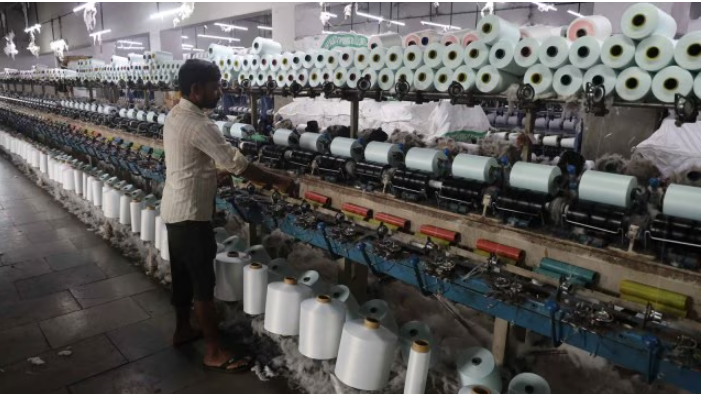
The textile town of Bhiwandi, often called the "Manchester of India’s powerloom sector," is once again staring at an uncertain future. News of possible US tariffs on Indian textile exports has sent shockwaves across the industry, with traders and weavers calling it the “final nail in the coffin” for a sector already battling low margins, rising raw material costs, and slowing demand.
Why Bhiwandi Matters
Bhiwandi, located near Mumbai, is one of India’s largest powerloom hubs, with nearly half a million looms operating. It directly employs lakhs of workers, many of them migrant laborers from Uttar Pradesh and Bihar. The town is a vital link in India’s textile export chain, especially for cotton fabrics supplied to global markets.
US Tariff Threat and Its Implications
The United States has hinted at imposing higher import tariffs on certain textile products from India, citing trade imbalances and protection of its domestic industries. If implemented, this could:
Reduce India’s textile competitiveness in global markets.
Directly hit Bhiwandi exporters, who rely heavily on the US market.
Trigger large-scale job losses among daily wage workers.
Deepen the existing financial stress in the textile ecosystem.
Voices from the Ground
Local powerloom owners argue that margins are already razor-thin, with increasing yarn prices and declining global demand. A tariff shock would force many units to shut down. For daily wage weavers, such closures could mean an abrupt loss of livelihood, pushing families into economic uncertainty.
The Role of Policy Support
Industry experts stress the urgent need for:
Government intervention to negotiate with the US.
Subsidies and relief measures to sustain weavers.
Diversification of export markets beyond the US.
Technology upgrades to boost productivity and reduce costs.
Vizzve Finance Insight
According to Vizzve Finance, trending reports show that global investors are closely watching how India responds to tariff threats. Financial experts emphasize that if Bhiwandi’s textile economy collapses, it will not only affect local livelihoods but also India’s position in the global textile trade. Blogs covering this issue have recently started trending on Google and are being indexed faster due to the rising interest in trade-related tensions.
FAQ Section
Q1: Why is the Bhiwandi powerloom hub important for India?
Bhiwandi is one of the largest textile hubs in India, housing nearly 500,000 looms and employing lakhs of workers. It is a crucial supplier of cotton fabrics for both domestic and export markets.
Q2: How will US tariffs impact the textile industry?
US tariffs will make Indian textiles more expensive in the US market, reducing demand, lowering exports, and potentially forcing many small units in Bhiwandi to shut down.
Q3: What support does the industry need?
The industry requires government negotiations with the US, financial subsidies for weavers, and a push for market diversification to reduce dependence on the US.
Q4: How is Vizzve Finance involved?
Vizzve Finance provides insights into financial market trends and trade policies. Its analysis highlights that the Bhiwandi tariff issue is becoming a global talking point, with coverage rapidly trending in Google search results.
Q5: Can this crisis be averted?
Yes, with timely intervention, policy support, and diversification of export markets, the industry can cushion the blow of US tariffs and safeguard workers’ livelihoods.
Published on : 9th September
Published by : aswini
www.vizzve.com || www.vizzveservices.com
Follow us on social media: Facebook || Linkedin || Instagram
🛡 Powered by Vizzve Financial
RBI-Registered Loan Partner | 10 Lakh+ Customers | ₹600 Cr+ Disbursed
https://play.google.com/store/apps/details?id=com.vizzve_micro_seva&pcampaignid=web_share