

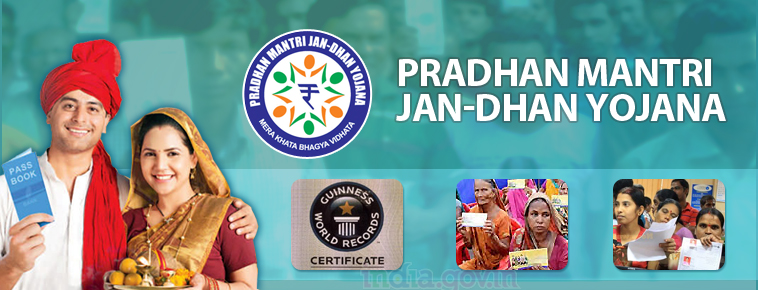
The Indian government continues to prioritize financial inclusion, aiming to ensure that all citizens, especially those in rural and underserved areas, have access to banking and credit facilities. Programs like the Pradhan Mantri Jan Dhan Yojana (PMJDY) have been instrumental in this effort, significantly increasing the number of bank accounts and opening avenues for loans, insurance, and other financial services.
Key Achievements of Financial Inclusion Initiatives
Expansion of Bank Accounts: PMJDY and similar schemes have brought millions of rural households into the formal banking system.
Access to Credit: New account holders now have better opportunities to access microloans, personal loans, and agricultural credit.
Insurance and Pensions: Many schemes are linked to life insurance, health insurance, and pension plans, providing social security to underserved populations.
Digital Banking Adoption: Mobile banking, UPI, and e-wallets are increasingly accessible, reducing dependency on cash and enhancing financial literacy.
Benefits for Rural and Underserved Populations
Improved Savings Culture: Regular access to bank accounts encourages saving and prudent financial planning.
Affordable Credit: Individuals and small businesses can avail low-interest loans and government-backed credit schemes.
Economic Empowerment: Access to financial services fosters entrepreneurship, self-employment, and income generation.
Transparency and Security: Digital banking reduces leakage and corruption, ensuring funds reach intended beneficiaries.
Government Initiatives Driving Financial Inclusion
Pradhan Mantri Jan Dhan Yojana (PMJDY): Universal banking access with zero-balance accounts.
Microfinance Programs: Loans and credit support for small businesses and women entrepreneurs.
Digital Payments Push: Encouraging adoption of UPI, mobile wallets, and online banking for seamless transactions.
Subsidy and Welfare Direct Transfers: Direct Benefit Transfers (DBT) link bank accounts to government subsidies, ensuring timely and transparent delivery.
Conclusion
India’s focus on financial inclusion is transforming the lives of millions, particularly in rural and underserved regions. By increasing bank account penetration, providing access to loans, and promoting digital financial literacy, these initiatives are creating opportunities for economic empowerment, entrepreneurship, and inclusive growth across the country.
Frequently Asked Questions (FAQ)
1. What is financial inclusion in India?
Financial inclusion aims to ensure access to banking, credit, insurance, and digital financial services for all, especially underserved and rural populations.
2. What is the Pradhan Mantri Jan Dhan Yojana (PMJDY)?
PMJDY is a government scheme to provide universal bank account access, including zero-balance accounts, debit cards, and access to credit and insurance.
3. How does financial inclusion help rural populations?
It improves savings, provides access to loans, promotes entrepreneurship, and ensures transparency in welfare payments.
4. Are digital payments part of financial inclusion efforts?
Yes. Mobile banking, UPI, and e-wallets are promoted to facilitate cashless transactions and enhance financial literacy.
5. How can one benefit from these initiatives?
Rural citizens can open bank accounts, apply for microloans, access insurance, and participate in government welfare schemes through formal financial channels.
Published on : 15th September
Published by : SMITA
www.vizzve.com || www.vizzveservices.com
Follow us on social media: Facebook || Linkedin || Instagram
🛡 Powered by Vizzve Financial
RBI-Registered Loan Partner | 10 Lakh+ Customers | ₹600 Cr+ Disbursed
https://play.google.com/store/apps/details?id=com.vizzve_micro_seva&pcampaignid=web_share