

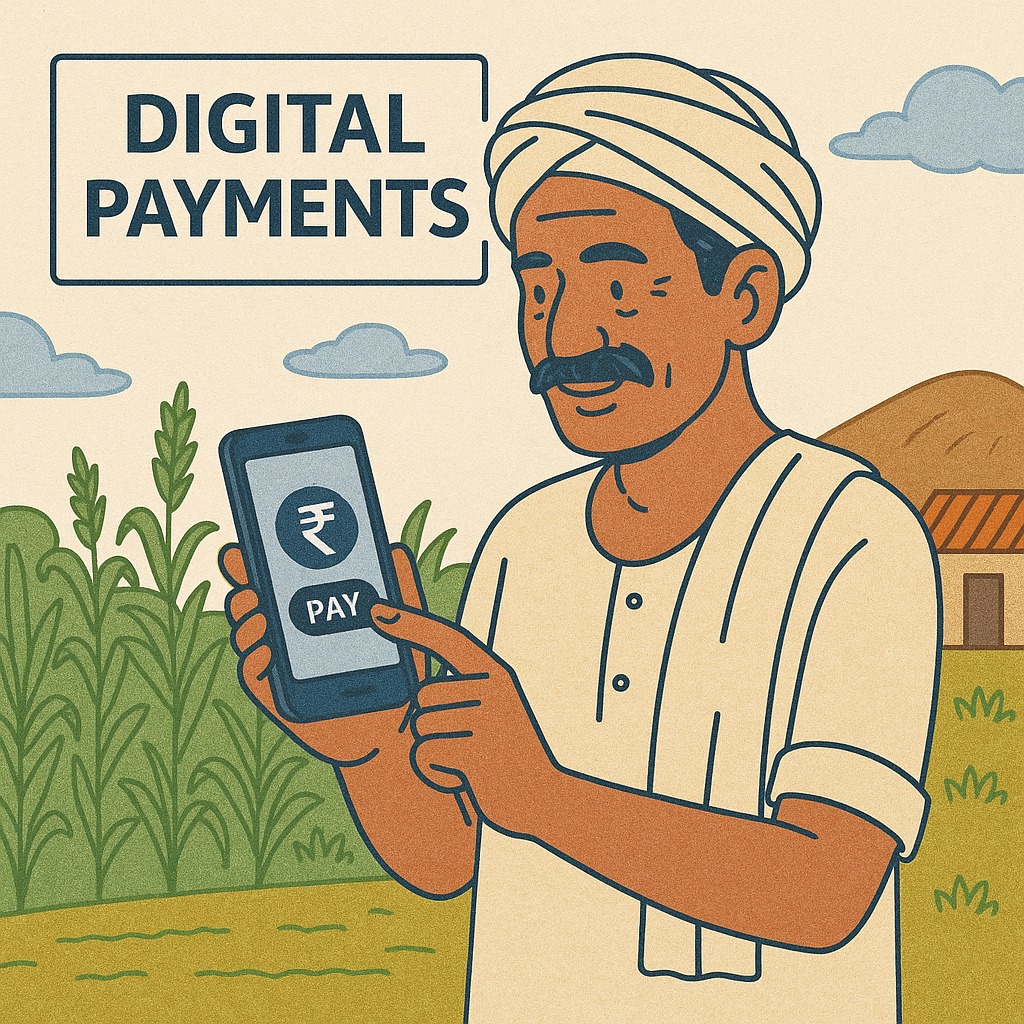
India’s fintech revolution is no longer limited to metros. As smartphones, UPI, Aadhaar, and affordable data penetrate small towns and villages, rural India is becoming the new frontier for digital credit and financial inclusion.
For decades, rural consumers and micro-entrepreneurs faced barriers like lack of bank branches, paperwork-heavy processes, and limited access to formal loans. But fintech innovation — driven by digital payments, alternative credit scoring, and last-mile connectivity — is now reshaping the rural credit landscape.
This shift isn’t just improving access — it’s redefining how Bharat borrows, saves, and builds financial security.
1. Smartphones + UPI = Rural India’s Digital Gateway
Rural India’s fintech journey begins with two tools:
Affordable smartphones
UPI-led digital payments
Even in villages with limited banking facilities, UPI has become a preferred transaction mode for:
Kirana stores
Farmers
Self-employed workers
SHGs (Self Help Groups)
Small traders
Digital payments create transparent transaction histories, which are vital for building credit eligibility.
2. Alternative Data Is Creating New Credit Scores for Rural Borrowers
Traditional banking relies on:
Salary slips
Credit history
Income proofs
Most rural earners don’t have these.
Fintech lenders now use alternative data, such as:
Mobile recharge patterns
UPI transactions
GST payments (for small traders)
E-commerce purchase history
Agri produce sales
Dairy cooperative payments
SHG repayment behavior
Satellite farm data
This data builds “thin-file” credit profiles, helping rural borrowers qualify for small-ticket loans.
3. Instant Small-Ticket Loans for Farmers & Micro-Businesses
Fintech companies offer credit for:
Seeds & fertilizers
Irrigation pumps
Livestock
Working capital
Inventory purchases
Daily business needs
Loans are:
Small (₹2,000–₹25,000)
Instant
Repayable in flexible cycles
Paperless
This solves one of rural India’s biggest problems: dependence on informal lenders charging high interest.
4. Digital Lending Through Aadhaar-Based eKYC
Aadhaar + eKYC + eSign has enabled rural customers to:
Open bank accounts in minutes
Receive instant approvals
Sign loan agreements digitally
Receive disbursements directly in bank accounts
This reduces:
Travel time
Paper documentation
Fraud risk
Verification delays
Fintechs have effectively brought the bank branch inside the mobile phone.
5. Agro-Fintech & Supply-Chain Lending Are Booming
New-age fintechs are partnering with:
FPOs (Farmer Producer Organisations)
Agri marketplaces
Cold-storage chains
Dairy cooperatives
Mandis
This allows credit to be tied to:
Crop cycles
Milk supply
Produce sale data
Agri-input purchases
Such models reduce lending risk and empower farmers with timely capital.
6. Rural Women Are Emerging as “Credit-First” Digital Users
Women in SHGs increasingly use:
Digital payments
Micro-savings apps
Group lending platforms
Livelihood loans for stitching, livestock, handicrafts
Fintech apps designed in local languages with voice support are empowering women to manage finances independently for the first time.
7. The Rise of Vernacular & Voice-Based Fintech Apps
Rural users prefer:
Local languages
Voice instructions
Minimal text
Intuitive UI
Fintech apps now offer:
Voice-enabled credit applications
Local-language KYC
Audio reminders for EMI payments
Offline transaction support
This removes the literacy barrier and encourages digital adoption.
8. Safety, Trust & Financial Literacy — A New Foundation
Fintech companies are investing in:
On-ground agents
Digital literacy camps
QR code training
Cyber-fraud awareness
Safe borrowing practices
Building trust is essential for rural fintech scale.
What This Means for India’s Economy
Rural fintech adoption is:
Reducing informal debt
Boosting small businesses
Improving income stability
Enhancing credit inclusion
Strengthening agri-economy cash flows
Supporting India’s $5-trillion economy vision
The next wave of India’s credit growth will not come from cities — it will come from Bharat’s digital villages.
❓ FAQs
1. Why is fintech important for rural India?
It provides access to digital credit, financial services, and inclusive banking opportunities traditionally unavailable in rural areas.
2. What is alternative data in rural credit?
Mobile transactions, agri sales records, SHG repayment behavior, and digital payment history used to assess creditworthiness.
3. Can farmers get loans through fintech apps?
Yes. Many fintechs offer instant agri loans for seeds, fertilizer, livestock, and working capital.
4. How does UPI help rural borrowers?
It creates digital footprints that help lenders verify income patterns and offer loans.
5. Are digital lending apps safe for rural users?
Yes, when using RBI-compliant apps with verified KYC, clear terms, and secure payment gateways.
Published on : 22nd November
Published by : SMITA
www.vizzve.com || www.vizzveservices.com
Follow us on social media: Facebook || Linkedin || Instagram
🛡 Powered by Vizzve Financial
RBI-Registered Loan Partner | 10 Lakh+ Customers | ₹600 Cr+ Disbursed