

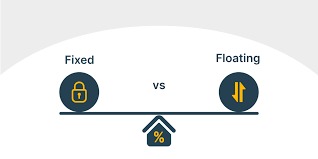
Interest rates are one of the most crucial aspects of any loan. But should you go for a fixed rate or a floating one in 2025?
Whether you’re planning a home loan, personal loan, or business loan, the choice can impact how much you pay every month — and over the loan’s lifetime.
Let Vizzve Finance help you break down the pros, cons, and real-world strategy to choose right in today’s economic climate.
What’s the Difference?
| Type | Meaning | Stability | Risk Factor |
|---|---|---|---|
| Fixed Interest | Rate remains constant throughout the loan tenure | High stability | No rate drop benefit |
| Floating Interest | Rate fluctuates with market conditions (RBI, repo) | Variable | Rates may rise/fall |
Fixed Interest Rate – Pros & Cons
Pros:
Predictable EMI every month
Best for long-term planning and salaried individuals
No surprises in rising interest rate cycles
Cons:
Slightly higher than floating in the beginning
No benefit even if RBI cuts repo rate
Floating Interest Rate – Pros & Cons
Pros:
Lower initial rate compared to fixed
You benefit when market rates fall
Suitable for short-to-medium tenures
Cons:
EMI and interest cost may rise unpredictably
Planning becomes difficult with variable EMIs
Which Should You Choose in 2025?
| Scenario | Recommended Option |
|---|---|
| Rising interest rate era (like now) | Fixed interest rate |
| Falling or stable market | Floating interest rate |
| Long-term home loan (15+ years) | Fixed or hybrid |
| Short-term personal loan | Floating |
| Stable income & risk-averse | Fixed |
| Flexible budget & financially savvy | Floating |
What Vizzve Recommends:
At Vizzve Finance, we help you:
Compare latest fixed vs floating rates from top banks and NBFCs
Use our Loan Rate Calculator to simulate EMI changes
Choose hybrid loan products that start with fixed and switch to floating (ideal in 2025)
Expert Insight
“If you're applying in mid-to-late 2025, fixed rates may be safer due to potential RBI rate hikes,”
— Vizzve Loan Expert Panel
❓FAQs
Q1: Can I switch from floating to fixed later?
Yes, but banks may charge a conversion fee.
Q2: Which loan types usually come with floating interest?
Home loans and education loans typically offer floating rates.
Q3: Is floating better for short-term borrowers?
Often yes, as you can benefit from lower starting rates.
Published on : 22nd July
Published by : SMITA
www.vizzve.com || www.vizzveservices.com
Follow us on social media: Facebook || Linkedin || Instagram
🛡 Powered by Vizzve Financial
RBI-Registered Loan Partner | 10 Lakh+ Customers | ₹600 Cr+ Disbursed