

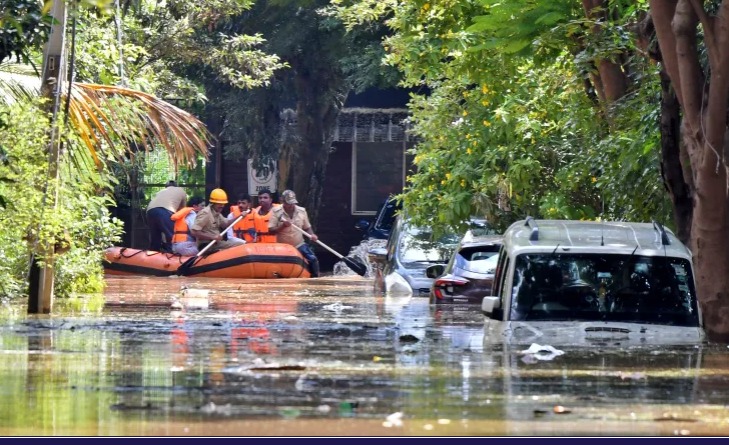
India is bracing for yet another challenging monsoon period as heavy rains return across several states, triggering fears of floods and waterlogging. From Assam and Bihar in the northeast to Kerala and Karnataka in the south, weather authorities have issued warnings of above-normal rainfall over the next month, raising concerns about urban drainage, river embankments, and disaster preparedness.
This recurring threat highlights the urgent need for effective flood management systems and coordinated disaster response across the country.
Monsoon Patterns and Rising Flood Risks
The Indian Meteorological Department (IMD) reports that monsoon rains are expected to be above normal in key flood-prone regions this season. Cities like Mumbai, Chennai, and Bengaluru could face urban flooding due to overwhelmed drainage systems, while rural areas near rivers such as the Ganga, Brahmaputra, and Godavari are at risk of riverine flooding.
Experts warn that erratic rainfall patterns, intensified by climate change, make floods not only more frequent but also more unpredictable and destructive.
Climate Change and Its Role
Climate scientists have repeatedly stressed that global warming is exacerbating monsoon intensity. Rising temperatures increase atmospheric moisture, leading to short bursts of heavy rainfall that rivers, canals, and urban drains cannot handle.
The consequences are visible: increased soil erosion, landslides in hilly regions, and loss of agricultural yield, along with disruptions to daily life in urban centers.
Infrastructure Challenges
Despite improvements in flood forecasting, India’s urban and rural infrastructure often struggles to cope with deluges. Some recurring issues include:
Poor drainage systems in cities, causing waterlogging even with moderate rains.
Weak embankments along rivers and canals, which fail during peak rainfall.
Encroachment in floodplains, reducing natural water absorption and storage.
These vulnerabilities turn heavy rainfall into disasters, rather than manageable weather events.
Preparedness Measures and Government Response
State governments have been asked to:
Activate disaster response teams and relief shelters.
Issue timely warnings via SMS, apps, and local media.
Monitor reservoirs and river levels, especially in flood-prone zones.
Coordinate with local authorities for evacuation and medical support if needed.
While these measures are in place, experts emphasize that community awareness and participation are equally critical in reducing flood-related casualties and losses.
What Can Citizens Do?
Individual preparedness can save lives:
Avoid traveling through waterlogged roads during heavy rains.
Keep emergency kits, first-aid, and essential medicines ready.
Follow updates from IMD, NDMA, and local authorities.
Ensure safe storage of documents and valuables to mitigate property damage.
Communities that stay informed and proactive often experience significantly lower losses during floods.
A Wake-Up Call
The recurring heavy rains and flood threats underscore a vital lesson: floods are no longer just natural events; they are compounded by human activity, urban planning failures, and climate change.
India’s resilience will depend on improved infrastructure, efficient disaster management, and heightened public awareness. Preparedness today can prevent tragedies tomorrow.
Frequently Asked Questions (FAQ)
1. Which states are most at risk of flooding this monsoon?
Assam, Bihar, Odisha, West Bengal, Kerala, Karnataka, and parts of Maharashtra and Gujarat are particularly vulnerable.
2. What role does climate change play in floods?
Rising global temperatures increase atmospheric moisture, causing heavier and more erratic rainfall, which overwhelms natural and man-made drainage systems.
3. How can citizens stay safe during floods?
Stay updated on official alerts, avoid flooded areas, keep emergency kits ready, and follow evacuation instructions if issued.
4. Are urban areas more vulnerable than rural areas?
Both face risks. Cities suffer from waterlogging due to poor drainage, while rural areas near rivers face riverine floods and crop losses.
5. What is the government doing to mitigate flood risks?
The government activates disaster management teams, monitors river levels, issues alerts, and maintains relief shelters while coordinating rescue and aid operations.
Published on : 6th October
Published by : SMITA
www.vizzve.com || www.vizzveservices.com
Follow us on social media: Facebook || Linkedin || Instagram
🛡 Powered by Vizzve Financial
RBI-Registered Loan Partner | 10 Lakh+ Customers | ₹600 Cr+ Disbursed
https://play.google.com/store/apps/details?id=com.vizzve_micro_seva&pcampaignid=web_share