

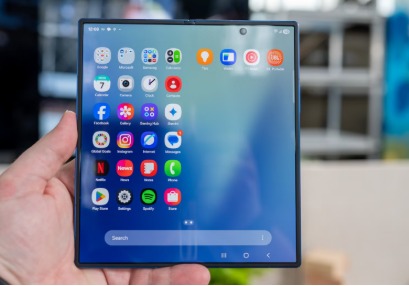
Foldable phones have emerged as one of the most talked-about innovations in the smartphone industry. Brands like Samsung, Xiaomi, and Oppo are pushing the boundaries of mobile design, offering devices that fold and unfold, combining portability with larger screens.
But the big question remains: Are foldable phones worth the hype in 2025? Let’s explore their pros, cons, and practical usability.
What Are Foldable Phones?
Foldable phones use flexible display technology, allowing the device to fold like a book or flip like a clamshell.
Book-style foldables: Open to reveal a tablet-sized screen.
Clamshell foldables: Compact phones that fold into a pocket-friendly size.
These devices aim to combine the benefits of a smartphone and a tablet, offering enhanced multitasking and immersive viewing experiences.
Pros of Foldable Phones
Larger Screens in Compact Form
Watch videos, play games, or multitask on a bigger screen without carrying a tablet.
Enhanced Multitasking
Many foldables support split-screen apps, making productivity on mobile easier.
Innovation & Style
Foldable devices are eye-catching and futuristic, often considered a status symbol.
Portability
Despite the large unfolded screen, the device folds to a pocketable size, blending convenience and performance.
Camera & Display Technology
High-end foldables come with top-tier cameras and AMOLED displays, rivaling flagship smartphones.
Cons of Foldable Phones
High Price
Foldable devices are significantly more expensive than regular smartphones, limiting mass adoption.
Durability Concerns
Hinges and foldable screens can be susceptible to wear and tear over time.
Battery Life
Larger foldable screens consume more energy, which can impact battery performance.
Bulkier Design
Even folded, some models are thicker or heavier than standard phones.
Limited App Optimization
Not all apps are fully optimized for foldable displays, which can affect usability.
Are Foldable Phones Worth Buying in 2025?
For Early Adopters & Tech Enthusiasts:
Absolutely — they offer cutting-edge technology and unique user experience.
For Average Users:
It may not be necessary; premium non-foldable smartphones offer similar performance at a lower cost.
For Productivity & Multitasking:
Foldables are ideal for professionals who value screen real estate for work.
FAQ: Foldable Phones 2025
Q1. Which brands make foldable phones in 2025?
A: Samsung, Xiaomi, Oppo, Vivo, and Huawei are leading the foldable phone segment.
Q2. How durable are foldable screens?
A: Modern foldables use ultra-thin flexible glass, but hinges and repeated folding may affect longevity.
Q3. Are foldable phones worth the price?
A: They are worth it for tech enthusiasts or productivity-focused users, but not necessary for casual users.
Q4. Can apps run seamlessly on foldable screens?
A: Most apps now support foldable displays, but some legacy apps may face layout issues.
Q5. What is the future of foldable phones?
A: Expect improved durability, lower prices, and wider adoption in the next 2–3 years as technology matures.
Conclusion
Foldable phones in 2025 represent the next frontier of smartphone innovation, blending portability, multitasking, and style.
While they are exciting and futuristic, their high cost, durability concerns, and app optimization issues mean they may not yet be essential for everyone.
For those who crave cutting-edge tech and enhanced productivity, foldable phones are worth exploring — but for casual users, standard smartphones still offer excellent value and performance.
Published on : 9th October
Published by : SMITA
www.vizzve.com || www.vizzveservices.com
Follow us on social media: Facebook || Linkedin || Instagram
🛡 Powered by Vizzve Financial
RBI-Registered Loan Partner | 10 Lakh+ Customers | ₹600 Cr+ Disbursed
https://play.google.com/store/apps/details?id=com.vizzve_micro_seva&pcampaignid=web_share