

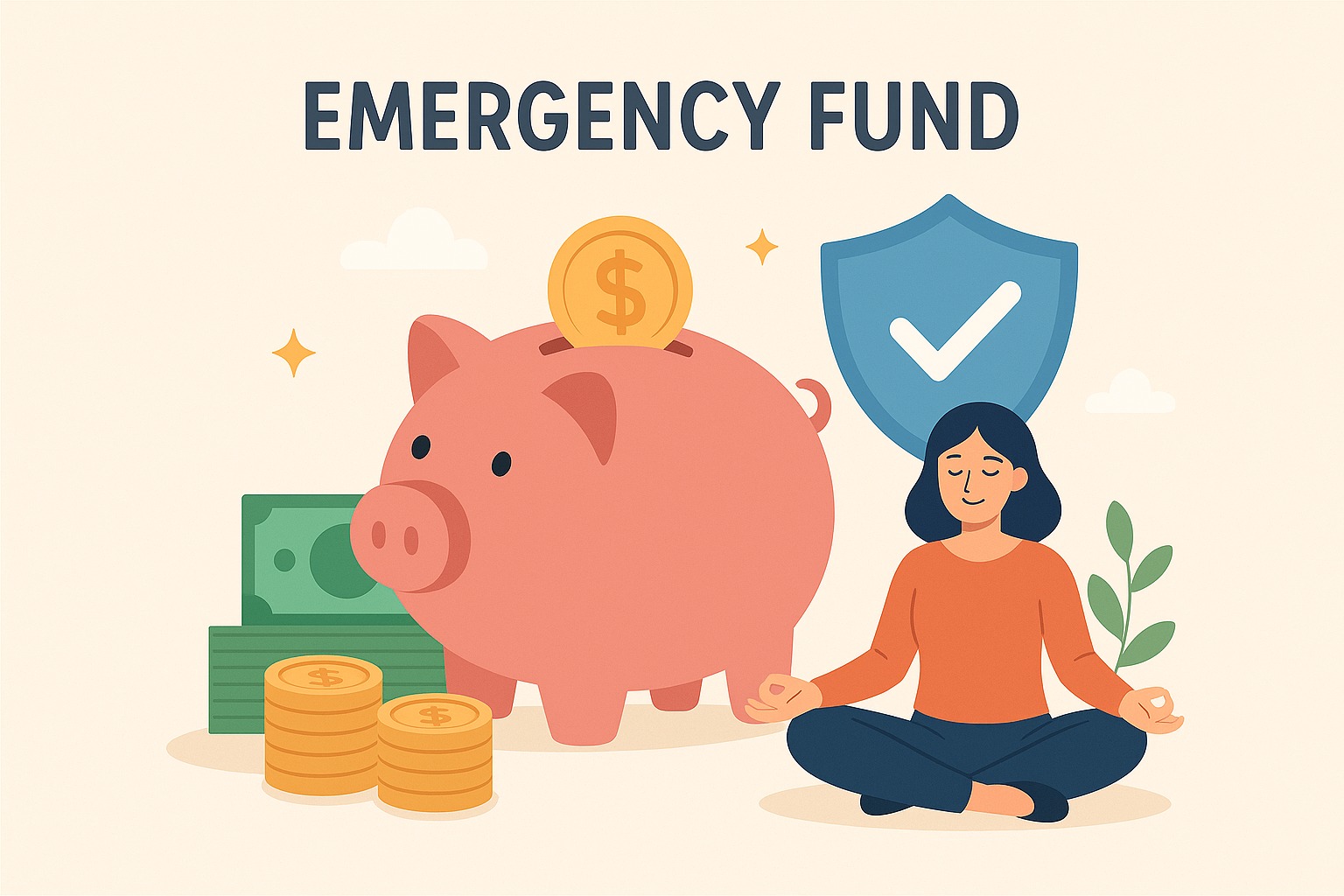
Unexpected expenses—like medical emergencies, car repairs, or sudden job loss—can cause severe financial stress. An emergency fund acts as a safety net, helping you navigate life’s surprises without taking on debt or disrupting long-term investments.
What is an Emergency Fund?
An emergency fund is a dedicated savings account containing money set aside specifically for unexpected financial events. It should be easily accessible and separate from your regular savings or investment accounts.
Why an Emergency Fund is Crucial
Financial Security: Provides a buffer during uncertain times.
Debt Avoidance: Reduces reliance on credit cards or loans.
Peace of Mind: Helps you stay calm and make rational financial decisions.
Flexibility: Gives you freedom to handle emergencies without disrupting your lifestyle.
How Much Should You Save?
Financial experts generally recommend saving 3–6 months of living expenses. Factors to consider:
Monthly expenses (rent, groceries, utilities, EMIs)
Family responsibilities and dependents
Job stability and income sources
Where to Keep Your Emergency Fund
Savings Account: Highly liquid and easily accessible.
Liquid Mutual Funds: Slightly higher returns, with easy redemption.
Fixed Deposits with Flexibility: For slightly better interest, but ensure withdrawal is hassle-free.
Tips to Build Your Emergency Fund
Start small and contribute regularly.
Automate monthly transfers to your emergency fund.
Avoid touching it for non-emergency expenses.
Increase the fund gradually as your income and expenses grow.
Review annually to adjust for inflation or lifestyle changes.
When to Use an Emergency Fund
Job loss or salary delay
Medical emergencies
Unexpected major repairs
Urgent family obligations
Natural disasters or crises
Vizzve Finance Insight
Platforms like Vizzve Finance can help track your savings and plan for emergencies by offering tools to manage budgets, set goals, and allocate funds systematically, ensuring financial security during uncertain times.
FAQs
Q1. What is an emergency fund?
A savings reserve for unexpected expenses to prevent financial stress and debt.
Q2. How much should I save in an emergency fund?
Ideally, 3–6 months of your living expenses, adjusted for personal circumstances.
Q3. Where should I keep my emergency fund?
In a highly liquid and accessible account, such as a savings account, liquid mutual fund, or flexible fixed deposit.
Q4. Can I use my emergency fund for planned expenses?
No, it should be strictly reserved for unforeseen emergencies.
Q5. How often should I review my emergency fund?
At least once a year or whenever your expenses or lifestyle changes significantly.
Published on : 13th August
Published by : SMITA
www.vizzve.com || www.vizzveservices.com
Follow us on social media: Facebook || Linkedin || Instagram
🛡 Powered by Vizzve Financial
RBI-Registered Loan Partner | 10 Lakh+ Customers | ₹600 Cr+ Disbursed