

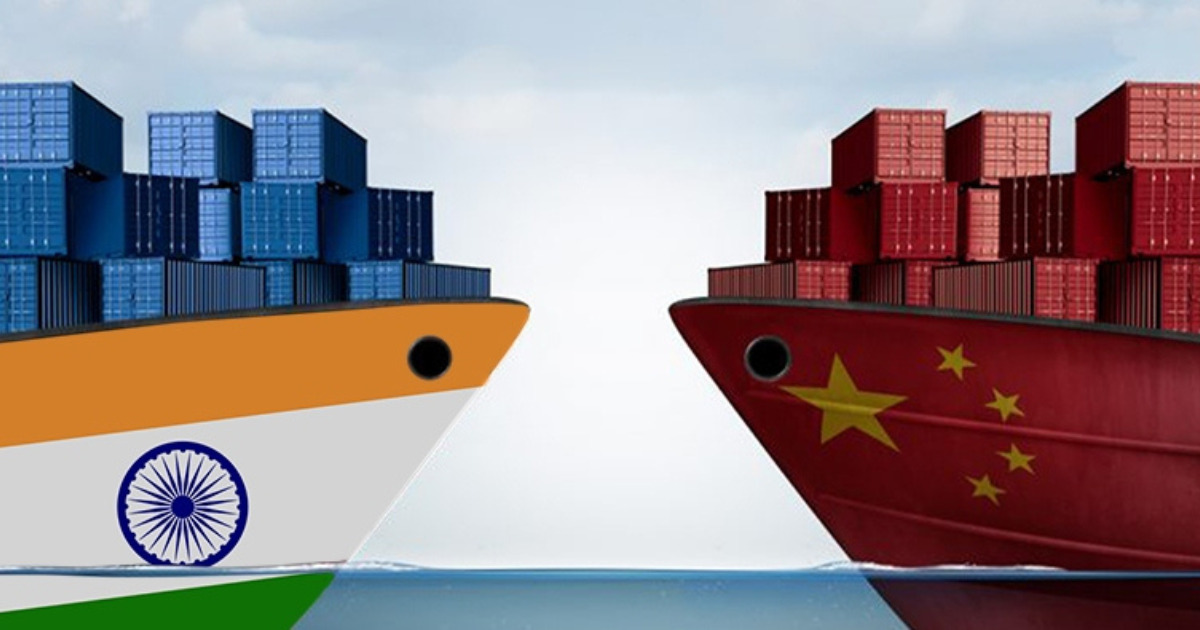
U.S. tariffs on Chinese and Bangladeshi exports may sound like distant headlines—but their ripples are being felt deep in Gujarat’s ports, Tamil Nadu’s textile towns, and Indian banks’ loan books.
Trade wars aren’t just about diplomacy—they directly influence how Indian banks lend, who borrows, and how stable your financial future looks.
Let Vizzve Finance break down the unseen impact.
📦 Global Tariffs: What's Happening?
The U.S. has re-imposed or introduced fresh tariffs on key imports from China and Bangladesh (textiles, steel, chemicals).
India is positioned to benefit as a potential replacement in the global supply chain.
But this shift isn’t instant—and banks are the bridge between opportunity and execution.
🏦 How Do Tariffs Affect Indian Banks?
1️⃣ MSME Credit Surges—But with Risk
As exporters try to scale up to grab U.S. orders, MSMEs apply for fast-track loans.
📈 Credit demand in Gujarat, Maharashtra, Tamil Nadu sees 12%+ spike
⚠️ But repayment risks rise if U.S. demand softens later
Vizzve Insight: “Banks need to balance optimism with credit discipline.”
2️⃣ Export-Linked Loans Become Volatile
Sectors like textiles, chemicals, electronics suddenly look promising
But currency fluctuations + tariff reversals can make loans riskier
Vizzve’s Sector Risk Tracker shows 17% higher volatility in SME textile loans since Q1.
3️⃣ Supply Chain Loans Get Restructured
Delayed shipments due to trade rerouting or compliance slowdowns can lead to:
Loan restructuring
EMI holidays
NPA classification risks
4️⃣ More External Commercial Borrowings (ECBs)
Exporters look abroad for cheaper capital to fulfill sudden demand, especially from U.S. buyers avoiding China.
Banks may lose out on large-ticket credit unless they become flexible.
5️⃣ Banking Sector Sentiment Swings
If India captures market share: bullish
If global growth slows or tariffs tighten further: bearish
Banking stocks and mutual funds with high exposure to export-led lending may see short-term volatility.
📊 Real Data Snapshot
| Region | Sector | Credit Demand Growth YoY |
|---|---|---|
| Gujarat | Chemicals & Textiles | +14.2% |
| Tamil Nadu | Textiles & Leather | +11.6% |
| Maharashtra | Engineering Goods | +9.4% |
💡 What Should Borrowers and Investors Do?
✅ For MSMEs/Exporters:
Use Vizzve’s Loan Eligibility Checker to avoid over-leveraging in volatile sectors
Opt for flexi-loans with tariff protection clauses
Watch currency exchange risk on dollar-based contracts
✅ For Retail Bank Customers:
If exposed to mutual funds heavy on banking sector, check for export-heavy lender exposure
Don’t panic if EMIs get delayed—banks are offering grace in affected sectors
Follow Vizzve’s EMI Alert System for updates on any lender policy changes
✅ For Investors:
Rotate partially from export-heavy banks to domestic retail-focused ones (HDFC, Axis, etc.)
Watch for RBI's export incentive tweaks
Use Vizzve’s Bank Scorecard Tool to track credit-deposit ratio and NPA trends
❓FAQs
Q1. How do global tariffs affect my small business loan?
If you're in exports, tariffs can spike demand—but if not managed well, they also increase risk. Banks may tighten terms or offer flexible repayment.
Q2. Will RBI intervene if export-linked NPAs rise?
Yes, RBI often introduces sector-specific forbearance or liquidity windows in such cases.
Q3. Should I reduce SIPs in banking sector funds now?
No need to exit—but consider reducing exposure if your fund is heavily skewed to export-heavy lenders.
🧭 Final Word: Stay Alert, Not Alarmed—with Vizzve
Global tariff shifts are not just trade issues—they are finance issues.
They affect:
Who gets a loan
Who can repay
And which banks thrive or stress
Let Vizzve Finance help you:
✅ Monitor credit flow
✅ Understand global-local risks
✅ Rebalance your banking exposure
🌐 Because when Washington sneezes, Gujarat’s economy can catch a cold—and Vizzve helps you stay protected.
Published on : 9th July
Published by : SMITA
www.vizzve.com || www.vizzveservices.com
Follow us on social media: Facebook || Linkedin || Instagram
🛡 Powered by Vizzve Financial
RBI-Registered Loan Partner | 10 Lakh+ Customers | ₹600 Cr+ Disbursed.