

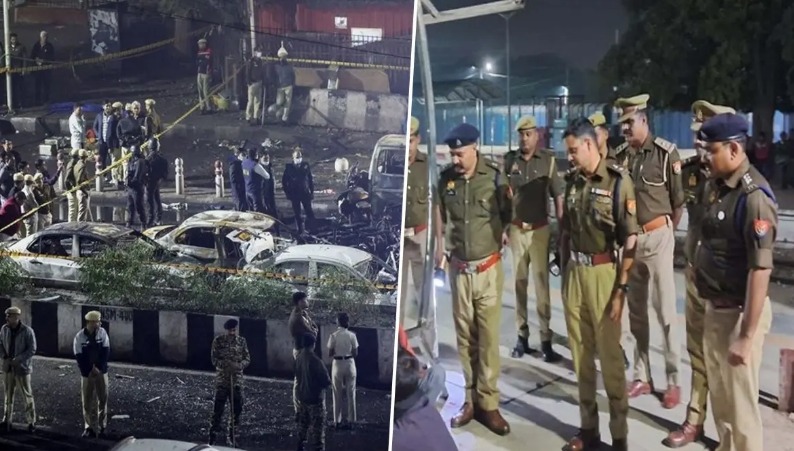
The recent car explosion near Delhi’s Red Fort has not only triggered a multi-agency security probe but has reshaped the daily rhythms of India’s capital city.
Delhi is no stranger to high-alert conditions, yet the latest incident has had visible ripple effects across its metro network, roads, markets, transport routes and public spaces.
Here’s a ground-level look at how the city is adjusting, coping and recalibrating everyday life in the shadow of heightened security.
Delhi Metro: A New Layer of Vigilance
The Delhi Metro, already central to the city’s commuting system, has now become one of the most scrutinized spaces.
1. Intensified Baggage Screening
CISF personnel have increased the frequency and depth of checks. During morning rush hours, bags are being scanned more thoroughly, causing minor delays at busy stations like:
Kashmere Gate
Chandni Chowk
Central Secretariat
Rajiv Chowk
2. More Uniformed Presence
Commuters report seeing more patrolling squads, sniffer dogs and random platform checks.
Announcements reminding passengers to report unattended bags have become more frequent.
3. Occasional Station Slowdowns
Some stations near the heritage zone witnessed slow entry and exit gates as security tightened temporarily.
While commuters understand the need, many worry about peak-hour bottlenecks if high alert status continues.
City Roads: Barricades, Checks and Slow Traffic
The blast’s proximity to historic and political districts has led to statewide pickets and selective lane closures.
1. More Checkpoints
PCR vans and barricades have sprung up near:
Daryaganj
Red Fort precinct
Civil Lines
ITO stretch
Motorists are being stopped for ID checks more often, especially during late evening hours.
2. Slower Movement Near High-Security Zones
Even short-distance travel around the Walled City has become time-consuming as police maintain “stop-and-check” cycles.
3. Diversions During Sensitive Hours
On some days, heavy vehicles have been rerouted from Old Delhi, impacting wholesale markets and night-time logistics.
Public Spaces: Markets, Monuments and Malls Feel the Pressure
1. Markets Operating Under Supervision
Areas like Chandni Chowk, Lajpat Nagar and Sarojini Nagar are witnessing:
More plainclothes officers
Bag and vehicle random checks
Early closures in some narrow-lane clusters
Shopkeepers say footfall has dipped slightly on weekdays due to fear and inconvenience.
2. Monuments See Heightened Screening
Red Fort, Jama Masjid and other tourist-heavy spots now have multi-tiered access screening.
Tour groups are being advised to arrive earlier due to longer verification lines.
3. Malls Increase Private Security
Metal detectors, sniffer dogs and vehicle scans have been scaled up.
Some malls are restricting rear parking-entry gates.
Public Sentiment: Alert but Resilient
In conversations across the city, three themes stand out:
1. Caution
People are more aware of surroundings, with many reporting suspicious items or unattended bags out of caution.
2. Concern for Commute
Office-goers express worry about delays at metro stations and checkpoints becoming “normal”.
3. Acceptance of Inconvenience
Many Delhiites say they are used to security escalations and view current measures as necessary.
Yet, there is a subtle undercurrent of fatigue — a feeling that such security cycles have become routine without long-term improvement.
How Are Authorities Responding?
Agencies have issued internal advisories focused on:
Strengthening CCTV coverage across markets
Increasing night patrols along major corridors
Monitoring cyber chatter for follow-up threats
Deploying additional staff at metro stations and public hubs
Coordinating with RWAs and market associations
Senior officials have indicated that the heightened alert will remain until the investigation identifies the full scope of the blast and its network.
What This Means for Delhi in the Short Term
1. Slower Traffic & Commute Times
Checkpoints will likely continue for days or weeks.
2. More Police Visibility
Expect to see more patrols, especially near tourist spots and the Walled City.
3. Continued Market Screenings
Markets might implement early closing times depending on crowd flow.
4. Increased Public Cooperation Needed
Authorities are asking citizens to cooperate during checks to avoid delays and crowd build-up.
Conclusion
The blast near Red Fort has triggered a wave of visible, everyday adjustments across Delhi.
From metro queues to road checks and tighter screenings at markets, the ripple effects reflect a city temporarily slowed but structurally resilient.
While Delhiites adapt quickly, the incident underscores the need for stronger predictive security measures, smarter surveillance systems, and long-term urban safety planning — so that the city doesn’t have to swing back into crisis mode after every incident.
FAQs
Q1. Why is Delhi Metro security so strict right now?
A: Due to the recent blast, agencies have increased scanning, patrols and random checks to prevent similar threats.
Q2. Which areas are seeing the heaviest police presence?
A: Red Fort precinct, Daryaganj, Chandni Chowk, Civil Lines and central Delhi corridors.
Q3. Are market timings affected?
A: Not officially, but some crowded markets are informally closing early due to security checks.
Q4. How long will this heightened alert last?
A: Likely until investigators complete the blast probe and assess potential linked threats.
Q5. What should commuters expect in the coming days?
A: Longer security queues at metro stations, slow-moving traffic near sensitive zones and more identity checks.
Published on : 13th November
Published by : SMITA
www.vizzve.com || www.vizzveservices.com
Follow us on social media: Facebook || Linkedin || Instagram
🛡 Powered by Vizzve Financial
RBI-Registered Loan Partner | 10 Lakh+ Customers | ₹600 Cr+ Disbursed