

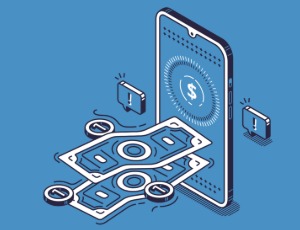
Once known for their intimidating phone calls and doorstep visits, loan recovery agents in India are undergoing a quiet transformation.
As the lending ecosystem becomes more regulated and borrower-focused, recovery strategies are moving from pressure to persuasion — powered by digital technology, AI, and empathy.
Banks and fintech lenders are realizing that sustainable repayment comes not from fear, but from understanding.
1. RBI’s Push for Ethical Collections
The Reserve Bank of India (RBI) has laid down stricter guidelines on how recovery agents can interact with borrowers.
Following reports of harassment, the regulator now emphasizes ethical, time-bound, and non-intrusive communication.
Lenders are adopting digital-first methods — automated reminders, payment dashboards, and AI-based risk tracking — to maintain compliance while improving recovery efficiency.
2. Digital Tools Replace Doorstep Pressure
Recovery is no longer about loud knocks or aggressive calls.
With digital transformation sweeping across financial services, lenders now use:
Automated WhatsApp or SMS nudges
App-based repayment reminders
AI chatbots for negotiation and support
Video KYC-based settlement options
These innovations allow borrowers to repay discreetly and conveniently, avoiding embarrassment or confrontation.
3. Behavioral Data and Predictive Recovery
Fintech lenders today analyze spending and repayment patterns to predict when a borrower might struggle.
AI models flag early warning signs, helping lenders reach out before default happens.
By using soft reminders or flexible repayment plans, fintechs aim to convert defaulters into loyal customers rather than lost causes.
4. The Rise of “Digital Empathy”
Recovery teams are now trained in emotional intelligence and empathy.
Instead of shaming defaulters, agents are coached to understand context — job loss, medical emergencies, or delayed salaries.
Combining this human touch with digital outreach builds trust and improves repayment ratios.
“The goal isn’t to chase borrowers — it’s to help them recover financially too,” says a senior recovery manager at a fintech firm.
5. Why This Shift Matters
The new approach benefits both lenders and borrowers:
For borrowers: Less stress, more privacy, and customized repayment options.
For lenders: Higher recovery rates, reduced litigation, and better customer retention.
Digital recovery also ensures audit trails and accountability, which protect both sides under RBI’s ethical guidelines.
Conclusion
India’s loan recovery process is evolving from fear-driven to tech-driven.
In a country where millions rely on personal and digital loans, respectful recovery isn’t just good ethics — it’s good business.
By blending AI, data, and empathy, lenders are proving that even debt collection can go digital, humane, and future-ready.
FAQs
Q1. Why are recovery agents going digital?
To comply with RBI norms, improve borrower experience, and use AI for efficient, non-intrusive recoveries.
Q2. Are digital recovery methods safer?
Yes. They ensure privacy, maintain documentation, and prevent harassment.
Q3. How do fintechs use technology for recovery?
Through automated reminders, AI risk tracking, and chat-based repayment support.
Q4. What does “soft recovery” mean?
It refers to ethical, understanding-based communication rather than pressure or intimidation.
Q5. Can borrowers negotiate repayments digitally?
Yes. Many lenders now allow repayment restructuring or settlements via secure digital platforms.
Published on : 4th November
Published by : SMITA
www.vizzve.com || www.vizzveservices.com
Follow us on social media: Facebook || Linkedin || Instagram
🛡 Powered by Vizzve Financial
RBI-Registered Loan Partner | 10 Lakh+ Customers | ₹600 Cr+ Disbursed