

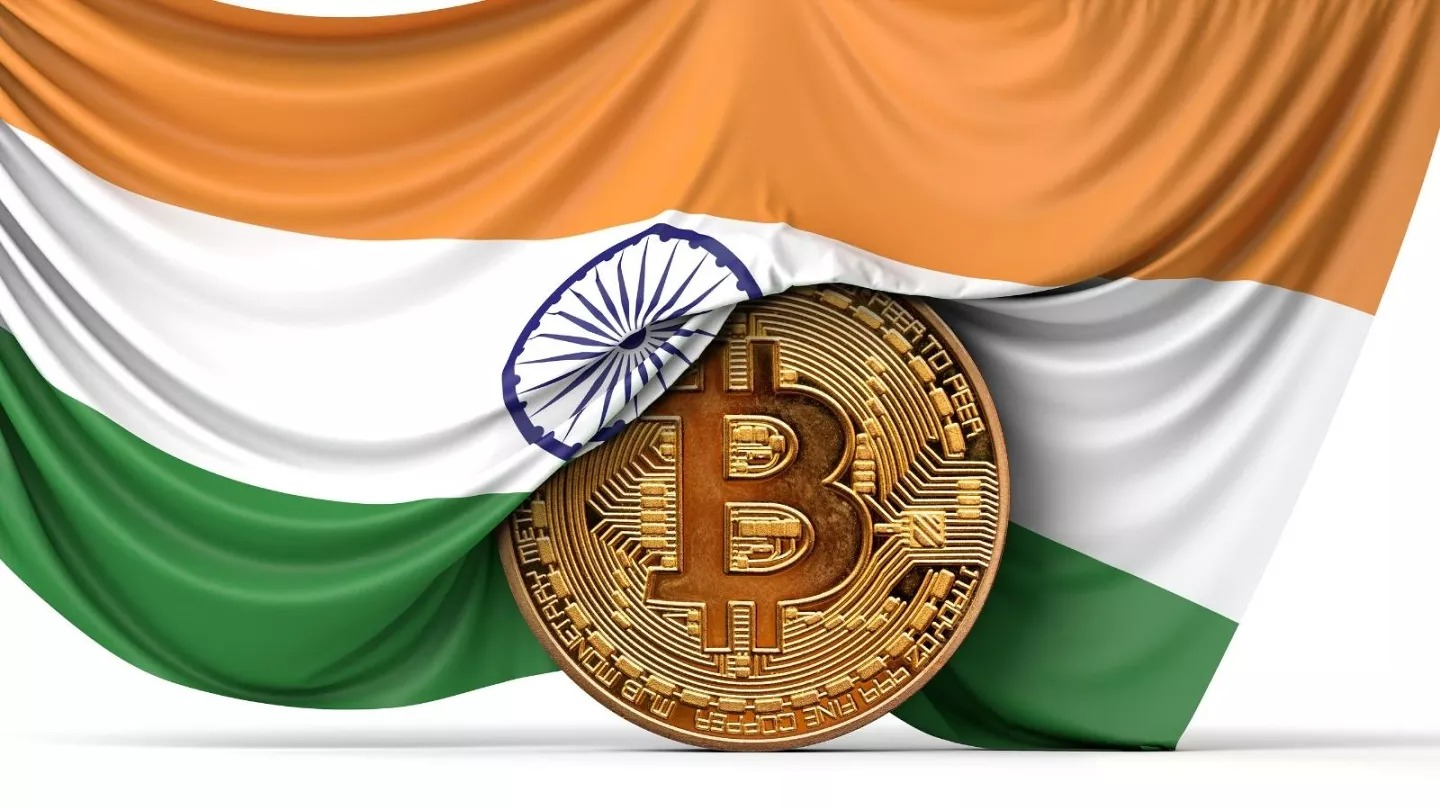
For centuries, Indians have borrowed against gold, land, or fixed deposits. But with the rise of digital assets like Bitcoin and Ethereum, a new concept has emerged globally — crypto loans.
In markets like the U.S. and Europe, people are already borrowing money by pledging cryptocurrencies as collateral. But the big question for Indian borrowers is: Will crypto loans ever enter India?
What Are Crypto Loans?
Crypto loans allow you to borrow traditional money or stablecoins by using cryptocurrencies as collateral.
Example: Deposit Bitcoin into a platform, borrow USD or stablecoins against it.
Advantage: You don’t need to sell your crypto to access liquidity.
Risk: If crypto prices fall, you may face liquidation.
Globally, crypto lending platforms like Aave, BlockFi, and Nexo are popular, though regulation is still evolving.
India’s Current Stance on Crypto
India has had a complicated relationship with cryptocurrencies:
2018: RBI bans banks from dealing with crypto exchanges.
2020: Supreme Court overturns the ban.
2022: India imposes a 30% tax on crypto gains and 1% TDS on transactions.
2025: Crypto is not banned, but not legally recognized as currency or collateral.
This regulatory uncertainty makes crypto loans impossible for now in India’s formal banking system.
Could Crypto Loans Work in India?
Potential Benefits
Alternative Collateral: Beyond gold and property.
Financial Inclusion: Young, digital-first investors gain liquidity.
Innovation in Banking: Could attract global fintech players.
Major Challenges
Regulatory Risk: No legal recognition of crypto as an asset.
Volatility: Price swings make collateral risky for lenders.
Trust & Security: Hacks and scams remain a concern.
Taxation: High taxes may discourage adoption.
Global Lessons for India
Countries experimenting with crypto lending show that:
Clear regulations are essential.
Stablecoins (crypto tied to fiat) may be safer for loans.
DeFi lending could reduce costs but needs strict oversight.
If India introduces a CBDC (Digital Rupee) and gradually recognizes digital assets, crypto-backed loans could find a way into the system.
The Road Ahead: A Hybrid Model?
Instead of full-scale crypto loans, India might see:
Tokenized Gold Loans (gold-backed digital assets as collateral).
Stablecoin Lending through regulated fintechs.
Banks partnering with crypto exchanges once legal clarity emerges.
This hybrid path would let India explore innovation without destabilizing financial markets.
Conclusion: Not “If,” But “When”
Crypto loans may not be part of India’s financial ecosystem today, but with rising digital adoption, regulatory reforms, and growing investor interest, they may enter gradually within the next decade.
For borrowers, the lesson is clear: watch the space, but don’t rush in blindly. The future of borrowing could very well include crypto — once India finds the right balance between innovation and regulation.
FAQ
Q1. What is a crypto loan?
A crypto loan lets you borrow traditional money or stablecoins by using cryptocurrency as collateral.
Q2. Are crypto loans legal in India?
Currently, no. Indian banks do not recognize crypto as collateral due to regulatory uncertainty.
Q3. Why are crypto loans risky?
Because crypto prices are volatile. If the value of collateral drops, borrowers risk liquidation.
Q4. Can crypto loans help Indian borrowers?
Potentially yes — they could provide liquidity for digital investors — but only if regulations and safeguards are in place.
Q5. When could crypto loans come to India?
Not immediately. Likely only after India regulates digital assets and clarifies their legal status.
Published on : 30th August
Published by : SMITA
www.vizzve.com || www.vizzveservices.com
Follow us on social media: Facebook || Linkedin || Instagram
🛡 Powered by Vizzve Financial
RBI-Registered Loan Partner | 10 Lakh+ Customers | ₹600 Cr+ Disbursed
https://play.google.com/store/apps/details?id=com.vizzve_micro_seva&pcampaignid=web_share