

Introduction
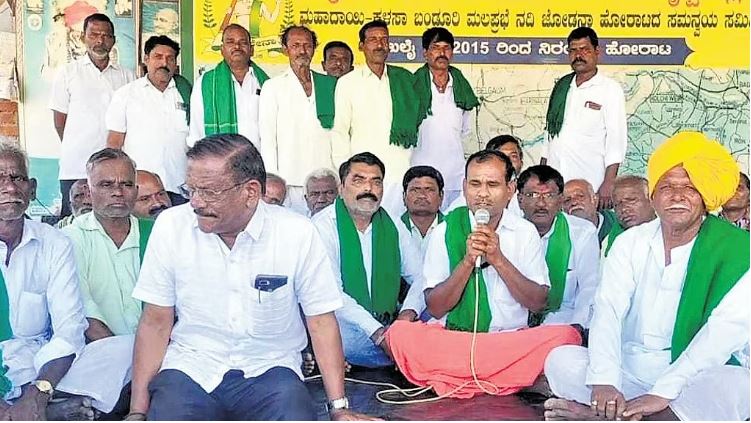
On December 1, 2025, more than 1,500 farmers from Gadag, Dharwad, and surrounding districts will converge for a powerful “Delhi Chalo” march — marking over ten years of their persistent struggle in the Mahadayi river water dispute. What began as a small protest in July 2015 has transformed into a long-standing movement, with farmers demanding the implementation of the Kalasa-Banduri Nala project to divert Mahadayi water to drought-prone regions in North Karnataka.
Historical Background: The Mahadayi Dispute
The Kalasa-Banduri Nala project aims to divert approximately 7.56 TMC ft of water from the Mahadayi river to the Malaprabha basin, to serve districts like Gadag, Belagavi, Dharwad, and Bagalkot.
This dispute dates back decades. In 1989, Karnataka and Goa signed an MOU, but legal and environmental objections from Goa stalled progress.
The farmers’ protest in Gadag, especially in Naragund and Hubballi areas, has persisted since July 16, 2015, spanning more than 3,800 days of agitation.
The farmers, led by Karnataka Raita Sena (KRS) leader Veeresh Sobaradmath, accuse political parties of breaking promises. Despite delegations meeting successive Chief Ministers, they say tangible action has been missing.
Why the “Delhi Chalo” Campaign Matters
The campaign is more than a march: it's a strategic escalation. Farmers plan to protest in front of Aranya Bhavan in Delhi and demand a “green signal” — essentially a clear commitment from the Central Government.
By taking their demands directly to the national capital, farmers aim to increase pressure on both state and central governments to deliver on water rights, rather than merely offer verbal assurances.
Key Demands & Challenges
Implementation of the Kalasa-Banduri Project
Farmers want the State and Centre to move beyond politics and deliver on the water diversion project that can transform the region’s water security.
Political Accountability
The protestors blame successive governments (across parties) for using the Mahadayi issue as an electoral promise.
Environmental Concerns
While the diversion aims to serve drought-prone areas, environmentalists have raised alarm over ecological damage, especially in the Western Ghats.
Legal and Bureaucratic Delays
Despite tribunal verdicts, government approvals, and public outcry, bureaucratic inertia and inter-state tussles continue to block real progress.
Why This Story Is Gaining Traction
Milestone anniversary: Crossing a decade is a significant point — it reignites media coverage, public empathy, and political urgency.
National capital mobilization: A Delhi march elevates the local issue to the national stage, increasing the likelihood of central government action.
Environmental sensitivity: With rising climate stress and water scarcity, river-sharing disputes like Mahadayi are becoming more prominent.
Growing media and social attention: Local news outlets, regional organizations, and even national platforms are covering the story, helping it trend.
These factors make the “Delhi Chalo” campaign not just a regional protest, but a potential flashpoint for national policy discussions, and that can help the blog gain SEO traction by tapping into broader debates (water justice, inter-state disputes, farmers’ rights).
(FAQ)
Q1: What is the Mahadayi river dispute?
A1: The Mahadayi dispute centers around Karnataka’s plan to divert water from the Mahadayi river via the Kalasa-Banduri Nala project to supply drought-prone areas in North Karnataka. Goa has opposed parts of the project citing environmental concerns.
Q2: When did the farmer protests begin?
A2: The current phase began on 16 July 2015, led by farmers from Gadag and Dharwad under the Karnataka Raita Sena.
Q3: Why are farmers planning a “Delhi Chalo” march?
A3: After a decade of unmet promises, they intend to take their protest to Delhi to amplify pressure on the Central Government and demand real commitment and action on water diversion.
Q4: How will the Kalasa-Banduri Project benefit farmers?
A4: By diverting Mahadayi water, the project can deliver 7.56 TMC ft to the Malaprabha basin, improving water availability for drinking and irrigation in Gadag, Belagavi, Dharwad, and Bagalkot districts.
Q5: What are the obstacles to the project?
A5: Challenges include legal disputes with Goa, environmental objections, bureaucratic delays, and lack of political will despite repeated assurances.
source credit : Raghottam Koppar
Published on : 23th November
Published by : RAHAMATH
www.vizzve.com || www.vizzveservices.com
Follow us on social media: Facebook || Linkedin || Instagram
🛡 Powered by Vizzve Financial
RBI-Registered Loan Partner | 10 Lakh+ Customers | ₹600 Cr+ Disbursed