

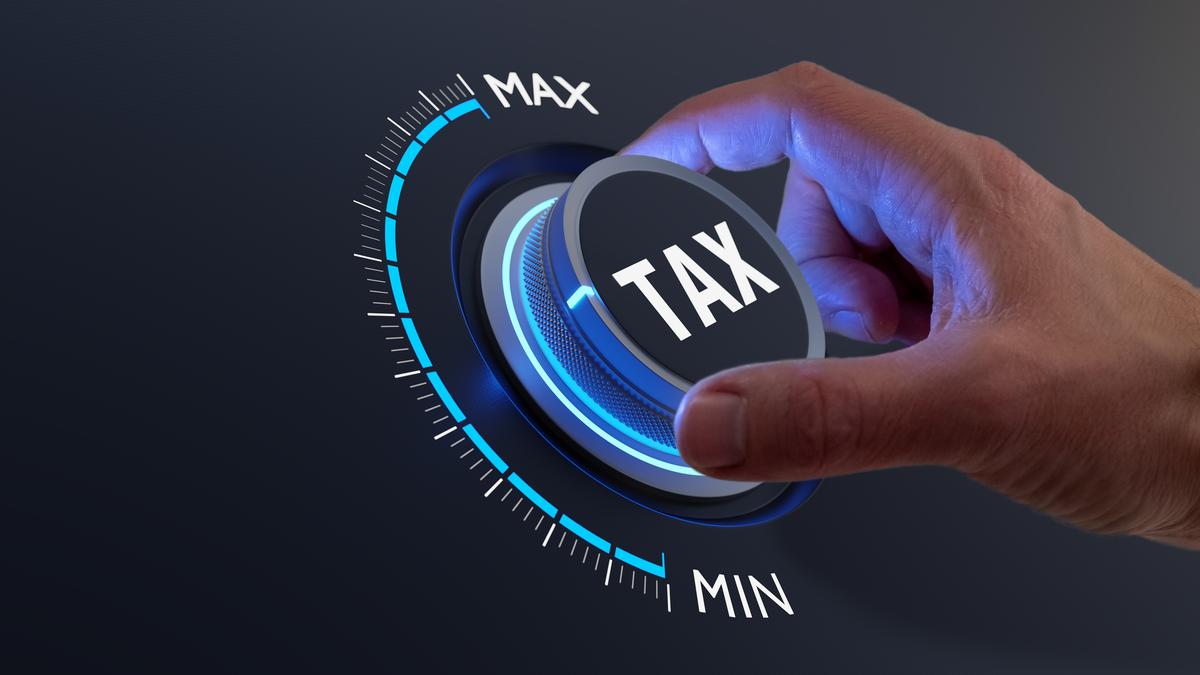
Generating Tax Efficiency in Debt-Oriented Funds
Debt-oriented mutual funds can offer predictable returns and lower volatility compared to equity funds. However, to maximize post-tax returns, investors must understand and apply tax efficiency strategies. Here’s how to reduce tax burden while investing in debt-oriented schemes.
What Are Debt-Oriented Funds?
Debt-oriented mutual funds invest primarily in fixed-income instruments like bonds, treasury bills, and commercial papers. These funds are suitable for conservative investors seeking regular income and capital preservation.
How Debt Funds Are Taxed
Short-Term Capital Gains (STCG): If held for less than 3 years, gains are taxed as per your income tax slab.
Long-Term Capital Gains (LTCG): If held for 3 years or more, gains are taxed at 20% with indexation benefit.
Strategies to Generate Tax Efficiency in Debt Funds
1. Use Indexation to Your Advantage
One of the best ways to reduce tax on LTCG is through indexation, which adjusts the purchase price for inflation, reducing taxable gains.
Example:
If you invest ₹1 lakh and sell it after 3 years for ₹1.3 lakh, indexation may raise your cost base to ₹1.15 lakh, reducing taxable gain to ₹15,000 instead of ₹30,000.
2. Choose the Right Holding Period
Always aim to hold debt funds for 3 years or more to benefit from LTCG and indexation. Selling earlier can result in a much higher tax rate.
3. Select Low Turnover Funds
Debt funds with high portfolio churn may trigger more taxable events. Opt for low turnover funds that follow a buy-and-hold strategy.
4. Consider Tax-Loss Harvesting
Offset short-term gains from debt funds with capital losses from other investments to reduce overall tax liability.
5. Opt for Growth Over Dividend Plans
After recent tax changes, dividends are taxed at your slab rate, making growth options more tax-efficient for most investors.
Best Time to Invest for Tax Benefits
Investing just before the financial year-end (March) or early in a financial year (April) and holding for 3+ years across 3 indexation cycles can maximize tax savings.
Who Should Invest in Debt Funds for Tax Efficiency?
High-income individuals looking for fixed returns with lower taxes
Retirees wanting predictable income but with minimal tax outflow
Corporate treasuries seeking liquidity and capital safety
FAQ – Tax Efficiency in Debt Funds
Q1: What is the minimum holding period to get indexation benefit in debt funds?
You must hold the debt fund for at least 3 years to be eligible for indexation on long-term capital gains.
Q2: Are dividends from debt mutual funds tax-free?
No. After April 2020, dividends are added to your income and taxed as per your slab rate, making them less tax-efficient than growth options.
Q3: Which is better for tax efficiency: FDs or debt funds?
Debt funds with indexation are generally more tax-efficient than fixed deposits, especially for investors in higher tax brackets.
Q4: Can I switch from one debt fund to another without tax impact?
No. Switching between funds is treated as a redemption, and capital gains tax applies.
Q5: What is indexation?
Indexation adjusts the purchase cost of an asset based on inflation (CII – Cost Inflation Index), reducing the taxable portion of capital gains.
Published on: June 30, 2025
Uploaded by: PAVAN
www.vizzve.com || www.vizzveservices.com
Follow us on social media: Facebook || Linkedin || Instagram
🛡 Powered by Vizzve Financial
RBI-Registered Loan Partner | 10 Lakh+ Customers | ₹600 Cr+ Disbursed