

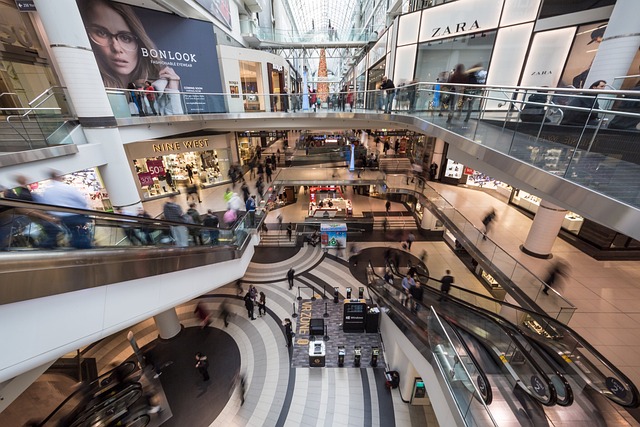
Bengaluru, India’s tech and innovation hub, is facing a peculiar urban phenomenon: the rise of “ghost” malls. These are shopping complexes with minimal footfall, many of which have been abandoned shortly after construction.
While the city thrives as a startup and IT center, urban planners are now grappling with unused commercial spaces, traffic congestion, and resource inefficiency. These ghost malls highlight the urgent need for sustainable urban planning.
Why Are Bengaluru’s Malls Becoming Ghost Towns?
Over-Supply of Retail Space:
Bengaluru saw rapid mall construction in the last decade, outpacing actual demand.
Shift to E-Commerce:
Online shopping platforms like Amazon and Flipkart have reduced footfall in physical retail spaces.
High Maintenance Costs:
Many malls struggle with high operational costs, forcing closures.
Location & Accessibility Issues:
Poor connectivity or inconvenient locations make malls less attractive to shoppers.
Impacts of Ghost Malls on Urban Life
Wasted Infrastructure and Resources:
Abandoned malls tie up land, electricity, water, and other utilities that could be used more productively.
Urban Decay and Safety Risks:
Empty complexes can become hubs for illegal activities or urban blight, affecting nearby communities.
Economic Implications:
Job losses for retail staff, security personnel, and maintenance workers, contributing to local economic slowdown.
How Bengaluru Can Move Towards a Sustainable Urban Future
Adaptive Reuse of Commercial Spaces:
Transform empty malls into community centers, co-working spaces, educational hubs, or healthcare facilities.
Integrated Urban Planning:
Use data-driven planning to align new construction with actual demand and avoid oversupply.
Promote Mixed-Use Developments:
Combine residential, commercial, and recreational spaces to reduce dependency on malls and increase footfall.
Encourage Green and Smart Cities Initiatives:
Invest in energy-efficient buildings, green roofs, and public transportation links to make malls more sustainable.
Public-Private Collaboration:
City authorities, developers, and communities should work together to repurpose idle spaces efficiently.
Lessons for Other Cities
Bengaluru’s ghost malls serve as a wake-up call for rapidly urbanizing cities:
Urban growth must be planned with foresight, balancing supply and demand.
Sustainable infrastructure planning should prioritize adaptive reuse and multifunctionality.
Cities should leverage technology, data, and community input to ensure long-term livability.
FAQ
Q1: What is a “ghost mall”?
A ghost mall is a shopping complex with low or no footfall, often abandoned shortly after construction.
Q2: Why are malls in Bengaluru becoming empty?
Factors include oversupply, high maintenance costs, poor location, and the rise of e-commerce.
Q3: How can these empty malls be repurposed?
They can be converted into co-working spaces, community centers, educational institutions, or healthcare hubs.
Q4: What is the broader impact on the city?
Ghost malls lead to wasted resources, job losses, urban decay, and economic inefficiency.
Q5: How can urban planners prevent future ghost malls?
Through data-driven planning, mixed-use developments, public-private collaboration, and sustainable design practices.
Conclusion
Bengaluru’s ghost malls highlight the need for sustainable urban planning that balances rapid growth with livability. By repurposing underutilized spaces, embracing mixed-use developments, and integrating smart city principles, the city can turn urban challenges into opportunities for a more resilient and sustainable future.
Published on : 10th September
Published by : SMITA
www.vizzve.com || www.vizzveservices.com
Follow us on social media: Facebook || Linkedin || Instagram
🛡 Powered by Vizzve Financial
RBI-Registered Loan Partner | 10 Lakh+ Customers | ₹600 Cr+ Disbursed
https://play.google.com/store/apps/details?id=com.vizzve_micro_seva&pcampaignid=web_share