

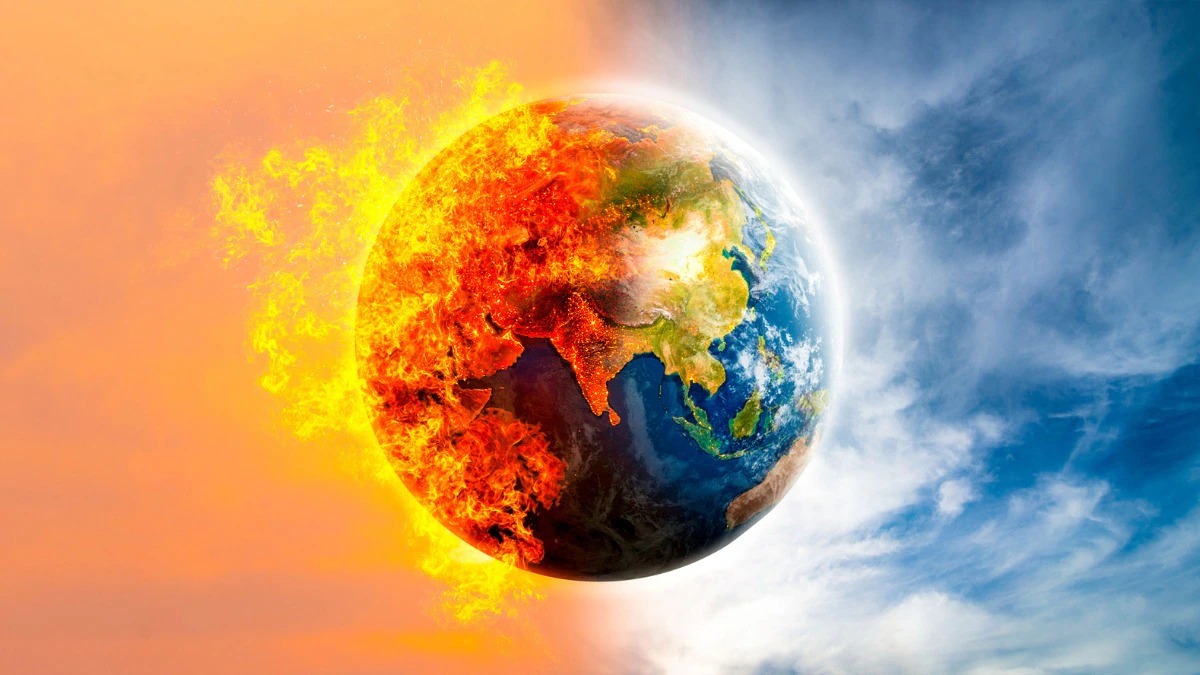
The planet is heating up — and fast. According to climate scientists, global temperatures between July and September 2025 are likely to be above average, raising alarms about heatwaves, droughts, and extreme weather events.
This warning comes amid rising global concerns over climate change, melting glaciers, and record-breaking heat already experienced in many parts of the world earlier this year.
🌍 What’s Causing the Temperature Spike?
Several climate patterns are contributing to this rise:
🌊 El Niño effects still lingering in ocean temperatures
🌱 Deforestation and urbanization reducing natural cooling
🏭 Greenhouse gas emissions continuing to trap more heat in the atmosphere
🏙️ Heat islands in urban centers worsening local temperatures
The result: a higher chance of extreme summer conditions globally — including in India, Southeast Asia, North America, and parts of Europe.
🔥 What to Expect This Season
More heatwaves across cities and rural areas
Increased health risks like heatstroke, especially for elderly and children
Reduced crop yields due to heat stress
Higher electricity usage from air conditioning and cooling appliances
Greater wildfire risk in vulnerable zones
“We are entering an era where each year becomes warmer than the last,” a leading climatologist stated. “Governments must act faster.”
🧊 What You Can Do
As individuals, we can take simple but impactful steps:
Stay hydrated and avoid peak sunlight hours
Use energy-efficient appliances
Reduce vehicle use; prefer public transport or cycling
Plant trees and support green cover in your community
Advocate for climate action at local and national levels
📌 Conclusion
The forecasted rise in temperatures from July to September 2025 is another clear sign that climate change is no longer a future problem — it’s a now problem. As the planet warms, collective action from governments, industries, and individuals is more urgent than ever.
Let’s stay safe, stay informed, and stay climate-conscious.
❓ FAQs
Q1: Why is July–September 2025 expected to be hotter?
Due to factors like El Niño, climate change, urban heat, and rising greenhouse gas levels, global temperatures are projected to rise during this period.
Q2: Will India be affected by the heat?
Yes, especially northern and central regions may face higher-than-normal temperatures, heatwaves, and dry spells.
Q3: What precautions can be taken during this heat period?
Stay indoors during peak hours, stay hydrated, avoid physical exertion in the sun, and use fans or coolers efficiently.
Q4: How can we help fight climate change?
By reducing emissions, planting trees, conserving energy, and demanding stronger climate policies.
Published on : 1st August
Published by : SMITA
www.vizzve.com || www.vizzveservices.com
Follow us on social media: Facebook || Linkedin || Instagram
🛡 Powered by Vizzve Financial
RBI-Registered Loan Partner | 10 Lakh+ Customers | ₹600 Cr+ Disbursed