

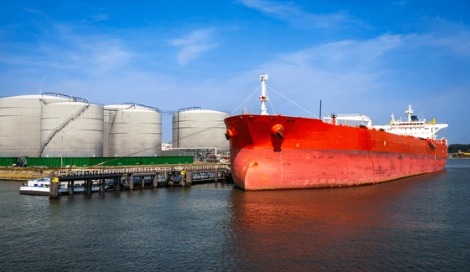
Global oil markets experienced a noticeable price dip following updates that Russia’s Novorossiysk port, a major Black Sea export hub, has resumed normal operations. The development eased earlier worries of supply disruption that had momentarily triggered bullish speculation among traders and energy analysts.
The Novorossiysk port serves as one of Russia’s most strategic maritime gateways for the export of crude oil and refined petroleum products. Situated along one of the busiest marine trade corridors connecting Europe and Asia, it plays a vital role in maintaining the steady flow of Russian oil to international buyers. Any delay, outage, or closure involving this port immediately sends shockwaves across the global commodity market due to its scale and importance.
Earlier, uncertainty surrounding its operational status had sparked concerns that reduced export capacity would tighten global supply, potentially increasing crude oil prices due to constrained availability. However, news indicating that operations have resumed prompted traders to reassess their positions, causing market prices to correct downward as risk premiums eased.
Industry experts believe that while the immediate situation has calmed, the global oil market remains highly sensitive to geopolitical triggers, maritime security risks in conflict zones, changes in export regulations, sanctions, pipeline disturbances, and production decisions by major energy alliances. This means volatility may persist, and price movements could continue to fluctuate sharply depending on new developments.
Refining companies, fuel distributors, and import-dependent nations may temporarily benefit from softer prices, especially at a time when inflation concerns and global freight costs remain elevated. However, analysts caution that long-term price stability requires sustained supply consistency, diplomatic progress, and demand-side predictability, particularly from large energy consumers such as China, India, and European economies.
At the macro level, the recent price correction underscores how supply infrastructure reliability—including ports, pipelines, rigs, terminals, and shipping routes—remains a dominant force driving short-term pricing sentiment. The incident also reinforces the need for energy-importing nations to diversify sourcing sources while investing in renewable projects, long-term storage capacity, and strategic reserves.
In conclusion, while the resumption of operations at the Novorossiysk port has brought temporary relief to the oil market, stakeholders must remain watchful. Market confidence will continue to depend on consistent export flows, clear geopolitical signals, and uninterrupted trade routes.
❓ FREQUENTLY ASKED QUESTIONS (FAQ)
Q1. Why did oil prices fall?
Oil prices dropped after reports indicated that Russia’s Novorossiysk port resumed operations, easing earlier concerns about a possible supply disruption.
Q2. Why is Novorossiysk important for the oil market?
It is among Russia’s major export gateways for crude oil and petroleum products, making it crucial to maintaining smooth global supply chains.
Q3. Is this price fall expected to be long-term?
Not guaranteed — the global energy market remains volatile and responsive to geopolitical and economic shifts.
Q4. Will retail fuel prices drop immediately?
Retail prices do not always react instantly due to taxation, refining cycles, and domestic pricing mechanisms.
Q5. What could influence oil trends next?
Global demand levels, geopolitical stability, production targets by oil-producing nations, currency valuation, and stockpile data.
Published on : 17th November
Published by : SMITA
www.vizzve.com || www.vizzveservices.com
Follow us on social media: Facebook || Linkedin || Instagram
🛡 Powered by Vizzve Financial
RBI-Registered Loan Partner | 10 Lakh+ Customers | ₹600 Cr+ Disbursed
SOURCE CREDIT: News Input: Bloomberg News