

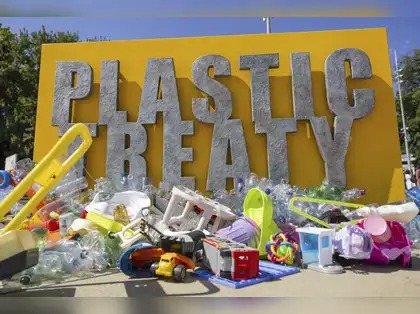
Why the Geneva Session Matters
From August 5 to 14, 2025, delegates from over 170 countries are meeting in Geneva to finalize the world's first legally binding plastics treaty. This follows a stalled attempt in Busan the previous December.
🌱 Major Issues at Stake
Whether the treaty will include binding caps on virgin plastic production, which around 100 countries support, or focus solely on recycling and waste management, backed by oil-rich nations and major producers.
Industry presence is rising: more fossil fuel and chemical lobbyists than national delegations, raising concerns about undue influence.
Differences in the draft treaty text remain extensive: over 370 bracketed clauses highlight unresolved disagreements.
📉 Why Action Is Urgent
Plastic production has surged from ~2 million tonnes in 1950 to over 450 million tonnes in 2022, with less than 10% recycled.
Health and environmental costs are staggering: estimated $1.5 trillion annually in health-related damages globally. Microplastics now contaminate ecosystems, oceans, food chains, and even human bodies.
Experts warn that without aggressive upstream measures—like production caps—the crisis will only worsen, especially for vulnerable communities and island nations.
✅ Key Stakes by Category
| Core Issue | Conflict | Why It Matters |
|---|---|---|
| Production Cap | Binding cuts vs waste-only focus | Without caps, pollution continues upstream |
| Negotiating Rules | Consensus vs voting pathways | Voting may be needed to break deadlocks |
| Treaty Scope | Full lifecycle vs post-consumer management | Broader scope ensures systemic change |
| Industry Influence | Scientific integrity vs petrochemical lobbying | Heavy corporate presence risks compromising ambition |
| Ratification Timeline | Final text by Aug 14, then global signing expected | Delays could shift to COP climate talks |
🧠 India’s Position
India is advocating for consensus‑based decision-making, emphasizing that the treaty should avoid undermining developing countries' sustainable development rights. New Delhi insists the aim should remain focused on combating plastic pollution, not restricting growth or industrial prerogatives.
❓ FAQs
Q1: What is INC‑5.2?
It’s the second installment of the UN’s fifth negotiating round on a global plastics treaty, held in Geneva from August 5–14, 2025.
Q2: Why did previous talks fail?
The last round in Busan collapsed due to disagreements over scope, deadlines, and procedural rules amid strong industry pressure.
Q3: What are the main points of contention?
Binding limits on plastic production, rules of procedure (including consensus vs voting), and whether to impose a full lifecycle approach or focus on waste management.
Q4: Who is resisting production caps?
Major oil and fossil fuel economies—including Saudi Arabia, Russia, China, U.S., and India—favor focusing on downstream recycling.
Q5: What’s at risk if talks fail?
Without an ambitious treaty, plastic pollution will worsen, health and environmental harms will escalate, and incremental cleanup-only solutions will likely fail.
🌟 Final Thought
Geneva represents a pivotal moment—possibly the Paris Agreement of plastics. Negotiators must forge a legally binding instrument that curbs plastic production, protects human health, and serves future generations. The world is watching.
Published on : 5th August
Published by : SMITA
www.vizzve.com || www.vizzveservices.com
Follow us on social media: Facebook || Linkedin || Instagram
🛡 Powered by Vizzve Financial
RBI-Registered Loan Partner | 10 Lakh+ Customers | ₹600 Cr+ Disbursed