

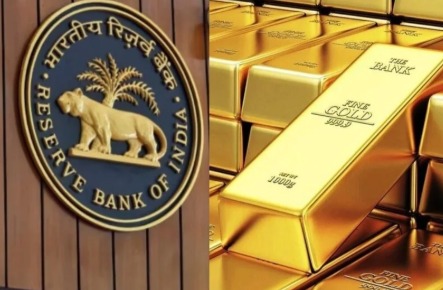
Gold loans have emerged as a popular financing option in India, providing quick liquidity against gold ornaments or jewelry. With rising household gold holdings and increasing demand for short-term credit, gold loans continue to grow as an accessible financial tool.
The RBI and other regulators have recently introduced reforms to streamline gold lending, improve transparency, and protect borrower interests — affecting interest rates, loan-to-value (LTV) ratios, and repayment norms.
Current Gold Loan Rates in India
Gold loan rates vary across banks and NBFCs but generally range from 9% to 18% per annum, depending on:
Loan tenure (short-term vs medium-term)
Loan amount and LTV ratio
Customer profile and credit history
Public sector banks tend to offer slightly lower interest rates (around 9–12%), while private NBFCs and cooperative lenders may charge 12–18%, reflecting higher operational costs.
Regulatory Reforms in Gold Lending
Recent reforms aim to protect borrowers and maintain systemic stability:
Enhanced LTV Limits:
RBI has capped the maximum loan-to-value ratio at 75% of the pledged gold value.
Ensures borrowers do not over-leverage and safeguards lenders against price volatility.
Digital Valuation & Record-Keeping:
Gold valuation is increasingly being digitized to reduce fraud and standardize assessments.
Transparent records help borrowers track pledged gold and loan balances.
Disclosure Norms:
Lenders must clearly communicate interest rates, processing fees, prepayment charges, and other terms.
Promotes informed borrowing and prevents hidden costs.
Consumer Protection Measures:
Accelerated grievance redressal mechanisms and inclusion under Banking Ombudsman scheme (for banks) strengthen accountability.
Impact on Borrowers and the Sector
Borrower Confidence: Transparency and regulated rates increase trust in gold lending.
Responsible Lending: Borrowers are protected from excessive debt exposure.
Sector Growth: Standardization boosts overall credibility, attracting more customers to formal lenders.
Price Risk Mitigation: LTV caps shield lenders from sharp declines in gold prices.
Experts anticipate that these reforms will stabilize gold loan growth and encourage more formal credit penetration in rural and semi-urban India.
FAQ: Gold Loan Rates & Regulatory Reforms
Q1. What is the maximum loan I can get on gold?
A: Up to 75% of the gold’s current market value, as per RBI’s LTV guidelines.
Q2. Are gold loan rates fixed or floating?
A: Typically, gold loan rates are fixed for the tenure of the loan, though some NBFCs may offer floating options linked to policy rates.
Q3. How long can I keep the gold pledged?
A: Loan tenures usually range from 3 months to 36 months, depending on lender policy.
Q4. Can banks and NBFCs differ in terms?
A: Yes, public banks often offer lower rates, while private NBFCs may charge higher interest but provide faster processing.
Q5. How do regulatory reforms help borrowers?
A: They ensure transparent rates, safer lending, better valuation, and protection against over-borrowing.
Conclusion
Gold loans remain a trusted source of quick credit in India, particularly for rural and semi-urban households. Recent regulatory reforms by RBI and other authorities have strengthened borrower protection, standardized lending practices, and encouraged sector growth.
By capping LTV, enforcing disclosure norms, and promoting digital valuation, these measures ensure that gold loans continue to be safe, accessible, and transparent, benefiting both lenders and borrowers.
Published on : 10th October
Published by : SMITA
www.vizzve.com || www.vizzveservices.com
Follow us on social media: Facebook || Linkedin || Instagram
🛡 Powered by Vizzve Financial
RBI-Registered Loan Partner | 10 Lakh+ Customers | ₹600 Cr+ Disbursed
https://play.google.com/store/apps/details?id=com.vizzve_micro_seva&pcampaignid=web_share