

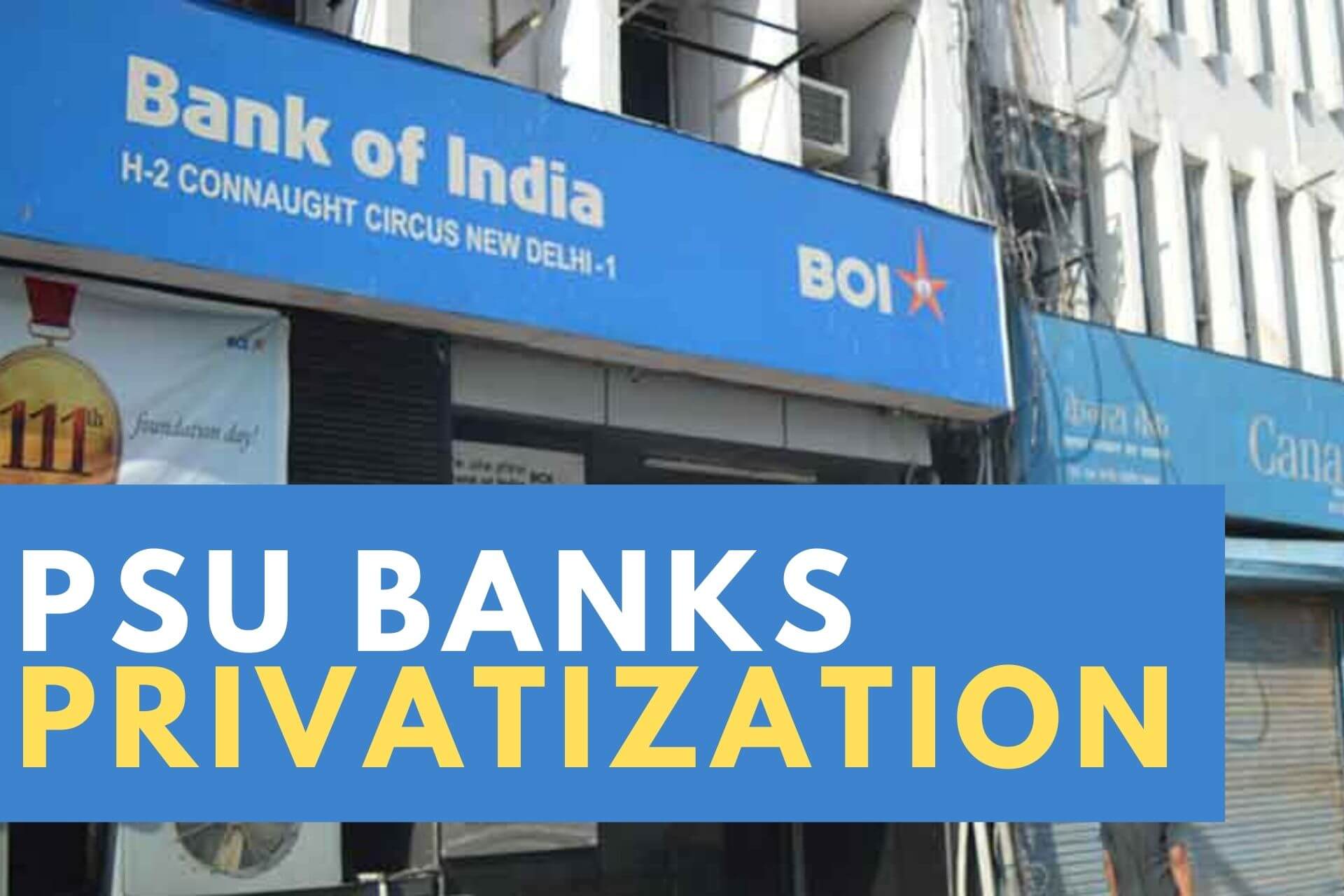
The Indian government is considering privatization of select public sector banks (PSBs) as part of its broader financial reform agenda. This move could reshape the banking landscape, improve efficiency, and attract investment, but it also raises questions about financial inclusion, regulatory oversight, and employee concerns.
Why Privatization is Being Considered
Improving Operational Efficiency: Private ownership often leads to faster decision-making, technology adoption, and customer service improvements.
Reducing Fiscal Burden: The government spends significant resources on capital infusion for struggling PSBs. Privatization can free up funds for other developmental priorities.
Attracting Investment: Private participation can bring strategic investors, global best practices, and better governance.
Enhanced Competition: A more competitive banking sector can improve services, product innovation, and cost efficiency for consumers.
Potential Implications
1. Impact on Customers
Improved services and digital banking adoption may benefit customers.
Concerns remain about maintaining financial inclusion, especially in rural and underserved areas.
2. Impact on Employees
Privatization could lead to restructuring, layoffs, or changes in employment terms.
Strong labor policies and transitional measures will be crucial to manage workforce concerns.
3. Effect on the Banking Sector
Could increase competition among banks, improving efficiency across the sector.
Private PSBs may adopt risk-based lending, better NPA management, and modern technology systems.
4. Fiscal and Policy Considerations
The government may reduce capital expenditure on PSBs, freeing resources for infrastructure and welfare.
Careful regulatory oversight is needed to balance profitability with social obligations.
Opportunities and Challenges
Opportunities:
Modernization of banking infrastructure and digital transformation.
Increased foreign and domestic investment in financial institutions.
Enhanced corporate governance and transparency in banking operations.
Challenges:
Ensuring continued financial inclusion in rural and semi-urban areas.
Maintaining stability and avoiding disruption during the transition.
Addressing public perception and trust issues with privatized banks.
Key Takeaways
Privatization of PSBs could transform India’s banking sector by improving efficiency, governance, and competitiveness.
Balancing profitability with social responsibilities is crucial for sustainable impact.
Stakeholders—including customers, employees, regulators, and investors—must carefully navigate this transition.
FAQs
Q1. What is the government’s plan regarding PSBs?
The government plans to privatize select public sector banks to improve efficiency, reduce fiscal burden, and attract investment.
Q2. How will privatization impact customers?
Customers may see better services, digital adoption, and product offerings, though rural banking accessibility needs careful attention.
Q3. What about bank employees?
Employees may face restructuring, changes in employment terms, or redeployment. Transitional measures are essential to manage workforce concerns.
Q4. Will privatization affect financial inclusion?
Yes, maintaining access for rural and underserved populations is a key challenge that must be addressed through regulations and targeted programs.
Q5. How does privatization benefit the government financially?
Privatization reduces the need for capital infusion into PSBs, freeing resources for infrastructure, welfare, and other public projects.
Published on : 23rd September
Published by : SMITA
www.vizzve.com || www.vizzveservices.com
Follow us on social media: Facebook || Linkedin || Instagram
🛡 Powered by Vizzve Financial
RBI-Registered Loan Partner | 10 Lakh+ Customers | ₹600 Cr+ Disbursed
https://play.google.com/store/apps/details?id=com.vizzve_micro_seva&pcampaignid=web_share