

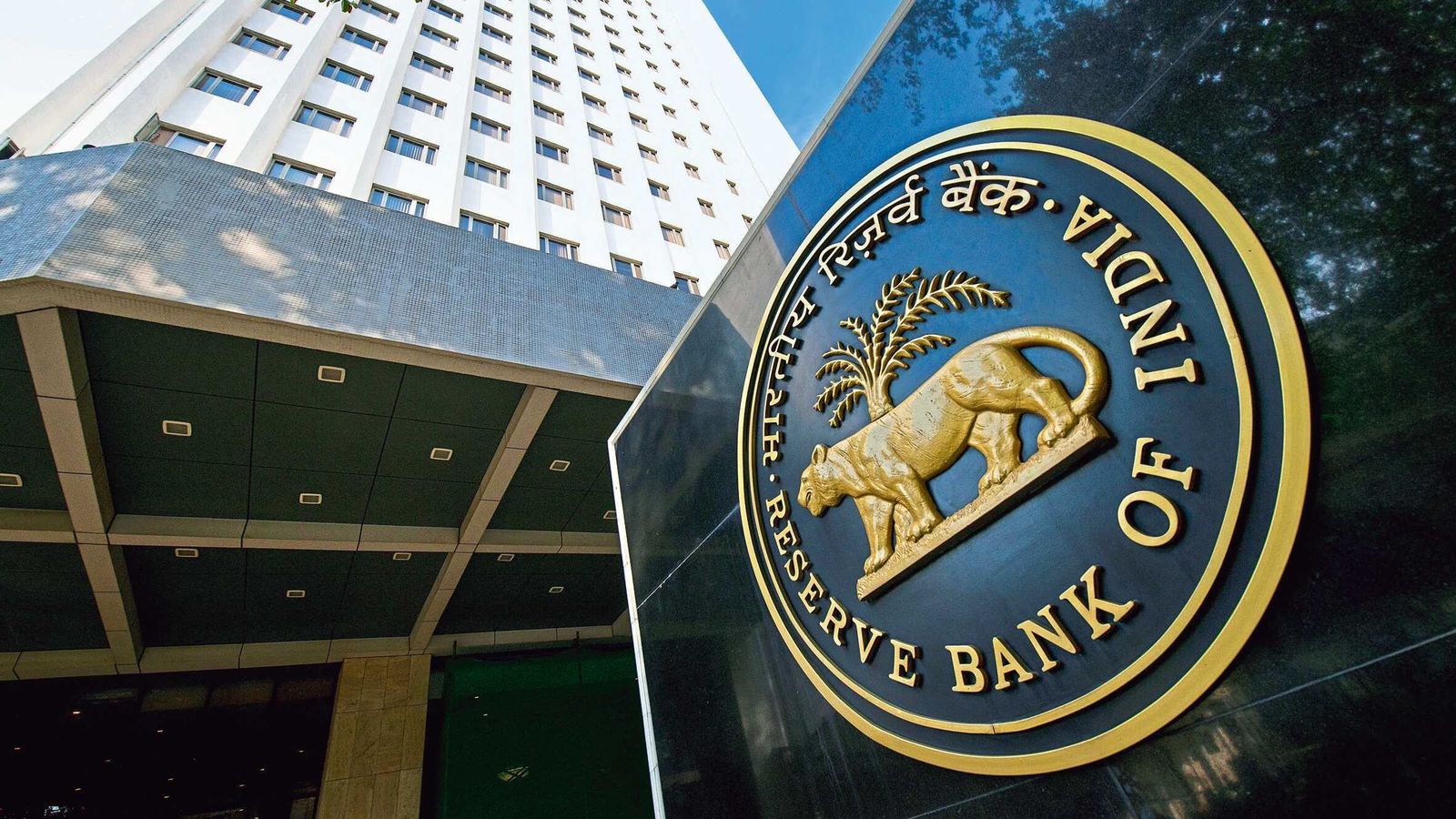
The Government of India and the Reserve Bank of India (RBI) are holding discussions on raising or relaxing the current limits that restrict banks from lending more than ₹10,000 crore to a single corporate borrower. This move, if approved, could significantly alter corporate financing and boost funding for large-scale infrastructure and industrial projects.
Current Rule and Its Rationale
Under existing regulations, Indian banks are restricted from lending beyond a certain exposure cap to a single borrower group. For corporates, this limit has effectively been pegged at around ₹10,000 crore. The rule was designed to mitigate concentration risks and protect the banking sector from systemic shocks arising from defaults by large borrowers.
Why Relax the Limit Now?
Several factors are driving discussions to ease the cap:
Growing Corporate Funding Needs: Large infrastructure, energy, and manufacturing projects require massive capital, often exceeding current lending thresholds.
Economic Growth Push: To achieve India’s FY25 and beyond growth targets, higher corporate investment is necessary.
Alternative Funding Reliance: Corporates have increasingly turned to non-bank channels like bonds and NBFCs, which has reduced the banking sector’s share in corporate financing.
Strengthened Banking System: Indian banks now have stronger balance sheets, higher capital adequacy ratios, and improved asset quality compared to a few years ago.
Potential Benefits of Raising the Cap
Easier access to large-scale project financing
Boost to infrastructure and industrial expansion
Greater role for banks in corporate lending, balancing the current tilt towards non-bank routes
Risks and Concerns
Higher concentration risk if big corporates dominate bank credit
Potential stress on banks in case of defaults
Need for robust risk management and monitoring frameworks
Outlook
If the limit is raised or relaxed, it could mark a significant policy shift, encouraging corporates to rely more on banks while ensuring adequate regulatory safeguards. The final decision will depend on balancing credit growth with systemic risk management.
Conclusion
The ongoing discussions between the government and the RBI reflect India’s evolving financial needs. Adjusting the ₹10,000 crore bank lending cap for corporates could open new opportunities for economic growth while requiring stronger oversight to maintain financial stability.
FAQ Section
Q1. What is the current lending cap for banks to corporates in India?
Banks are currently restricted from lending more than ₹10,000 crore to a single corporate borrower, as part of exposure norms to prevent risk concentration.
Q2. Why are the government and RBI considering relaxing this limit?
To support large infrastructure and industrial projects, meet growing corporate funding needs, and balance the dominance of non-bank financing sources.
Q3. How will this change benefit corporates?
Relaxing the cap would allow corporates to access larger credit lines directly from banks, reducing their reliance on bonds, NBFCs, or foreign borrowings.
Q4. What are the risks of raising the bank lending cap?
It could increase exposure risk if a large corporate defaults, impacting banks’ balance sheets. Strong risk management will be essential.
Q5. When can we expect a decision on this policy change?
Discussions are ongoing between the government and the RBI, with potential announcements likely within FY25 if consensus is reached.
Published on : 17th September
Published by : SMITA
www.vizzve.com || www.vizzveservices.com
Follow us on social media: Facebook || Linkedin || Instagram
🛡 Powered by Vizzve Financial
RBI-Registered Loan Partner | 10 Lakh+ Customers | ₹600 Cr+ Disbursed
https://play.google.com/store/apps/details?id=com.vizzve_micro_seva&pcampaignid=web_share