

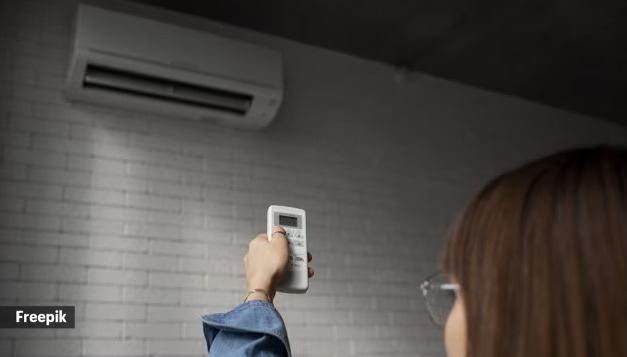
In a significant move aimed at energy conservation and public health, the government has proposed capping air conditioner (AC) temperature settings between 20°C and 28°C. This plan has received widespread approval from health experts, who highlight the benefits of such measures for both individuals and the environment.
Why Cap AC Temperatures Between 20°C and 28°C?
Air conditioners consume a substantial amount of electricity, especially during hot months. Setting temperatures too low not only drives up energy consumption but can also have adverse health effects. The government’s recommendation to maintain AC settings within this range aims to strike a balance between comfort, health, and sustainability.
Health Benefits
Health experts emphasize that extremely low indoor temperatures can lead to respiratory issues, muscle stiffness, and increased susceptibility to colds and infections. Maintaining a moderate AC temperature helps prevent such ailments while ensuring comfortable living and working environments.
Environmental and Economic Impact
By capping AC temperatures, the government seeks to reduce electricity demand, thereby cutting greenhouse gas emissions and easing pressure on power grids. This initiative aligns with broader climate action goals and also offers economic relief to consumers through lower electricity bills.
Implementation and Public Response
Several states and industries have welcomed the move, with some already initiating guidelines to enforce the temperature limits in offices, public buildings, and commercial spaces. However, experts suggest that public awareness and compliance will be key to the success of this plan.
Future Outlook
As climate change intensifies heatwaves, efficient use of cooling technology becomes critical. This AC temperature cap policy represents a practical step towards sustainable cooling, balancing human comfort with environmental responsibility.
FAQ
Q1: Why is the AC temperature cap set between 20°C and 28°C?
This range is considered optimal for energy efficiency and health. Temperatures below 20°C increase energy use and can harm health, while above 28°C might not provide sufficient cooling.
Q2: How does capping AC temperatures help the environment?
Limiting AC use reduces electricity consumption, lowering greenhouse gas emissions from power plants, which helps mitigate climate change.
Q3: Will this policy affect residential and commercial buildings alike?
Yes, the plan targets all sectors, including homes, offices, malls, and public institutions, to ensure widespread energy savings.
Q4: What health risks are associated with very low AC temperatures?
Excessively low temperatures can cause respiratory infections, cold-related illnesses, and muscle stiffness due to sudden temperature changes.
Q5: How can individuals contribute to this initiative?
By setting their ACs within the recommended range and practicing other energy-saving measures, individuals can support environmental goals and reduce their electricity bills.
Publish on june 12,2025 by :selvi
www.vizzve.com || www.vizzveservices.com
Follow us on social media: Facebook || Linkedin || Instagram