

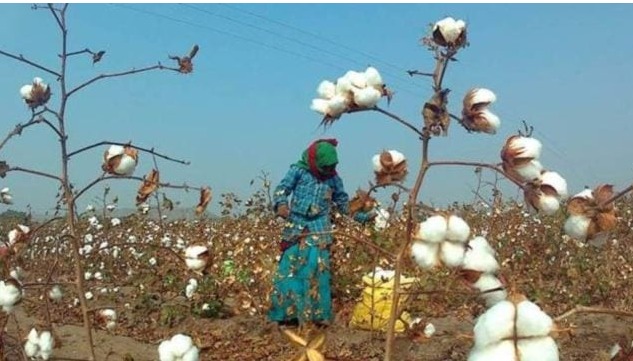
The Indian government has scrapped import duties on cotton till September 30, 2025, a move seen as a strategic response to rising pressure from US tariffs and to support the domestic textile industry.
Why This Decision Matters
India’s textile and garment sector has been facing challenges due to global trade uncertainties, rising raw material costs, and tariff barriers. By removing the import duty temporarily, the government aims to:
Lower the cost of cotton for textile manufacturers.
Support the export competitiveness of Indian garments.
Stabilize the supply chain impacted by international market fluctuations.
Impact on the Textile Industry
Manufacturers & Exporters: Textile producers will gain access to cheaper cotton, reducing input costs and improving profitability.
Farmers: While this decision helps industry players, farmers may face concerns about lower cotton prices in domestic markets.
Trade Balance: India’s ability to negotiate with the US on tariff-related issues may improve as this decision shows policy flexibility.
US Tariffs & Global Pressure
The move comes as the United States continues to impose tariffs on Indian textile exports, making Indian products less competitive in global markets. Scrapping cotton import duties ensures that Indian manufacturers can offset some of the tariff pressure by reducing raw material costs.
Expert View
According to trade analysts, this step is short-term relief but also a signal of India’s adaptive trade policy. If extended beyond September 30, it could reshape sourcing patterns for the textile sector.
Vizzve Finance Insight
Vizzve Finance highlights that the textile sector contributes over 2% to India’s GDP and employs more than 45 million people. Policy changes such as this play a crucial role in boosting industry confidence, foreign trade competitiveness, and investor sentiment.
Frequently Asked Questions (FAQs)
Q1. Why did India scrap duty on cotton imports till September 30?
A1. The decision aims to reduce input costs for textile manufacturers, ease global tariff pressure, and stabilize the domestic textile industry.
Q2. Will this move benefit farmers?
A2. While textile industries gain from cheaper cotton, farmers may face concerns over lower domestic cotton prices.
Q3. How does the US tariff pressure impact India’s textile exports?
A3. US tariffs make Indian products costlier in global markets, affecting export competitiveness. This duty removal helps offset part of that burden.
Q4. Could the duty removal be extended beyond September 30?
A4. Yes, depending on trade negotiations and industry needs, the government may consider an extension.
Q5. What role does the textile sector play in India’s economy?
A5. The textile industry is one of India’s largest employers and contributes significantly to exports and GDP, making policies like this highly impactful.
Published on : 19th August
Published by : Selvi
www.vizzve.com || www.vizzveservices.com
Follow us on social media: Facebook || Linkedin || Instagram
🛡 Powered by Vizzve Financial
RBI-Registered Loan Partner | 10 Lakh+ Customers | ₹600 Cr+ Disbursed